All the evidence shows voters want Labour to shift to the left — but initial signs from Andy Burnham are worrying on that front, cautions DIANE ABBOTT


 Latest editorial
Error message
An error occurred while searching, try again later.Great British Railways must deliver more than warm words
Concrete proposals are needed to bring about full integration of the rail system, with real protections for workers and an end to private operators, argues EDDIE DEMPSEY
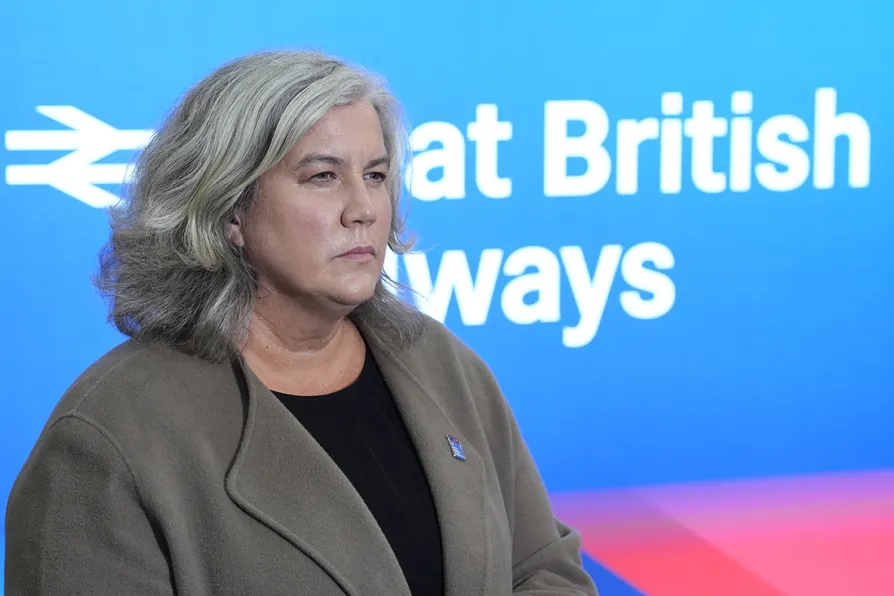 Transport Secretary Heidi Alexander during a visit to London Bridge station to unveil the first glimpse of the Great British Railways brand and train liveries, December 9, 2025
ANDY McDONALD MP says Labour must show it is capable of delivering real improvements in people’s lives — bold action is required
ANGUS REID and ANDREW JOHNSTONE report on an initiative that we must take this summer
ALLISON FEWTRELL on what Plaid Cymru's historic election victory means for the communities being failed by Wales’s housing crisis, and four things the new government can do right now
France Insoumise MP JEROME LEGAVRE speaks to Christophe Domec on building the Europe-wide peace movement that came together in the International Conference Against War last weekend
At last weekend’s International Conference Against War, LINDA PENTZ GUNTER talks to the Palestinian physician and politician about the struggles ahead to achieve a truly free Palestine





RAIL workers in Scotland are dealing with rising levels of abuse, fewer staff on the ground and a strained and fragmented system.
As the Scottish Trades Union Congress meets, our union, RMT, is backing a motion that supports the move towards Great British Railways and recognises Scotland retaining a strong role over its own network.
The railway should be fully integrated and publicly run, without loopholes that allow private operators to continue profiting from the system, it says.
The creation of Great British Railways (GBR) represents a long-overdue shift away from the profit-driven model that has failed passengers and workers over the last 30 years.
In Scotland, the retention of devolved rail powers and a statutory role for the Scottish government within GBR are vital safeguards.
The commitment to further integration between track and train is also a necessary step if we are serious about building a railway that works in the public interest.
But warm words and structural reform will count for little if they are not matched by concrete proposals that look after those who make the railways run every day.
That is why this motion is right to insist that jobs, pay and conditions must be central to the development of GBR and Scotland’s railways. Public ownership must mean more than a change of logo at the top. It must deliver tangible improvements for workers on the ground and an improvement in the experiences of passengers.
At the moment, there does remain a real risk that private interests will continue to operate within the system through so-called open access operators such as Lumo.
These entities undermine the principle of a unified, publicly accountable railway. If GBR is to succeed, it cannot be a halfway house. All services and the workers who deliver them should be brought into a single, integrated public system with common standards, protections and accountability.
Alongside the question of ownership is securing the safety of transport workers.
The figures outlined in this motion are stark. In Scotland, 70 per cent of transport workers report experiencing workplace violence in the past year. In four out of five cases, those workers were alone at the time. Two-thirds felt their employer’s response was inadequate. More than 80 per cent say they would consider industrial action if their safety is not taken seriously.
The daily reality is that railway staff, bus drivers, ferry crews and others face the possibility of abuse, threats and physical assault every day they go to work.
The rise in violence and harassment, including a 19 per cent increase in offences against women and girls on the rail network recorded by British Transport Police, reflects a wider failure to prioritise safety across the system.
It should come as no surprise that these trends coincide with cuts to staffing and resources.
The reduction in ScotRail ticket office hours and the erosion of visible staff presence on stations create environments where anti-social behaviour can flourish. At the same time, cuts to the British Transport Police weaken the very front-line response needed to deter and deal with incidents when they occur.
That is why RMT’s Action Against Assaults campaign in Scotland has placed staffing and the need for a standalone offence of assaulting a transport worker to become law.
Ending lone working, increasing staffing levels, and ensuring a visible, supported workforce are the foundation of a safer transport network.
Recently, RMT secured commitments from political parties in Scotland to strengthen protections for transport workers, including support for new legal measures to deter assaults. That progress shows what can be achieved when the issue is taken seriously.
We also need a properly funded and resourced British Transport Police, and an end to cuts to officers.
And we need robust reporting systems and meaningful support for those who experience abuse and assaults as many of our members are now saying to us that they do not report it due to inaction either by BTP or their employer.
That is wholly unacceptable to us and we will not rest until we achieve meaningful change.
No worker should have to face the risk of violence every day they go into work, not feel supported by their employer and have doubts they will act decisively when incidents occur.
Change is possible but it takes good organisation, effective campaigning and getting the message out there that we will not shy away from taking all the steps needed, including mass industrial action if that is ever required.
Eddie Dempsey is RMT general secretary.