To rescue Kahlo from the clutches of the corporate art market, we need to acknowledge the overt and covert political dimensions of the work, demands GAVIN O’TOOLE


 Latest editorial
Indictment of a society corroded by racial discrimination and injustice
A new exhibition demonstrates why photographer David Goldblatt became an iconic documentarist of the apartheid system, says JOHN GREEN
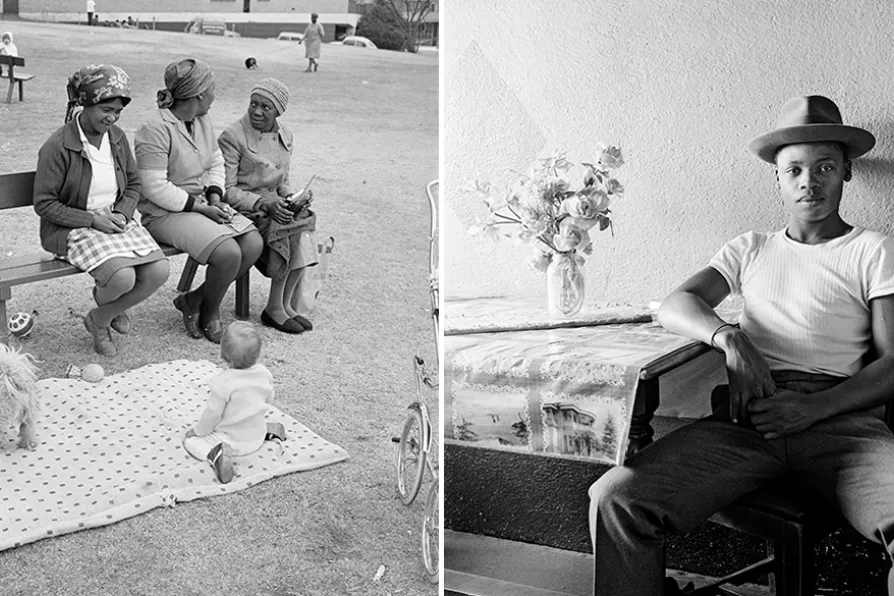 ICONIC: Baby with child-minders and dogs in Hillbrow park, 1972 and young man at home, Soweto, 1972
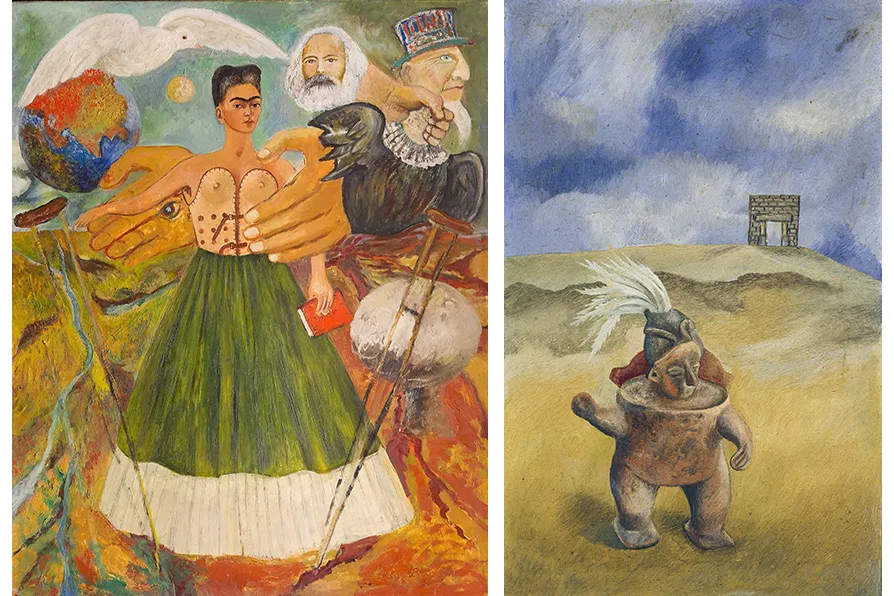
If you can see past the relentless commodification you will be rewarded by enormously powerful work, suggests JENNY MITCHELL
CHRIS SEARLE revels in the one-off collaboration between an American polymath and a British Muslim, and detects the presence of their revolutionary forebear
GORDON PARSONS revels in an ebullient production of Shakespeare’s magical comedy
BRENT CUTLER welcomes a thoughtful analysis of the Erdogan regime, viewed through the evolving history of a neighbourhood in Istanbul
GORDON PARSONS regrets the price, but is dazzled by an outstandingly ambitious study of the way art restoration in particular, and culture in general was weaponised by the Nazis





SOUTH AFRICAN photographer David Goldblatt, who died in 2018, was not an activist in the usual understanding of the word and saw his work in terms of reflecting reality rather than as direct political engagement. Yet his photos leave the viewer in no doubt about where his sympathies lie.
Renowned for a lifetime of photography exploring his home country, Goldblatt produced an unparalleled body of work within the city of Johannesburg, where he lived for 50 years.
Aged 17, Goldblatt would hitchhike from Randfontein, the small mining town where he was born, into the city where he walked around until the next morning, talking to night watchmen and following his intuition. This process became the foundation of his practice.

Similar stories
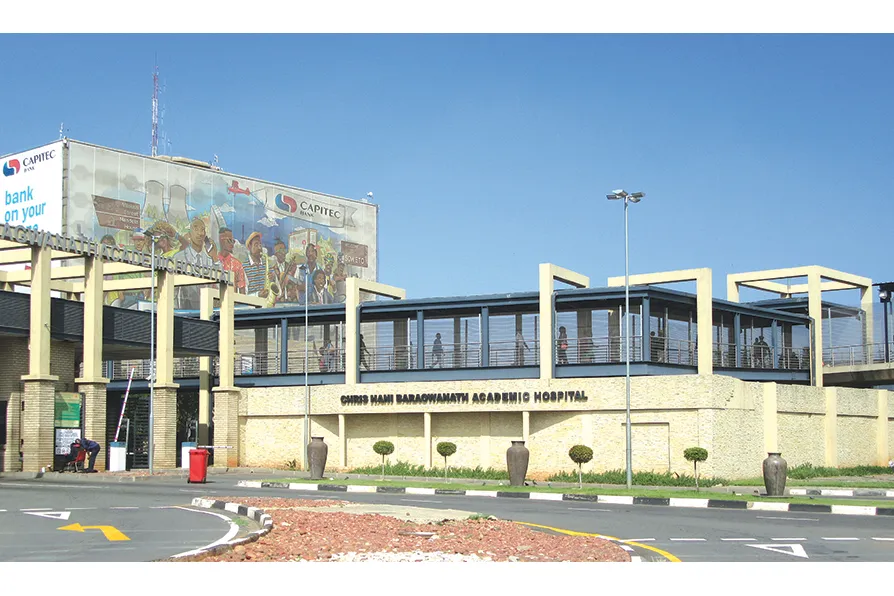
ROGER MCKENZIE recalls the one-in-a-generation communist leader murdered at the dawn of a new South Africa 33 years ago last April 10
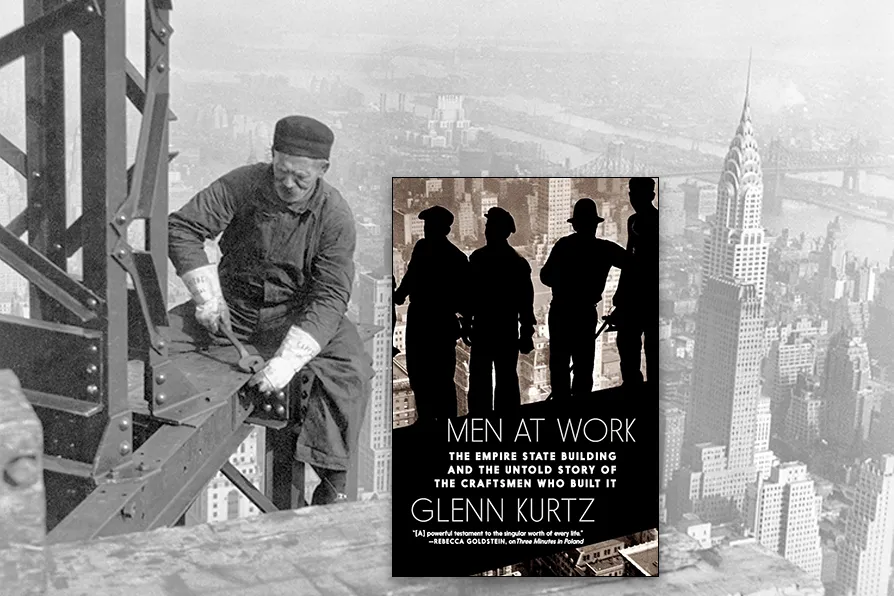
SUE TURNER is fascinated by a book that researches who the largely immigrant workforce were that built the Empire State
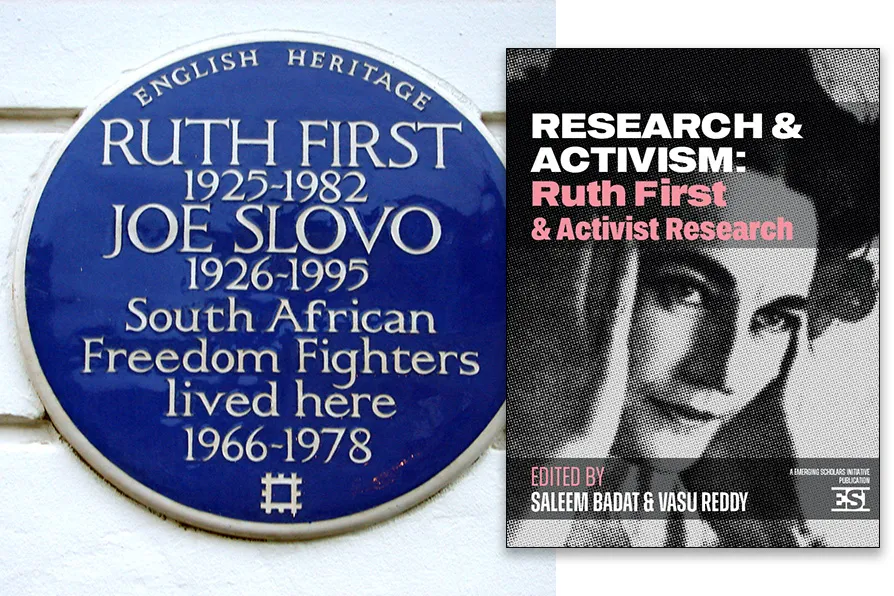
SALEEM BADAT and VASU REDDY introduce a new book about an outstanding interpreter of the world, and an activist scholar committed to changing society
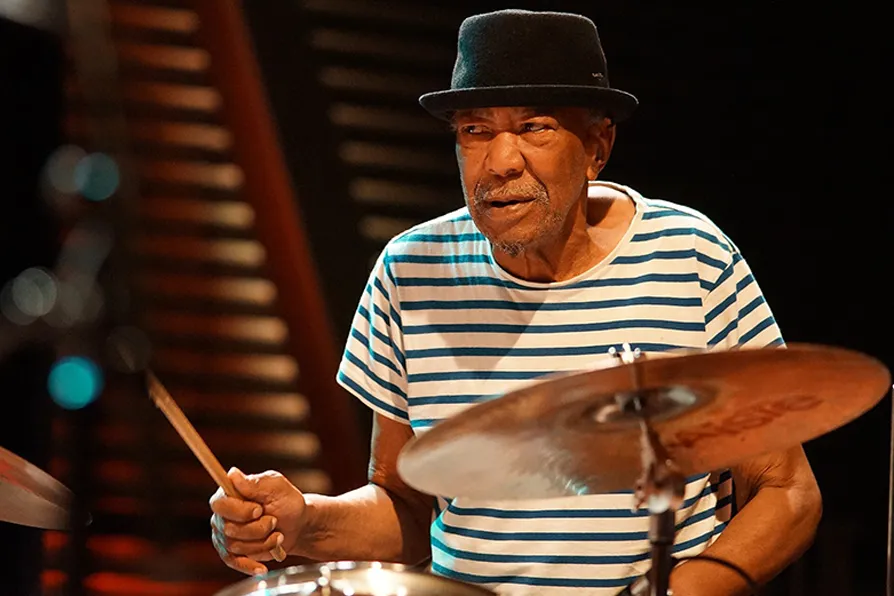
CHRIS SEARLE pays tribute to the late South African percussionist, Louis Moholo-Moholo