To rescue Kahlo from the clutches of the corporate art market, we need to acknowledge the overt and covert political dimensions of the work, demands GAVIN O’TOOLE


 Latest editorial
Lowry of the lens
Peter Mitchell's photography reveals a poetic relationship with Leeds
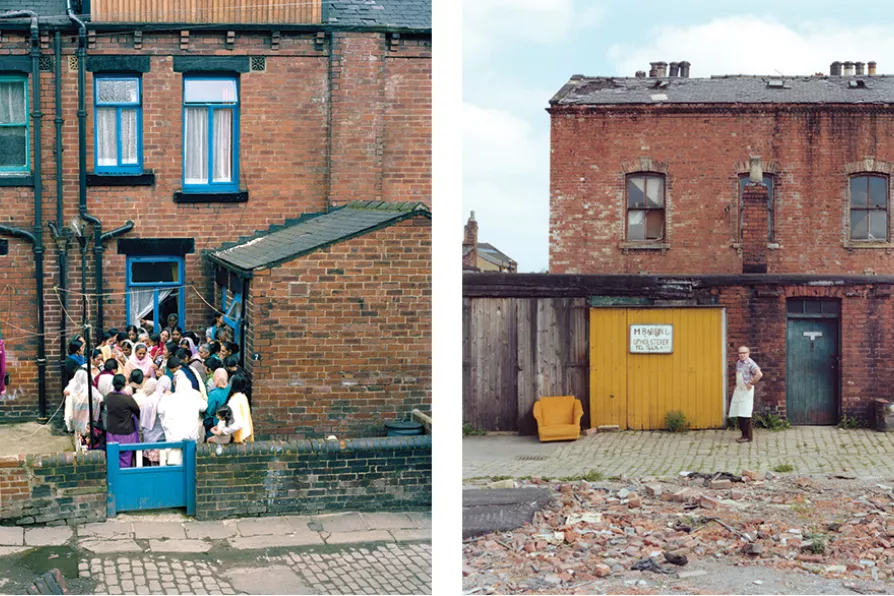 (L to R) How many Aunties?, Back Hares Mount, Leeds, 1978; Max Babbin, Vulcan Street, Leeds, 1979
[Peter Mitchell]
(L to R) How many Aunties?, Back Hares Mount, Leeds, 1978; Max Babbin, Vulcan Street, Leeds, 1979
[Peter Mitchell]
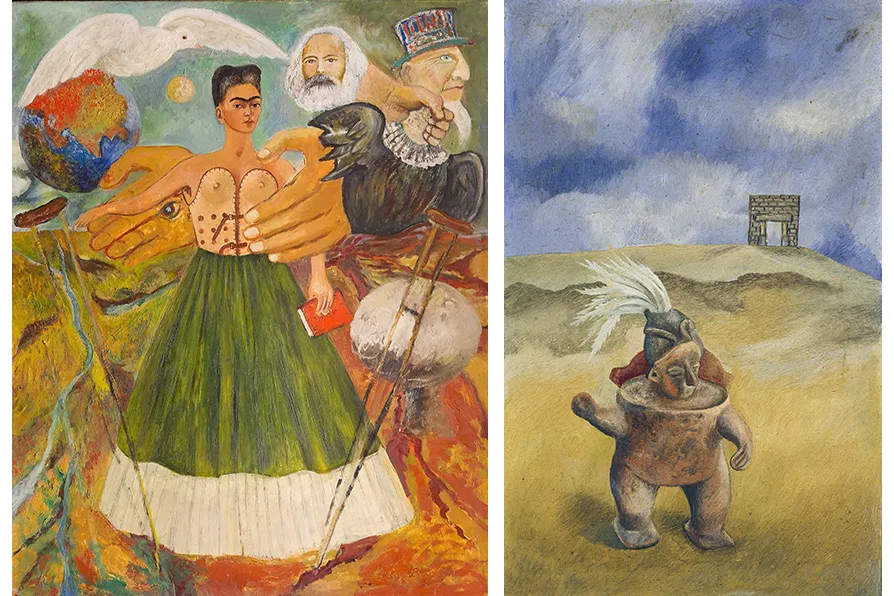
If you can see past the relentless commodification you will be rewarded by enormously powerful work, suggests JENNY MITCHELL
CHRIS SEARLE revels in the one-off collaboration between an American polymath and a British Muslim, and detects the presence of their revolutionary forebear
GORDON PARSONS revels in an ebullient production of Shakespeare’s magical comedy
BRENT CUTLER welcomes a thoughtful analysis of the Erdogan regime, viewed through the evolving history of a neighbourhood in Istanbul
GORDON PARSONS regrets the price, but is dazzled by an outstandingly ambitious study of the way art restoration in particular, and culture in general was weaponised by the Nazis





Peter Mitchell: Nothing Lasts Forever
The Photographers’ Gallery, London
PETER MITCHELL (born 1943) is widely regarded as one of the most important early colour photographers of the 1970s and ’80s. This important exhibition is dedicated to his work.
He is a self-effacing artist, coming across in interviews as rather Lowry-like: naive, unideological and uncomplicated. Taking photos, or as he says “taking pictures” is simply a necessity for him.

Similar stories
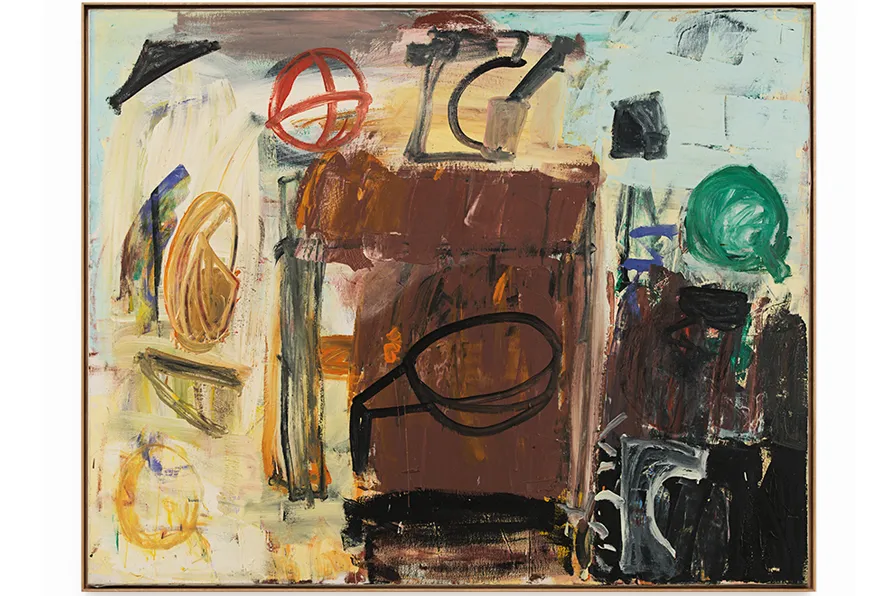
MIRANDA RICHMOND relishes the gloriously liberated art of Roy Oxlade, and traces his method back to the thinking of David Bomberg, his acknowledged teacher
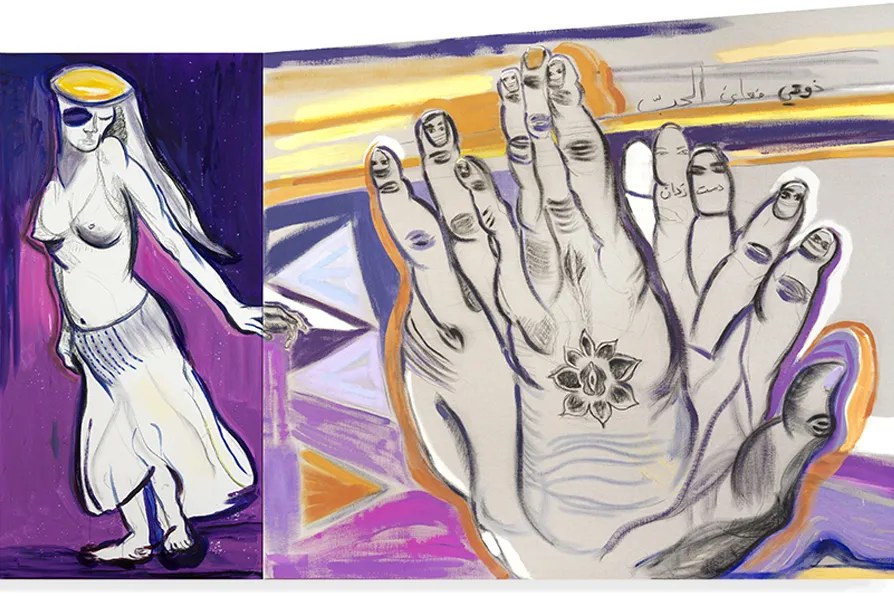
SIMON PARSONS applauds an artist who rescues and rehumanises stories of women, the victims of violence, from a feminist perspective
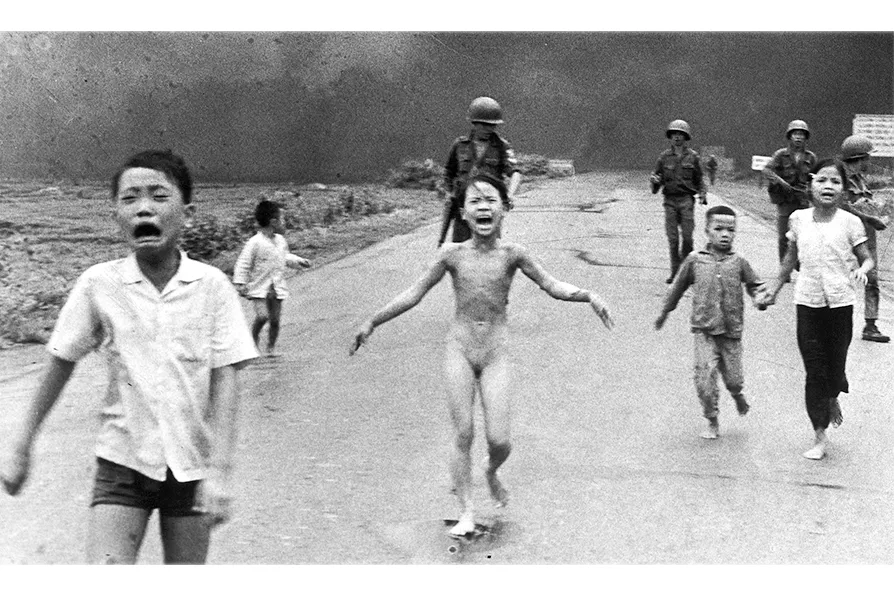
If true, the photo’s history is a damning indictment of the systematic exploitation of non-Western journalists by Western media organisations – a pattern that persists today, posit KATE CANTRELL and ALISON BEDFORD
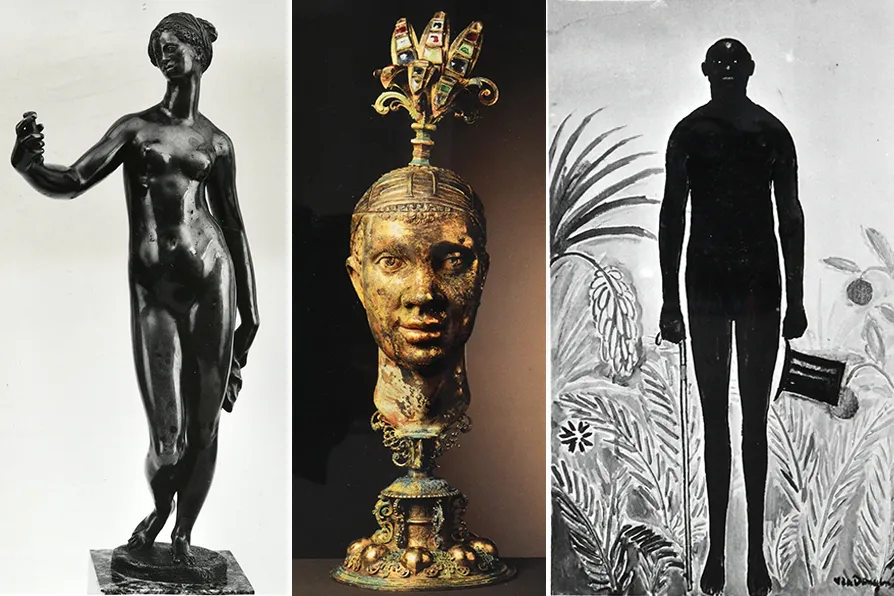
KEVIN DONNELLY accepts the invitation to think speculatively in contemplation of representations of people of African descent in our cultural heritage