Economists estimate extreme poverty could be drastically reduced for a fraction of global defence spending, yet military budgets continue to expand year on year, says JON TRICKETT MP, ahead of the Stop the War International Conference on Saturday


 Latest editorial
How can we keep social work politicised?
In the past, egalitarian trade union politics went hand in hand with how we saw our role in society itself — we must fight to preserve that in the changing sociopolitical context, writes KATE RAMSDEN


As Unison launches its Year of Women Workers, ANNIE COGAN-THOMAS argues that stronger organisation and collective bargaining are essential to winning equality
Trade unions, trades councils and community organisations must work together to build lasting solidarity and resistance to the far right, argues DREW GILCHRIST
Recent violence in Belfast was not spontaneous — it was built on years of failure and political neglect, argues STIOFAN O NUALLAIN
As delegates meet in Brighton this week, Unison faces pressing questions about pay, organising, workers’ rights and political representation, explains ANDY CHAFFER
Andy Burnham’s growing stature has fuelled hopes of a Labour revival – but ALAN SIMPSON warns that Britain’s crisis runs far deeper than just its leadership and traces its roots to decades of financialised capitalism





HAVING just retired after 43 years as a social worker, I’ve had the opportunity to look back at the changes to our profession since I qualified back in 1980.
Many will argue that social work has become more “professional” as a plethora of research has been published into all aspects of the social work role, alongside tools for assessing service users on all sorts of things — their likelihood of reoffending, their ability to care for their children, their need for adult services — and frameworks for writing all sorts of different reports.
This has been presented as progress, but many of these developments have focused practice on the individual rather than setting it within the wider social and political context, understanding that the vast majority of the people we support in social work live in the poorest communities and are the most disadvantaged. The practice has become more focused on “individual failings” and social work has often been experienced by service users as both unhelpful and judgemental.

Similar stories
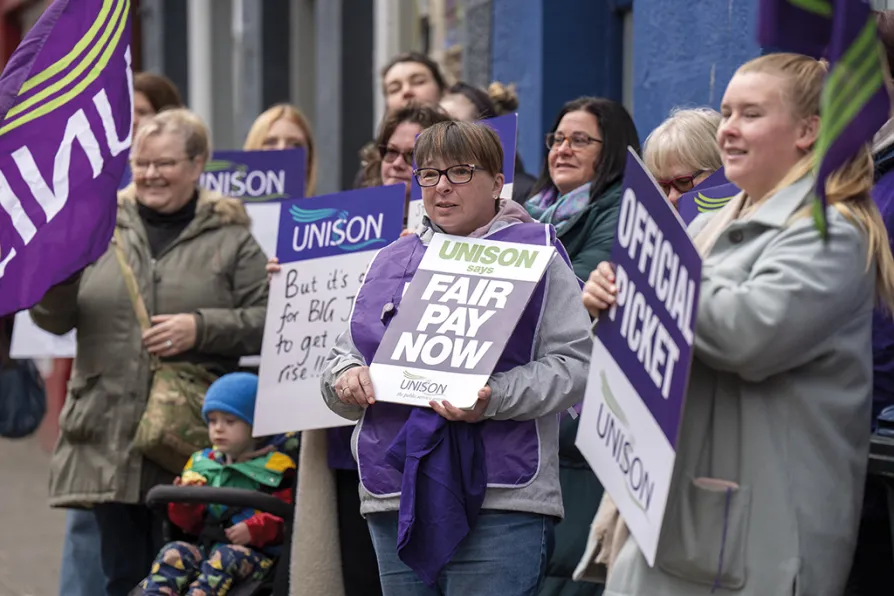
As Unison launches its Year of Women Workers, ANNIE COGAN-THOMAS argues that stronger organisation and collective bargaining are essential to winning equality
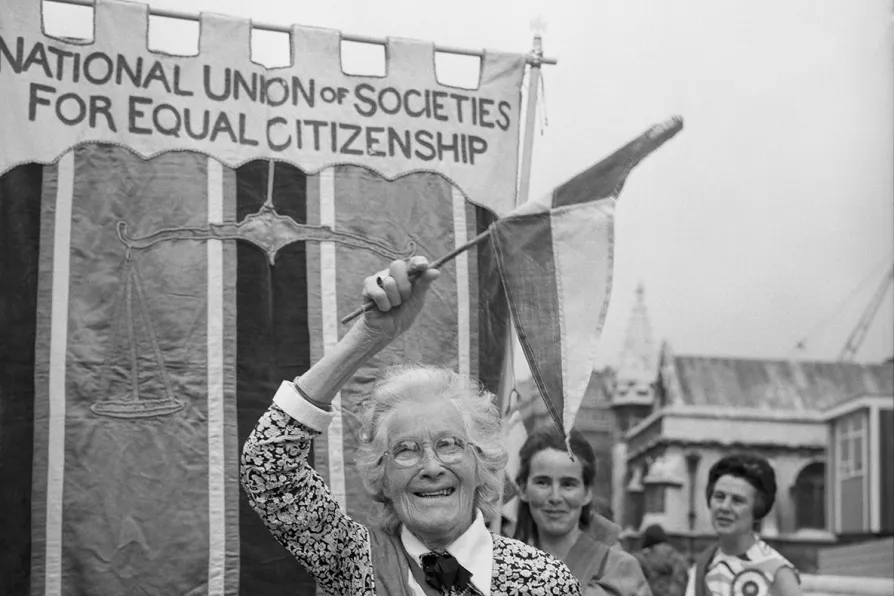
Half a century after transformative laws reshaped Britain, women’s rights are again contested. This International Women’s Day is a call to remember how change was won, and to organise to defend it, says KATE RAMSDEN
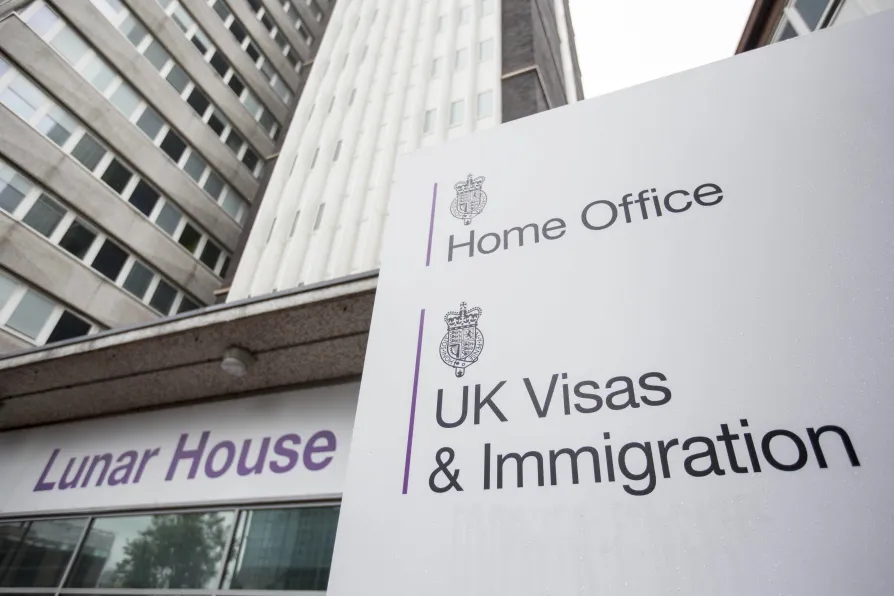
The visa system traps workers with abusive employers, creating a vulnerable workforce scared to complain for fear of deportation — that is why we’re campaigning for a ‘common sponsorship’ model instead, writes FAVOUR DAVIDKING
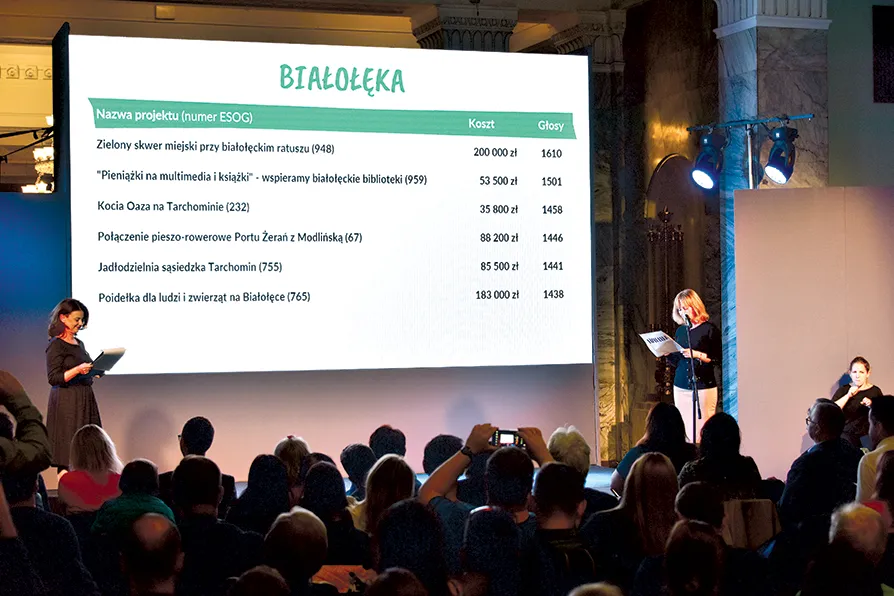
DAVID MATTHEWS looks at what a collective future for welfare might have in store for us