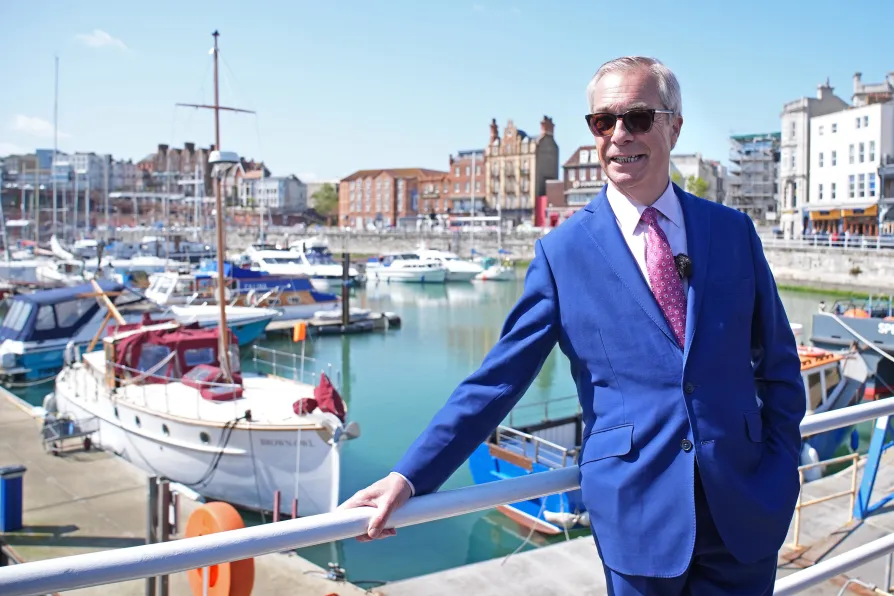
RHUN AP IORWERTH outlines Plaid Cymru’s immediate and medium-term policy goals


 Latest editorial

Starmer's worrying turn towards warmongering
The anti-war movement that began in 2001 and organised some of the biggest marches in British history also played a significant role in Corbynism's appeal. Now all that progress is under threat from a 'pro-intervention' Labour leader, writes LINDSEY GERMAN
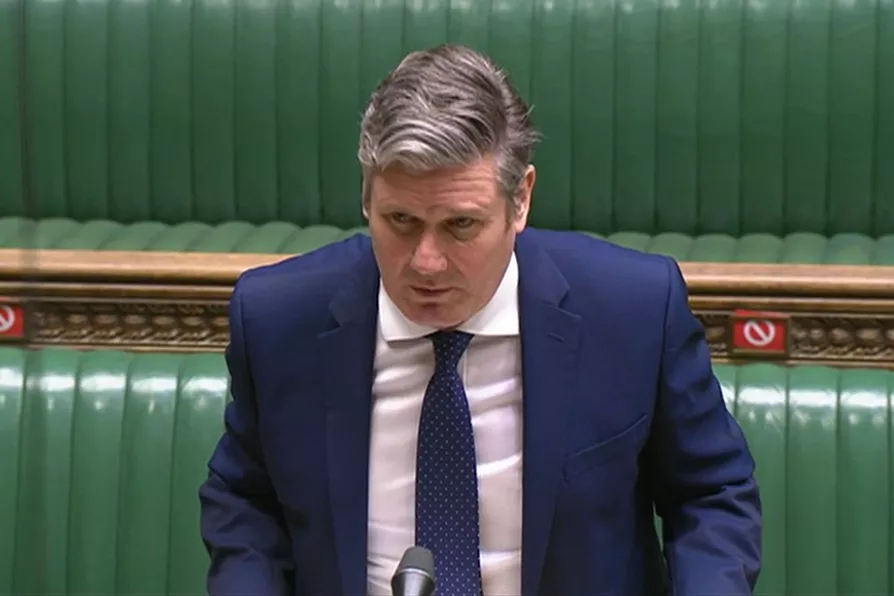 Sir Keir Starmer
A row over Trotskyist factions exposes competing visions of organisation inside Your Party and the wider left, argues NICK WRIGHT
A growing coalition, Cymru Together, is challenging traditional politics – calling for practical plans that connect climate action with economic justice, writes BETHAN SAYED
ROX MIDDLETON, LIAM SHAW and MIRIAM GAUNTLETT delve into the strange, active – and sometimes predatory – world of plants
While politicians fixate on defence budgets, the real answers lie in peace-building and economic justice, says ALAN SIMPSON
ANDREA BRADLEY highlights how a City of Glasgow College health and safety dispute is the subject of an STUC Congress emergency motion





IT IS a common myth that there is widespread public support for the wars and military interventions which have marked the history of the British empire and which are a continuing hallmark of imperialism.
Yet there has always been a strong current of anti-war opinion in Britain and it reached its height in the early part of this century when millions marched against the Iraq war and helped to create a massive crisis in Tony Blair’s government, the legacy of which still weighs like a nightmare on the present-day Labour Party.
The success of Jeremy Corbyn in winning Labour’s leadership in 2015 is attributed in part to the continued opposition to that war among many in the trade union and labour movement and the sense that there had to be a reckoning about Blair’s wars.

Similar stories
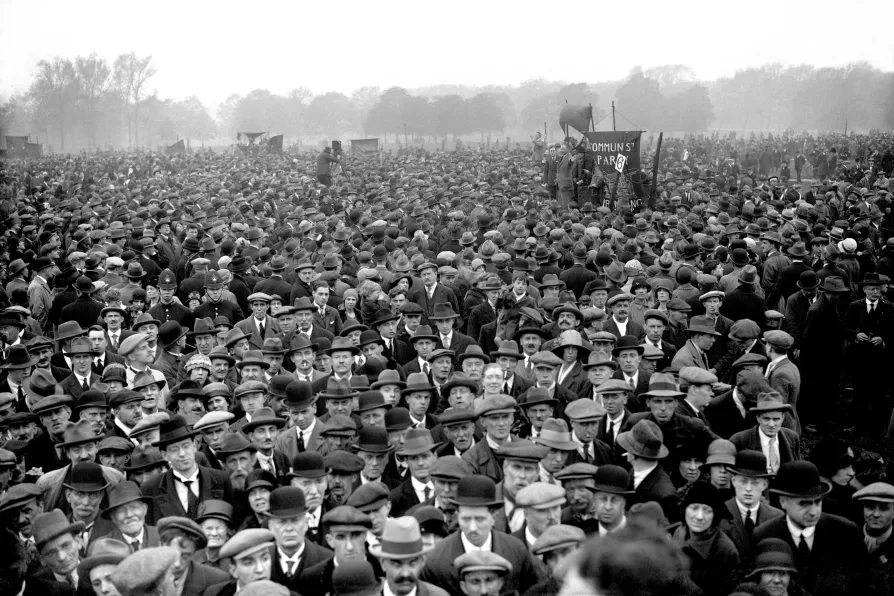
BEN CHACKO says in different ways, the centenary of the General Strike and that of Fidel Castro’s birth point to priority tasks for the British left in the coming year
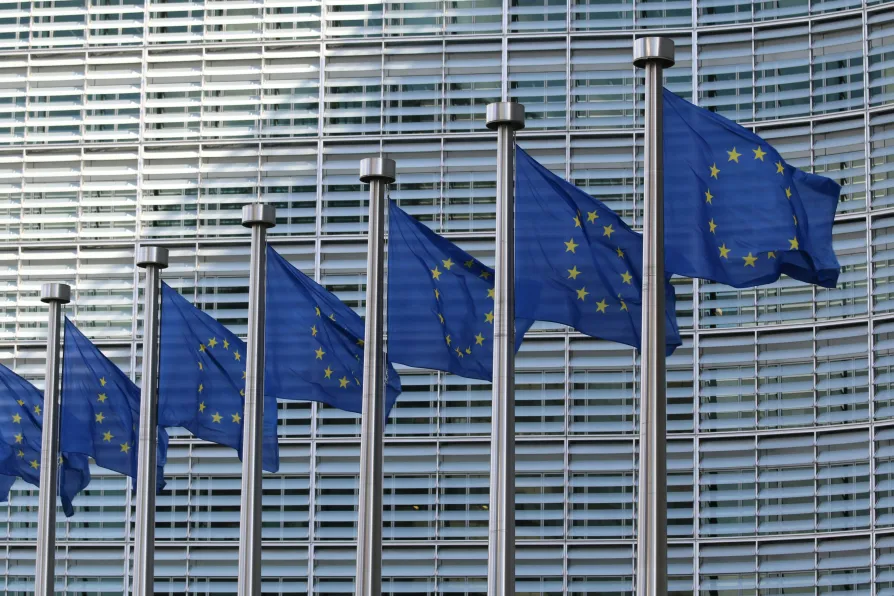
Starmer sabotaged Labour with his second referendum campaign, mobilising a liberal backlash that sincerely felt progressive ideals were at stake — but the EU was then and is now an entity Britain should have nothing to do with, explains NICK WRIGHT
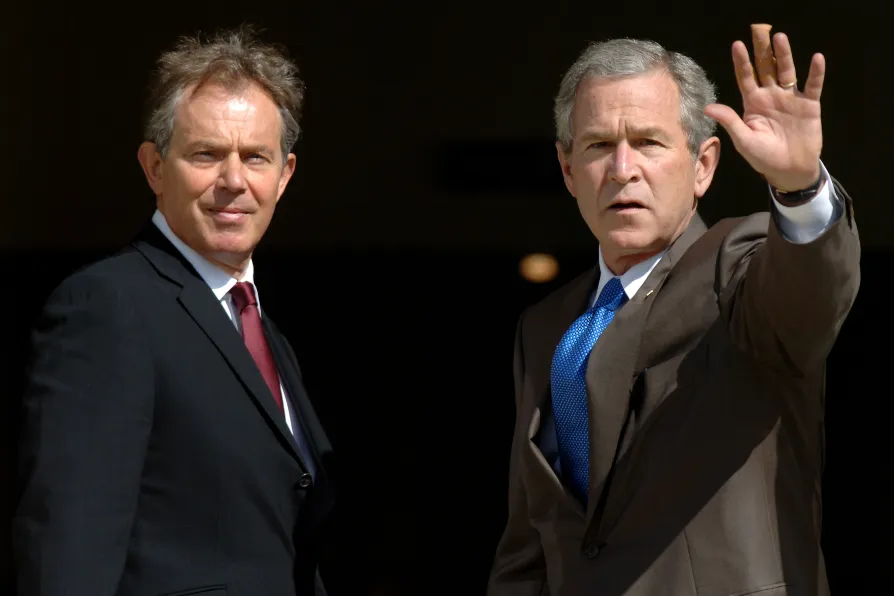
While Hardie, MacDonald and Wilson faced down war pressure from their own Establishment, today’s leadership appears to have forgotten that opposing imperial adventures has historically defined Labour’s moral authority, writes KEITH FLETT