All the evidence shows voters want Labour to shift to the left — but initial signs from Andy Burnham are worrying on that front, cautions DIANE ABBOTT


 Latest editorial
Strategic autonomy or Stockholm syndrome: whither Europe?
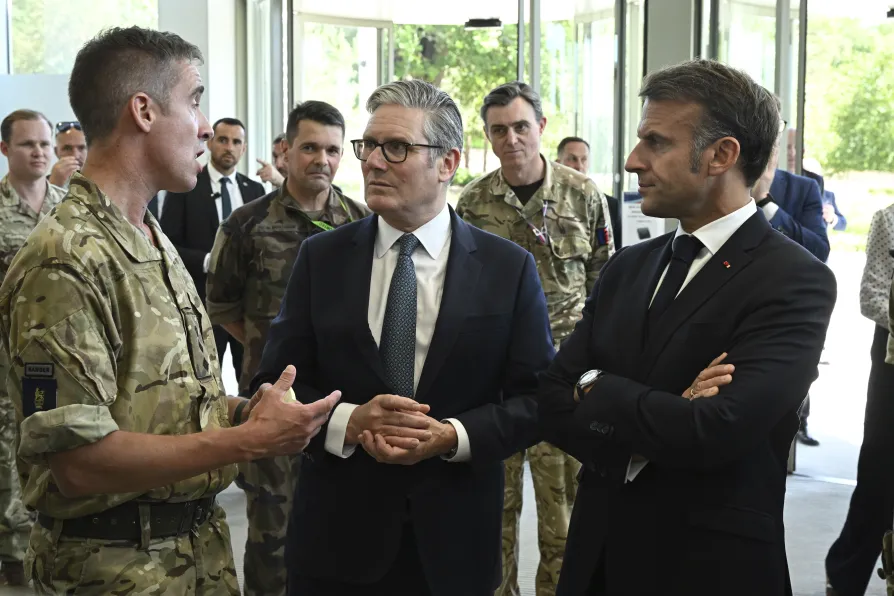
CARLOS MARTINEZ condemns Europe’s failure to develop genuine autonomy from US hegemony, as leaders like Starmer and Macron cling to a declining imperial order rather than building good relations with the emerging powers
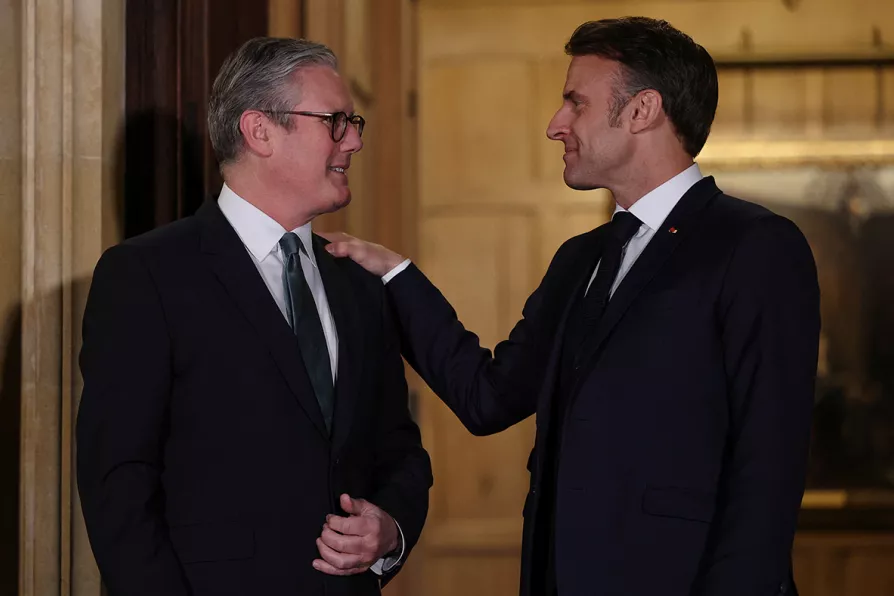 Prime Minister Sir Keir Starmer with French President Emmanuel Macron during his visit to Chequers, the country house of the serving British Prime Minister, near Aylesbury, Buckinghamshire, January 9, 2025
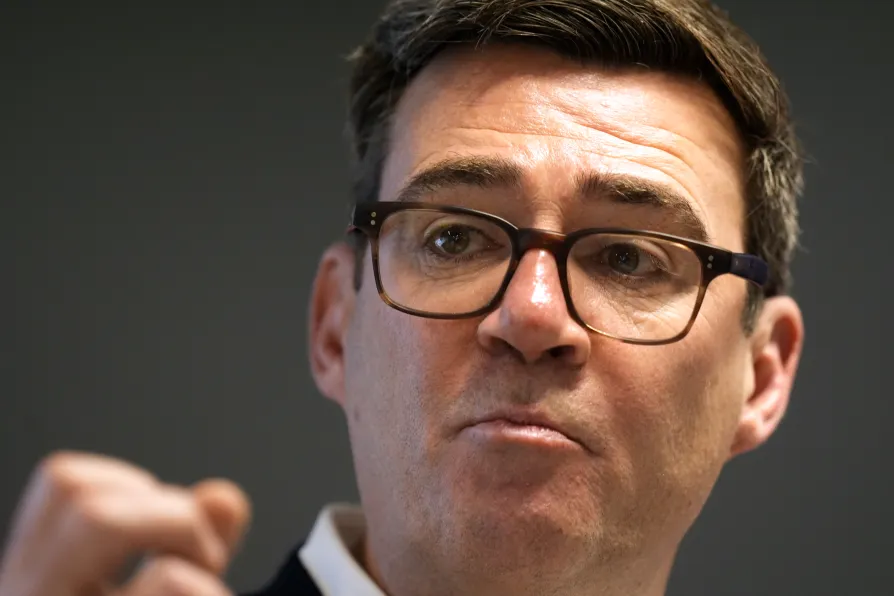
ANDY McDONALD MP says Labour must show it is capable of delivering real improvements in people’s lives — bold action is required
ANGUS REID and ANDREW JOHNSTONE report on an initiative that we must take this summer
ALLISON FEWTRELL on what Plaid Cymru's historic election victory means for the communities being failed by Wales’s housing crisis, and four things the new government can do right now
France Insoumise MP JEROME LEGAVRE speaks to Christophe Domec on building the Europe-wide peace movement that came together in the International Conference Against War last weekend
At last weekend’s International Conference Against War, LINDA PENTZ GUNTER talks to the Palestinian physician and politician about the struggles ahead to achieve a truly free Palestine





POLITICAL leaders in western Europe occasionally like to talk up the need for “strategic autonomy” from the US. Emmanuel Macron in particular placed it at the centre of his foreign policy platform at the start of his presidency eight years ago, and has raised the issue several times since.
The idea of Europe exercising strategic autonomy rather than simply outsourcing its foreign policy to Washington is not new, but rather a reiteration of Charles de Gaulle’s ideas on international relations from the 1950s.
There have been a handful of noteworthy examples of its deployment in the 21st century. France, under president Jacques Chirac, and Germany, under Chancellor Gerhard Schroder, refused to participate in the 2003 invasion of Iraq.
Similar stories
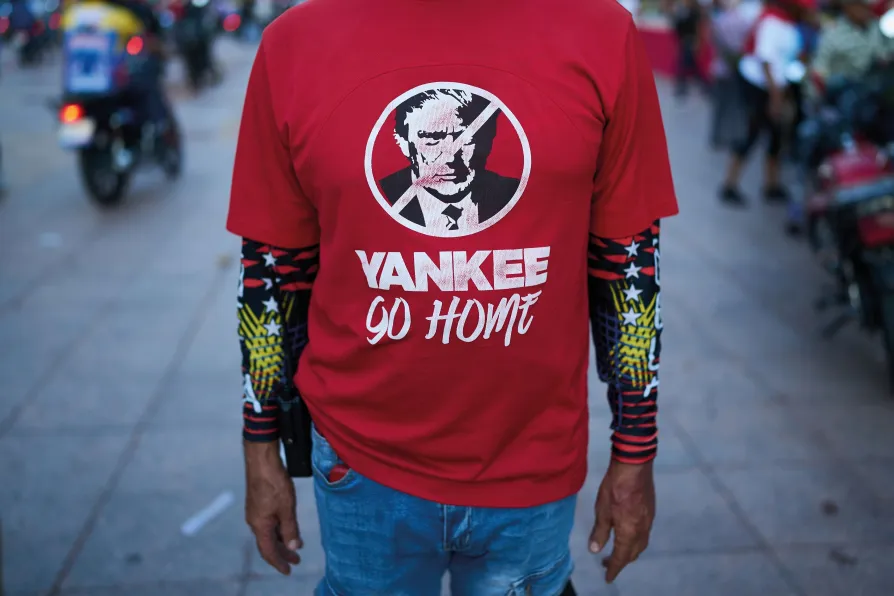
Western nations’ increasingly aggressive stance is not prompted by any increase in security threats against these countries — rather, it is caused by a desire to bring about regime changes against governments that pose a threat to the hegemony of imperialism, writes PRABHAT PATNAIK
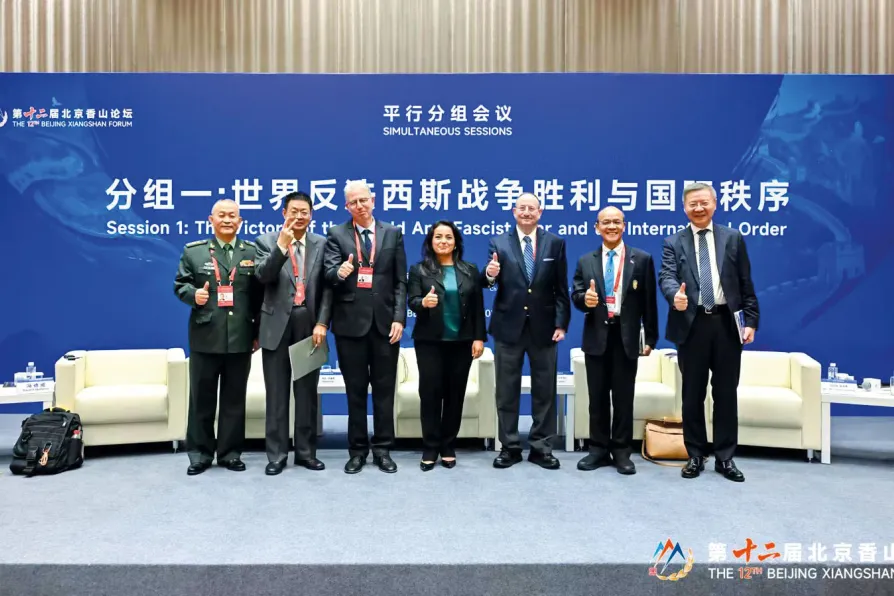
In a speech to the 12th Xiangshan Forum in Beijing, SEVIM DAGDELEN warns of a growing historical revisionism to whitewash Germany and Japan’s role in WWII as part of a return to a cold war strategy from the West — but multipolarity will win out
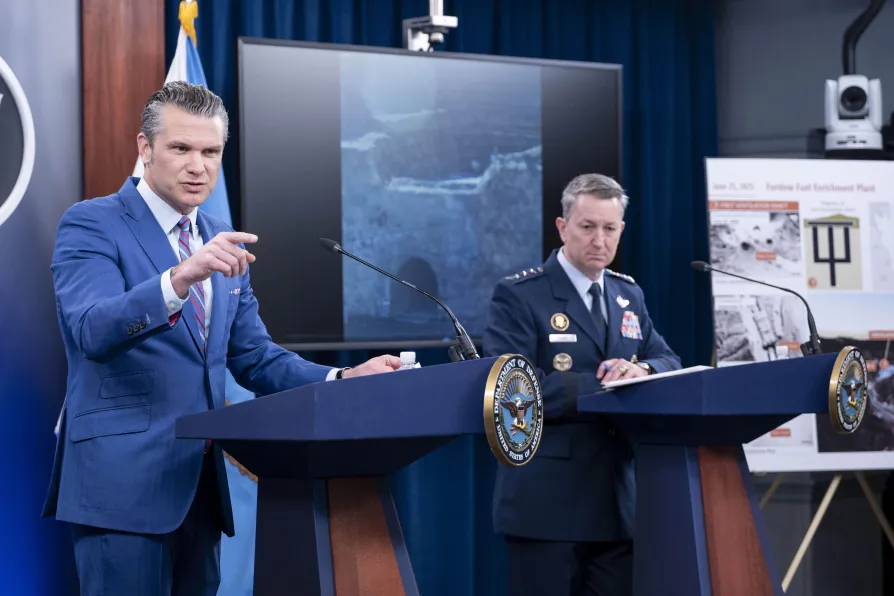
The US’s bid for regime change in the Islamic Republic has become more urgent as it seeks to encircle and contain a resurgent China, writes CARLOS MARTINEZ