To rescue Kahlo from the clutches of the corporate art market, we need to acknowledge the overt and covert political dimensions of the work, demands GAVIN O’TOOLE


 Latest editorial
Inventive response to the call of the wild Fri Dec 22
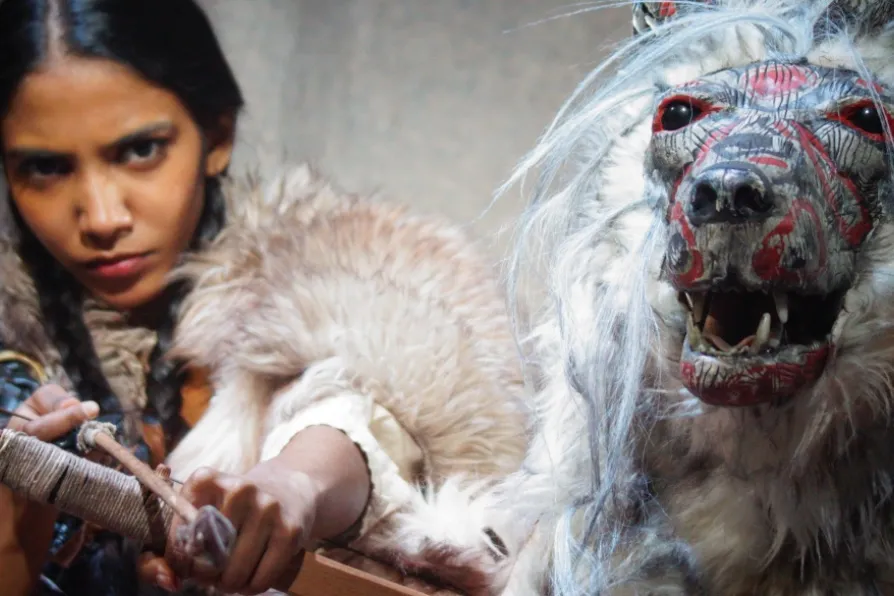 Excellent: Mariska Ariya
[Jethro Compton]
Excellent: Mariska Ariya
[Jethro Compton]
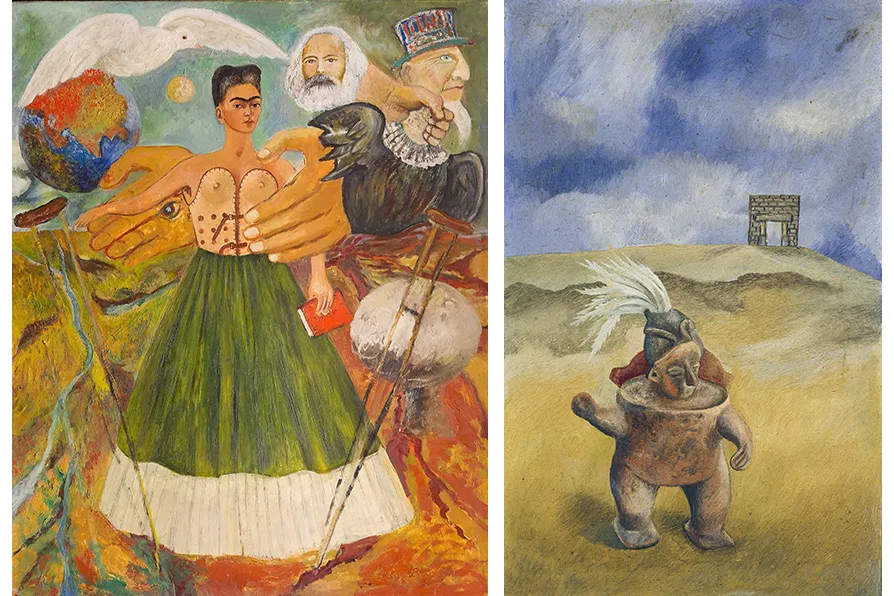
If you can see past the relentless commodification you will be rewarded by enormously powerful work, suggests JENNY MITCHELL
CHRIS SEARLE revels in the one-off collaboration between an American polymath and a British Muslim, and detects the presence of their revolutionary forebear
GORDON PARSONS revels in an ebullient production of Shakespeare’s magical comedy
BRENT CUTLER welcomes a thoughtful analysis of the Erdogan regime, viewed through the evolving history of a neighbourhood in Istanbul
GORDON PARSONS regrets the price, but is dazzled by an outstandingly ambitious study of the way art restoration in particular, and culture in general was weaponised by the Nazis





White Fang
Park Theatre, London
THIS is not so much a reinterpretation of Jack London’s book as a reinvention. In the original, we follow the adventures of a wolf with one foot in the human world and another in the wild, but here Jethro Compton’s two-act play has become a consideration of the similarly conflicted life of Lyzbet Scott, a native American of the Yukon trying to keep alive the old ways of her murdered parents while seeking an accommodation with the European outlook of her adoptive grandfather.
Not everyone will appreciate the departure from London’s much-loved book, but the key point is that it works. The main themes of the novel — the struggle for identity and the savagery of the human condition — are just as relevant in Lyzbet’s story, if not more so.
And, for those who might regret the disappearance of White Fang as a central character, there’s consolation in the fact that his services are at least retained as Lyzbet’s hunting companion, ally and soulmate albeit in puppet form, facilitated by the actors in Warhorse fashion.

Similar stories
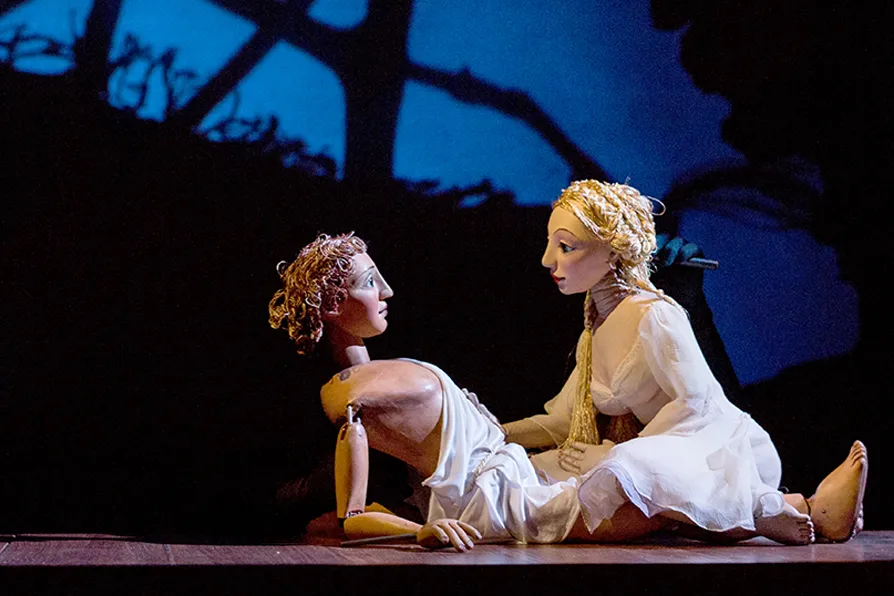
GEORGE FOGARTY is dazzled by a breathtakingly skillful puppet version of Shakespeare’s greatest love poem
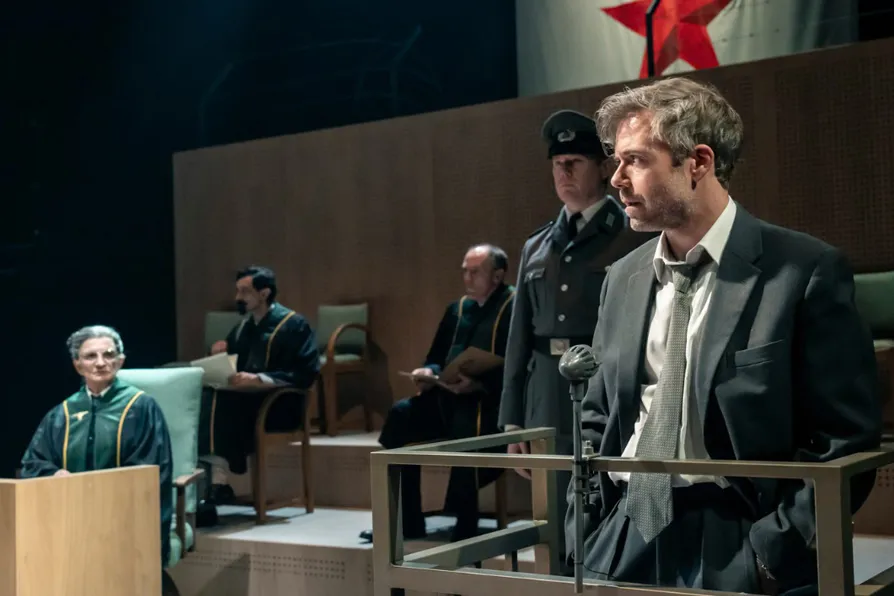
PETER MASON applauds a stage version of Le Carre’s novel that questions what ordinary people have to gain from high-level governmental spying

PETER MASON is gripped by a novel that confronts corporate callousness with those prepared to act to bring about change
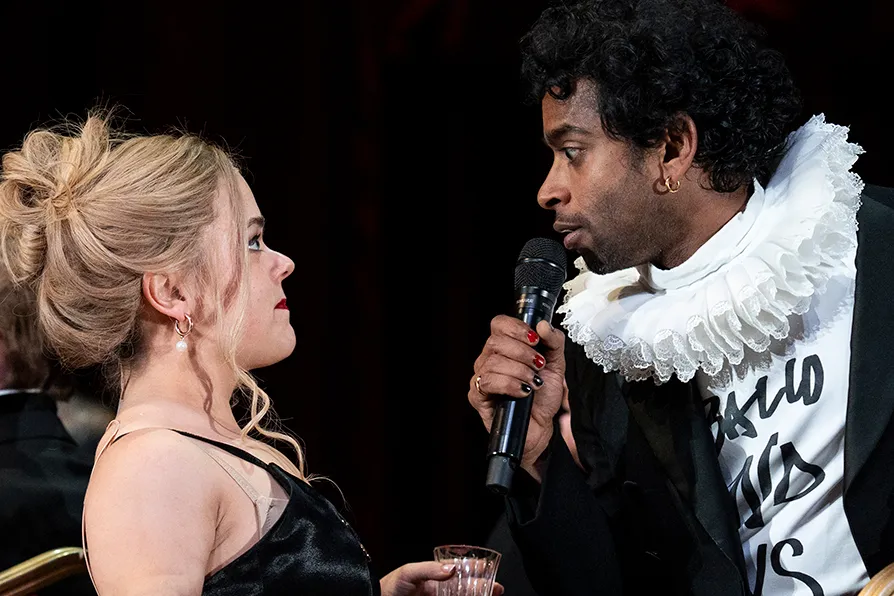
MAYER WAKEFIELD is gripped by a production dives rapidly from champagne-quaffing slick to fraying motormouth