To rescue Kahlo from the clutches of the corporate art market, we need to acknowledge the overt and covert political dimensions of the work, demands GAVIN O’TOOLE


 Latest editorial
Error message
An error occurred while searching, try again later.What isn’t there in Wales
STEVE ANDREW recommends a lively and often moving guide to once vibrant spaces that have been abandoned or swept away
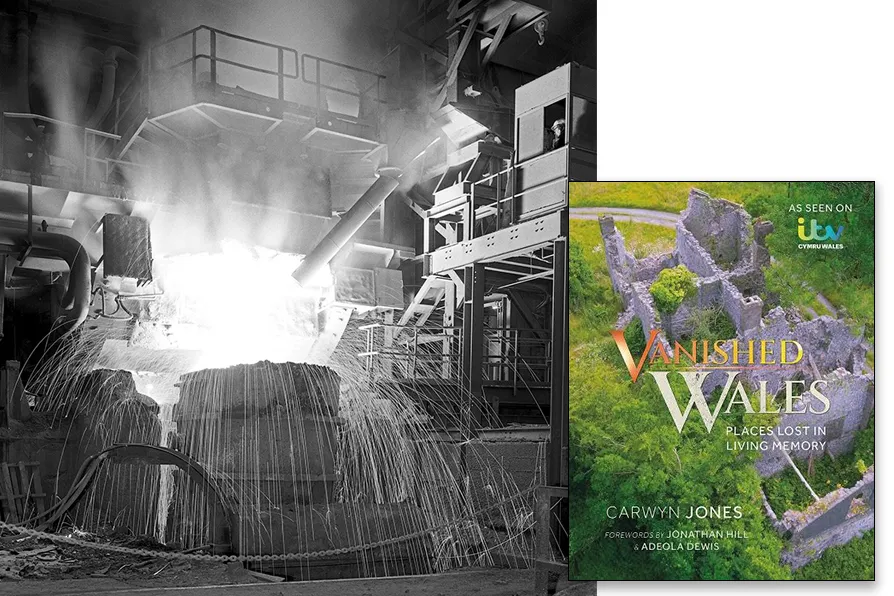 LOST INDUSTRIAL HERITAGE: D Furnace - Brymbo Steelworks 1990 [Pic: Mike/CC]
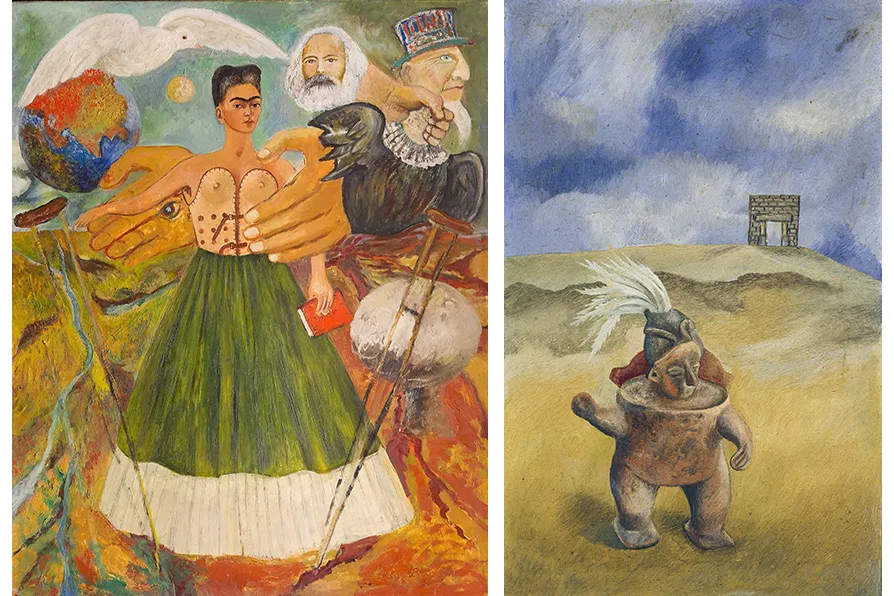
If you can see past the relentless commodification you will be rewarded by enormously powerful work, suggests JENNY MITCHELL
CHRIS SEARLE revels in the one-off collaboration between an American polymath and a British Muslim, and detects the presence of their revolutionary forebear
GORDON PARSONS revels in an ebullient production of Shakespeare’s magical comedy
BRENT CUTLER welcomes a thoughtful analysis of the Erdogan regime, viewed through the evolving history of a neighbourhood in Istanbul
GORDON PARSONS regrets the price, but is dazzled by an outstandingly ambitious study of the way art restoration in particular, and culture in general was weaponised by the Nazis





Vanished Wales: Places lost in Living Memory
Carwyn Jones, Seren, £16.99
VANISHED WALES is a fantastic collection of well-crafted essays and often stunning photos that explores parts of the nation that have now been lost.
Based on the wildly popular HTV series of the same name and recently released by independent Welsh publishers Seren, author Carwyn Jones immediately declares its focus to be the “vibrant spaces that have been unwillingly abandoned and purposely swept away in the second half of the 20th century.”
Gently written, with love, respect and interest, the author makes sure to include the memories of locals who lived and worked in the sites explored. And although there is often no overt link between one chapter and the next this unpredictability helps make the book a lively, charming, and at times very moving read.
Don’t think for one minute that the book is a run-of-the-mill tourist guide full of pictures of churches and castles and stately homes, interesting as they often are. This is instead people’s history born out of a period of immense change, so much so that the political, cultural and economic landscape of much of Wales even a few decades ago would be unrecognisable today.
Some of the sites deal with industry, and the stark and often beautiful landscapes they gave birth to; some are about villages or towns that no longer have the role that they once did; some focus on specific workplaces and buildings; and some with public transport services.
Standouts for me were the chapter on the picturesque village of Groes that was flattened to make way for the M4, the much missed Lovells sweet factory in Newport, the mining village of Troedrhiwfuwch high up in the hills of Caerphilly which was only demolished in the 1980s, and the hugely impressive Brymbo steelworks near Wrexham.
As regards Wales at leisure, there is the inclusion of notes about the stunning Victoria pier in Colwyn Bay as well as about Cardiff’s Capitol Theatre which became so central to musical history. And on a transport theme, the once thriving Severn Ferry Service gets coverage as does the Rhyl’s Hovercoach which used to speed across to Wallasey six times a day. Of course, not all the sites included can be equally mourned; Valley Works in Flintshire, that became so central to the making of the atomic bomb, being a particularly grim example of this.
The Marxist historian Gwyn Williams ended his magisterial book When Was Wales by noting how the nation itself had been shaped by a series of conflicts, splits and ruptures. He was also given to argue that the Welsh people understood themselves primarily through a series of traditions and accordingly suffered from a collective form of historical amnesia so that “Wales is now and has always been now.“
To what extent this book supports this often controversial viewpoint is open to question. What isn’t up for debate, though, is the book’s ability to address such central questions through a popular form in which Jones serves as a likeable guide, brimming with both knowledge and enthusiasm.
Whether local or not, or Welsh or not, this book definitely one to have a look at the next time you are exploring Wales.