All the evidence shows voters want Labour to shift to the left — but initial signs from Andy Burnham are worrying on that front, cautions DIANE ABBOTT


 Latest editorial
Meeting the current generation of revolutionary Cubans
ROBERT GRIFFITHS recently visited Cuba as a guest of the country’s ruling Communist Party. In the first of two reports, he looks at the country's Covid successes, economic challenges and impressive education system
 Primary school children, seen here wearing Jose Marti Pioneer white shirts and red neckerchiefs, enjoying a teacher-to-pupil ratio of just one to 15 in Cuba.

ANDY McDONALD MP says Labour must show it is capable of delivering real improvements in people’s lives — bold action is required
ANGUS REID and ANDREW JOHNSTONE report on an initiative that we must take this summer
ALLISON FEWTRELL on what Plaid Cymru's historic election victory means for the communities being failed by Wales’s housing crisis, and four things the new government can do right now
France Insoumise MP JEROME LEGAVRE speaks to Christophe Domec on building the Europe-wide peace movement that came together in the International Conference Against War last weekend
At last weekend’s International Conference Against War, LINDA PENTZ GUNTER talks to the Palestinian physician and politician about the struggles ahead to achieve a truly free Palestine





JOEL QUEIPO RUIZ doesn’t beat around the bush and identifies Cuba’s economic shortcomings without equivocation. He’s the head of the Cuban Communist Party’s economic department and a member of its central committee and secretariat.
Sharp but relaxed, he tells me that his country must update and expand its electricity generating plant, reduce its dependence on food imports, find new overseas sources of raw materials, develop a stronger and more advanced manufacturing base, revive and enhance its tourist industry and — tied in with several of these objectives — secure greater access to international finance and foreign currency.
To the annoyance of working people, householders and shoppers alike, oil shortages make sporadic and localised power cuts unavoidable. Half of the island’s current needs are met by imports on generous terms from Venezuela, in defiance of the illegal US embargo against trade with Cuba; one-third comes from Cuba’s own oilfield off its north-western coast, while Russia supplies some of the remainder.

Similar stories
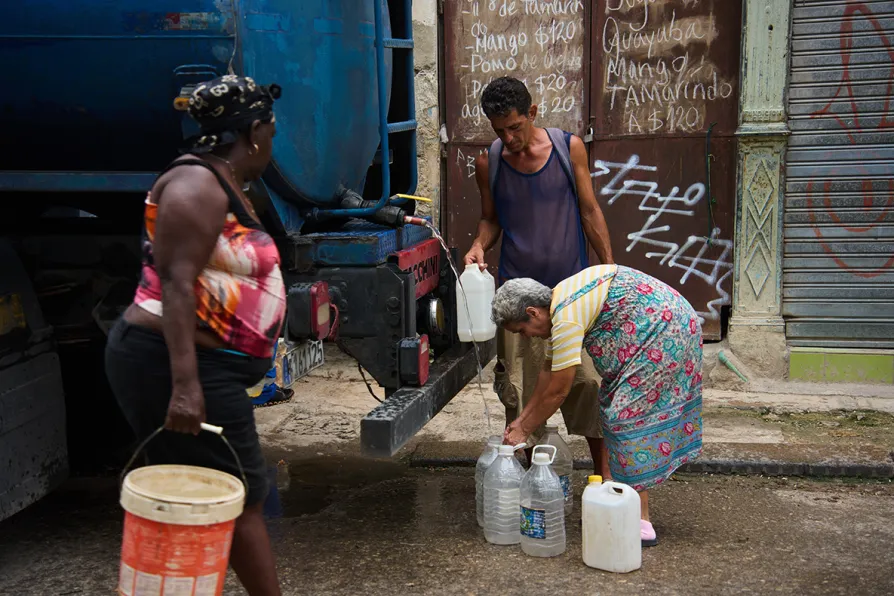
The US blockade of Cuba raises risks of a new global pandemic, experts warn at Unison conference
Trade unionists are mobilising to support Cuban workers and public services, amid escalating US pressure on the socialist island. RONAN OGILVY explains
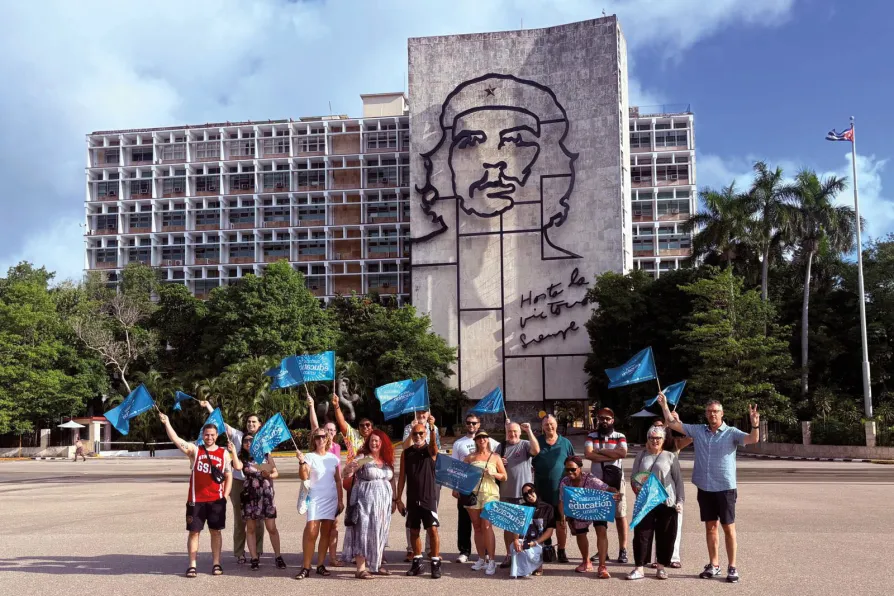
A teaching delegation to Cuba offered IAN DUCKETT a powerful glimpse into a schooling system defined by care, creativity and the legacy of the island’s remarkable 1961 literacy campaign
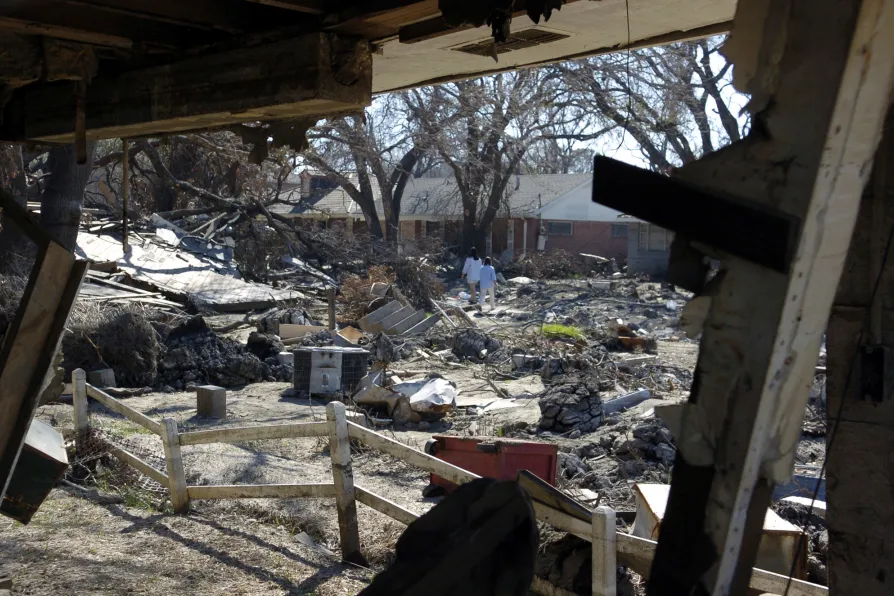
While ordinary Americans were suffering in the wake of 2005’s deadly hurricane, the Bush administration was more concerned with maintaining its anti-Cuba stance than with saving lives, writes MANOLO DE LOS SANTOS