
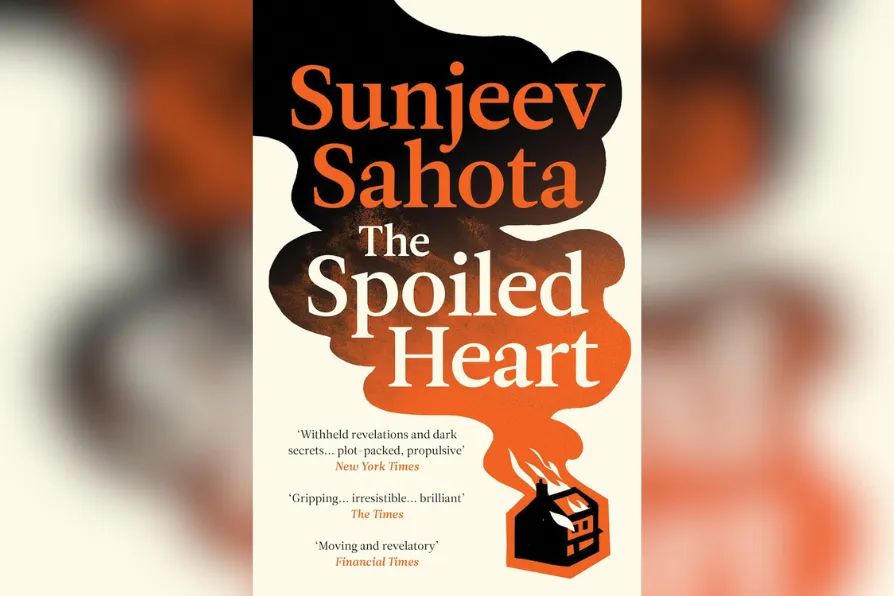
SOLOMON HUGHES recommends Sunjeev Sahota’s recent novel set in a trade union election campaign for its fresh approach to what unites and divides workers, but wishes the union backdrop was truer to life


Shapps's P&O response is far from adequate
Instead of these weak and often unclear proposals from the government, we needed unions themselves to be put back into the heart of negotiations and given the freedom to defend their members, writes LORD JOHN HENDY QC
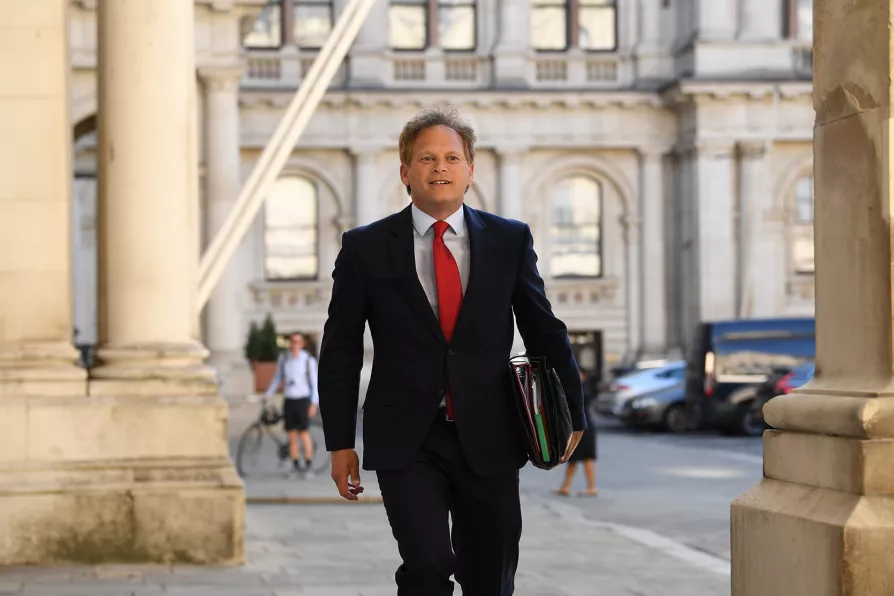
 Transport secretary Grant Shapps
Morning Star international editor ROGER McKENZIE says Trump’s ceaseless belligerence is a desperate effort to prevent the emergence of a multilateral world
Don’t dismiss Lebanon as a side theatre of this war, warns SEVIM DAGDELEN — there are signs Israel has expansion in mind, and it has demonstrated its willingness to expel and kill whole populations
The media present Starmer as staying out of Trump’s war — but we’re already deeply involved in a conflict that sees the US and Israel kill civilians on a huge scale, argues IAN SINCLAIR
LINDA PENTZ GUNTER reports on this week’s conference unveiling the findings of the Gaza Tribunal established by Jeremy Corbyn
CHRISTOPHE IMMER of the Morning Star’s German sister paper Junge Welt reports on a Berlin conference on the politics of art and the legacy of Marxist critic Hans Hess





THE STATEMENT by Grant Shapps on Wednesday of the government’s response to the sacking of 800 P&O seafarers, whose time for accepting the company’s offers runs out today, is too little too late. The announcement of the sackings was two weeks ago on March 17. Why has the government waited so long to act?
Some of the proposals are welcome, without a doubt. The proposal for European ferry corridors with a European minimum wage for seafarers and the proposal for the Maritime and Coastguard Agency to apply rigorous checks on safety are, of course, to be commended.
An amendment to the Harbours Act to enable British ports to refuse access to ships not paying the minimum wage is excellent — but how that will work in freeports in which P&O’s owners DP World have a share is not clear.

Similar stories
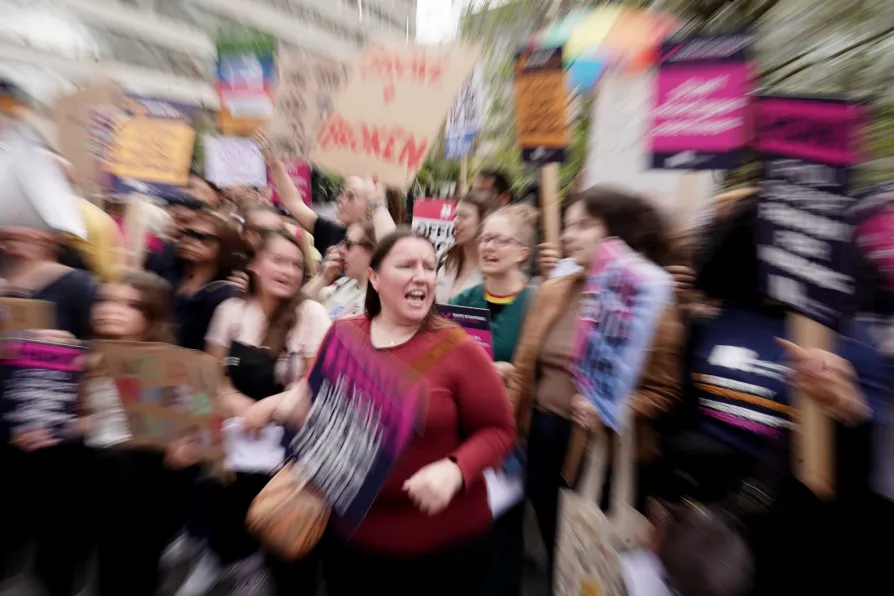
The Bill addresses some exploitation but leaves trade unions heavily regulated, most workers without collective bargaining coverage, and fails to tackle the balance of power that enables constant mutation of bad practice, write KEITH EWING and LORD JOHN HENDY KC
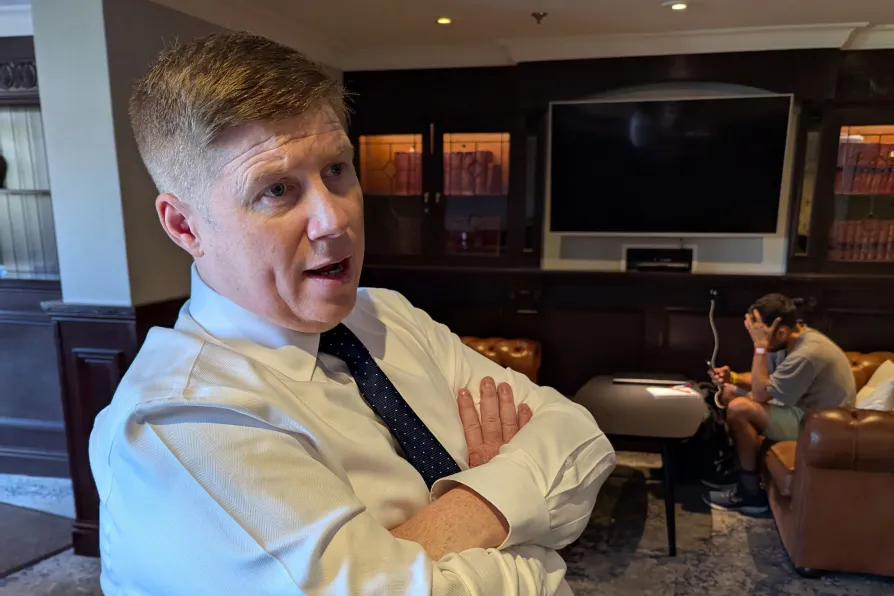
Ben Chacko talks to RMT leader EDDIE DEMPSEY about how the key to fixing broken Britain lies in collective sectoral bargaining, restoring unions’ ability to take solidarity strike action and bringing about the much-vaunted ‘wave of insourcing’
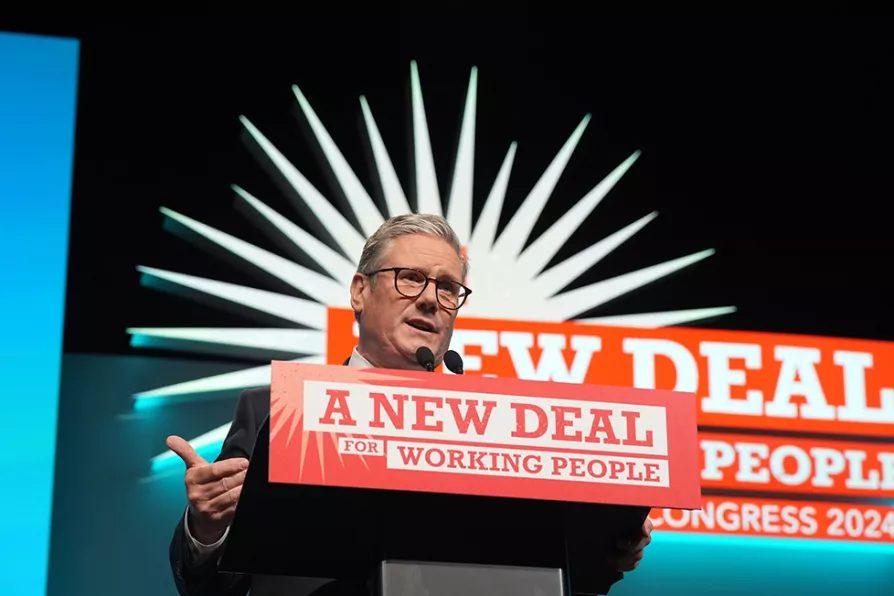
Falling short of what was promised: many of the new rights in the Employment Rights Bill have defects or escape loopholes that all need addressing, writes LORD JOHN HENDY KC
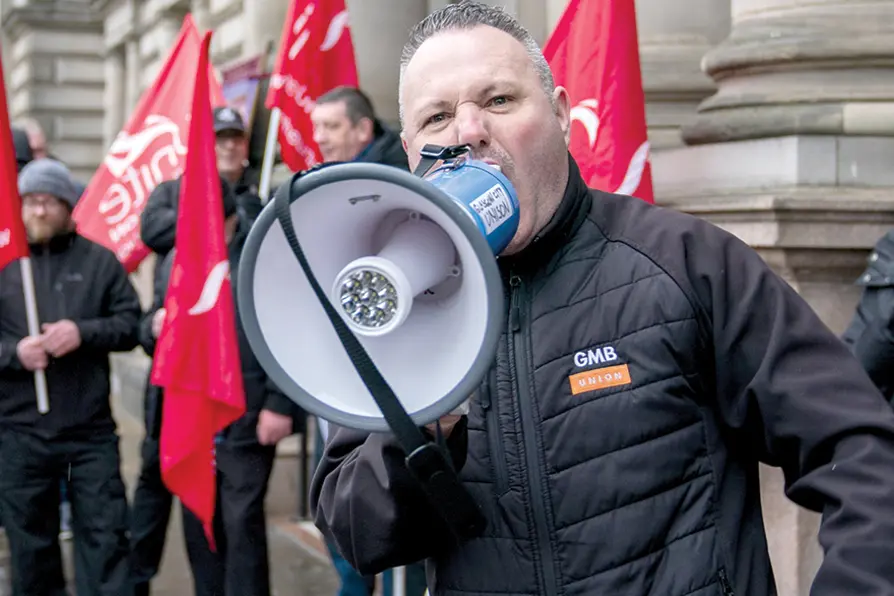
The Employment Rights Bill is a vital opportunity to rebalance power between workers and employers. As it passes to the Lords, pressure must be brought to bear to strengthen this key legislation, argues ANDY McDONALD MP