To rescue Kahlo from the clutches of the corporate art market, we need to acknowledge the overt and covert political dimensions of the work, demands GAVIN O’TOOLE


 Latest editorial
Kathe Kollwitz: a radical inspiration
CHRISTINE LINDEY pays tribute to one of the greatest printmakers of the 20th century, whose work opposing war and social injustice merits wider recognition
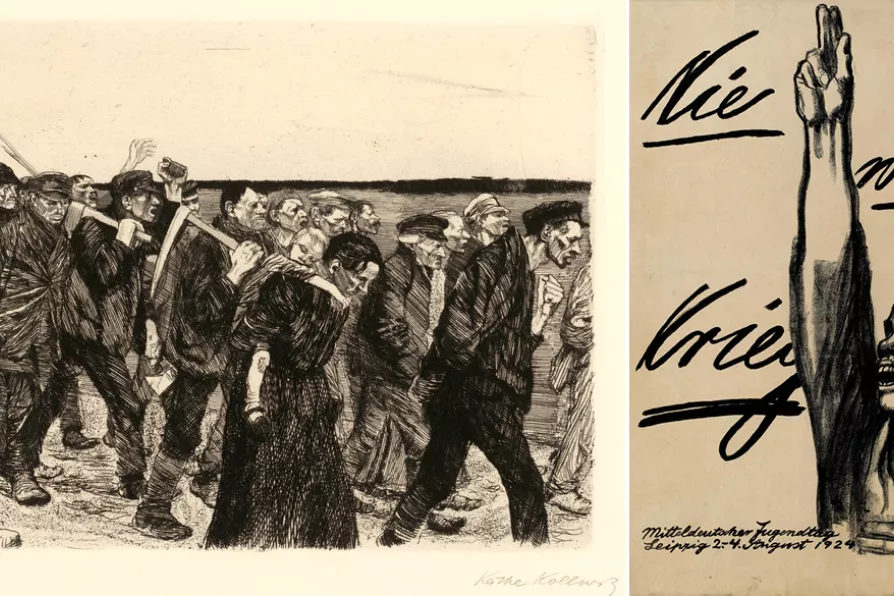 March of the Weavers, 1893-1897; Socialist Working-Class Youth poster Never Again War for the 10th anniversary of Germany starting WWI, 1924
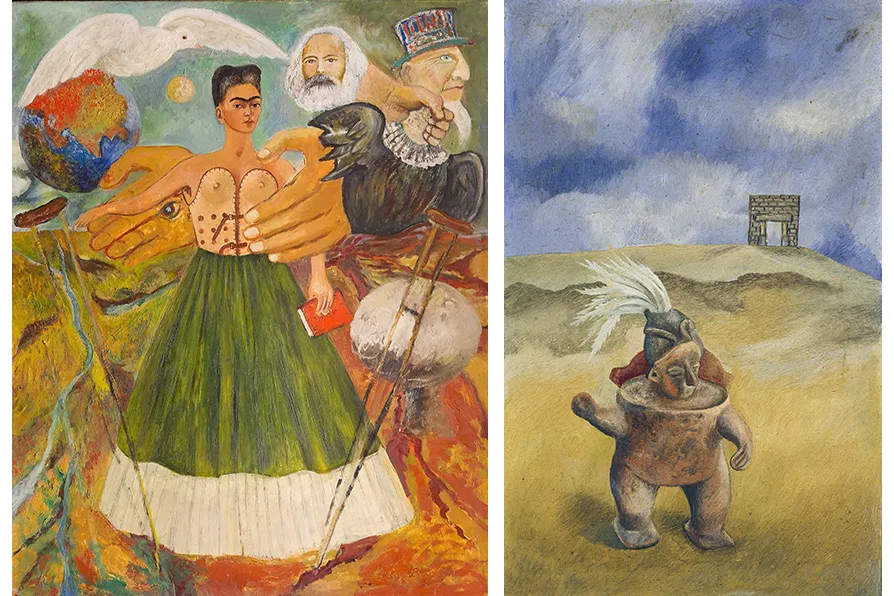
If you can see past the relentless commodification you will be rewarded by enormously powerful work, suggests JENNY MITCHELL
CHRIS SEARLE revels in the one-off collaboration between an American polymath and a British Muslim, and detects the presence of their revolutionary forebear
GORDON PARSONS revels in an ebullient production of Shakespeare’s magical comedy
BRENT CUTLER welcomes a thoughtful analysis of the Erdogan regime, viewed through the evolving history of a neighbourhood in Istanbul
GORDON PARSONS regrets the price, but is dazzled by an outstandingly ambitious study of the way art restoration in particular, and culture in general was weaponised by the Nazis




GERMAN artist Kathe Kollwitz (1867-1945) was steeped in progressive politics and culture from childhood.
Her grandfather and father were socialists and her own lifelong conviction was reaffirmed through meeting the patients of her husband, Doctor Karl Kollwitz, in a working-class district of Berlin.
She managed to combine motherhood with a successful career as a teacher and artist without compromising her social and political beliefs.
Kollwitz had a traditional academic art education, in which oil paining topped the hierarchy of mediums, but she committed to printmaking because this better served her central aim of producing cheaply accessible works.
Similar stories
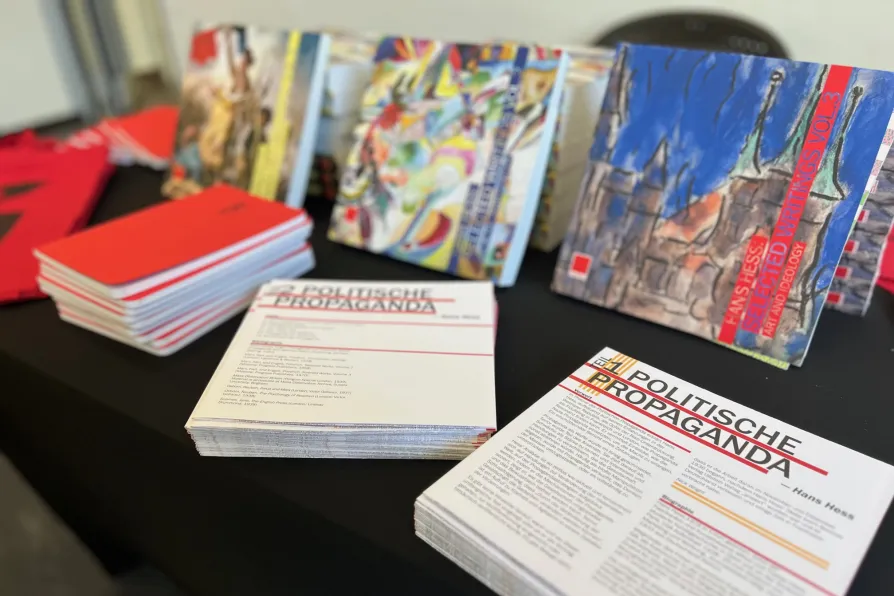
CHRISTOPHE IMMER of the Morning Star’s German sister paper Junge Welt reports on a Berlin conference on the politics of art and the legacy of Marxist critic Hans Hess
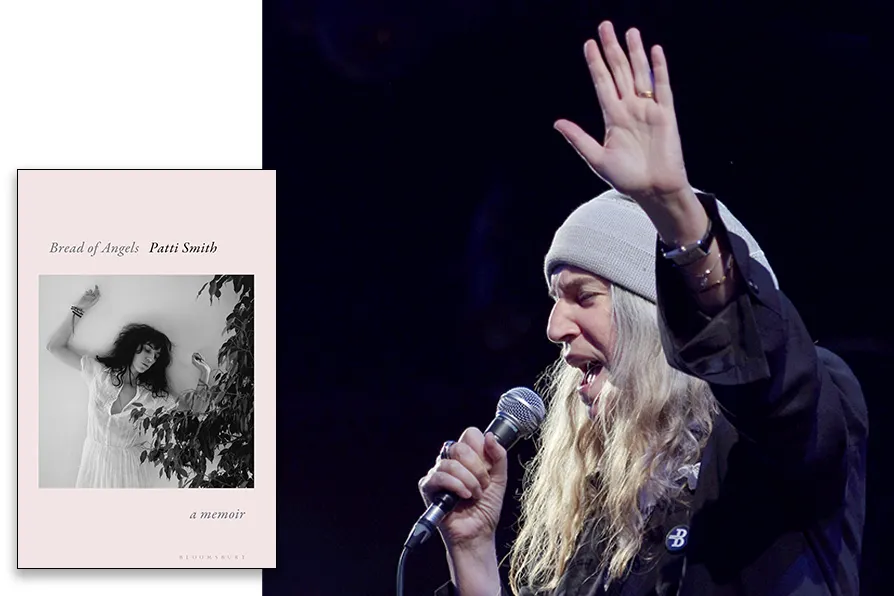
JULIA TOPPIN recommends Patti Smith’s eloquent memoir that wrestles with the beauty and sorrow of a lifetime
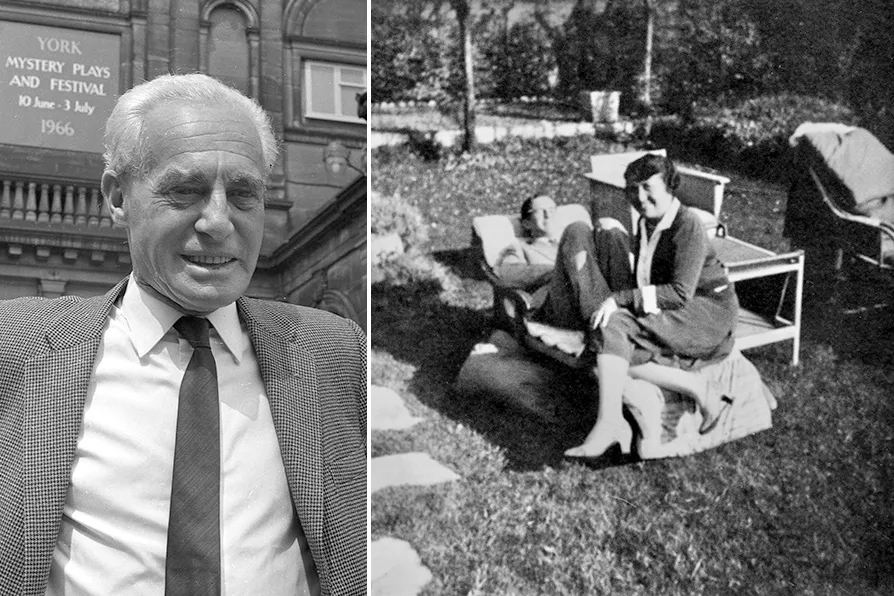
The creative imagination is a weapon against barbarism, writes KENNY COYLE, who is a keynote speaker at the Manifesto Press conference, Art in the Age of Degenerative Capitalism, tomorrow at the Marx Memorial Library & Workers School in London
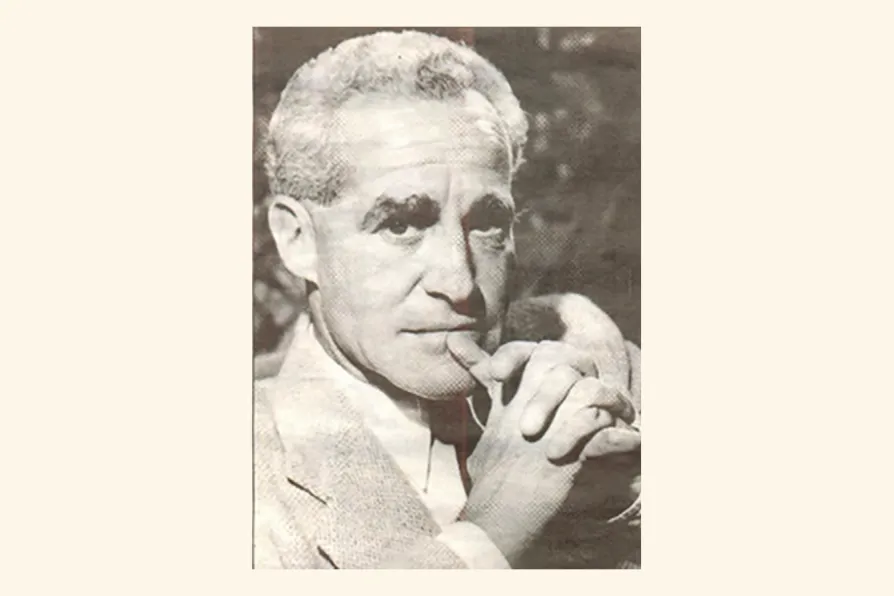
Paul MacGee of Manifesto Press invites you to a special launch on Saturday August 2.