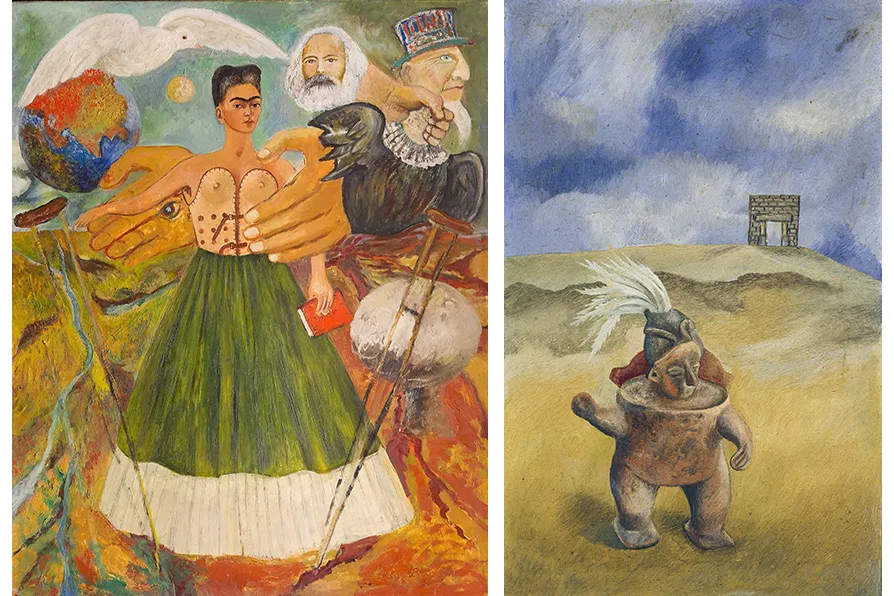
To rescue Kahlo from the clutches of the corporate art market, we need to acknowledge the overt and covert political dimensions of the work, demands GAVIN O’TOOLE


 Latest editorial
The ‘father of us all’
As artists like Picasso and Matisse recognised, Paul Cezanne's radical break with tradition was the seed for a new era of modern art, says CHRISTINE LINDEY
If you can see past the relentless commodification you will be rewarded by enormously powerful work, suggests JENNY MITCHELL
CHRIS SEARLE revels in the one-off collaboration between an American polymath and a British Muslim, and detects the presence of their revolutionary forebear
GORDON PARSONS revels in an ebullient production of Shakespeare’s magical comedy
BRENT CUTLER welcomes a thoughtful analysis of the Erdogan regime, viewed through the evolving history of a neighbourhood in Istanbul
GORDON PARSONS regrets the price, but is dazzled by an outstandingly ambitious study of the way art restoration in particular, and culture in general was weaponised by the Nazis



IN 1861 Paul Cezanne (1839-1906) arrived in Paris from Provence, then an unfashionable backwater, as a provincial outsider.
Combative and curmudgeonly, he was as vociferous an opponent of aesthetic orthodoxy as he was of Louis Napoleon’s undemocratic, corrupt Second Empire.
His art was so radical that he was in his sixties before a handful of admirers hailed its importance. He’d invented a new visual language which laid the foundation of modern art.
Similar stories
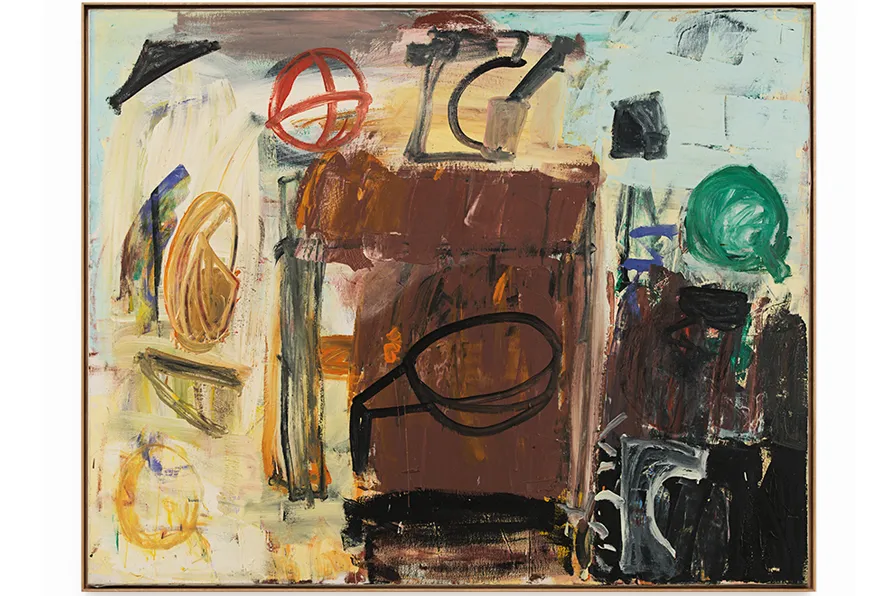
MIRANDA RICHMOND relishes the gloriously liberated art of Roy Oxlade, and traces his method back to the thinking of David Bomberg, his acknowledged teacher
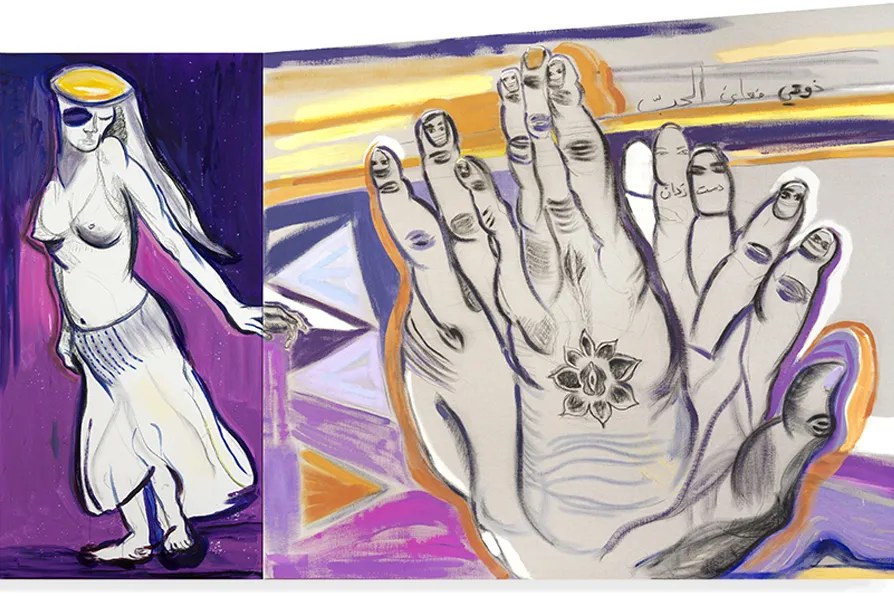
SIMON PARSONS applauds an artist who rescues and rehumanises stories of women, the victims of violence, from a feminist perspective
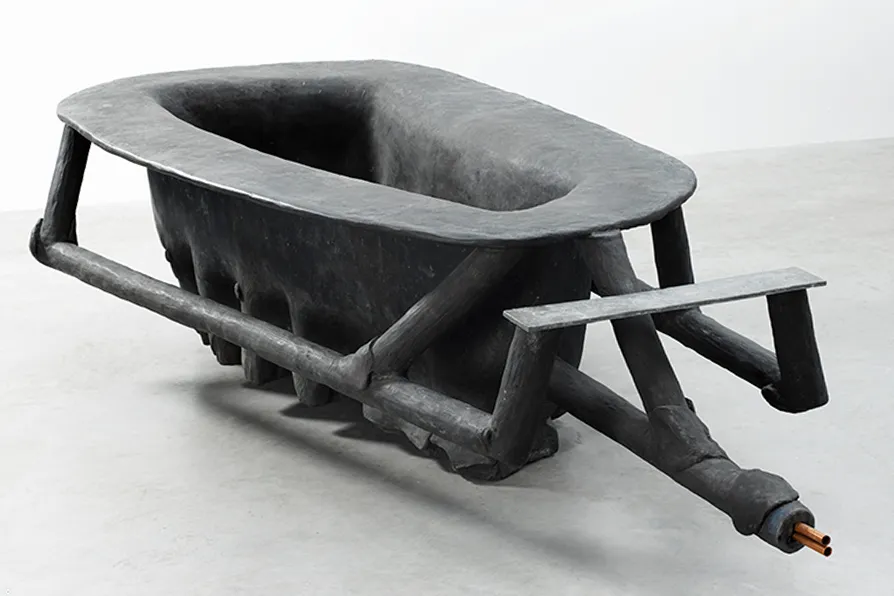
JAN WOOLF ponders the works and contested reputation of the West German sculptor and provocateur, who believed that everybody is potentially an artist
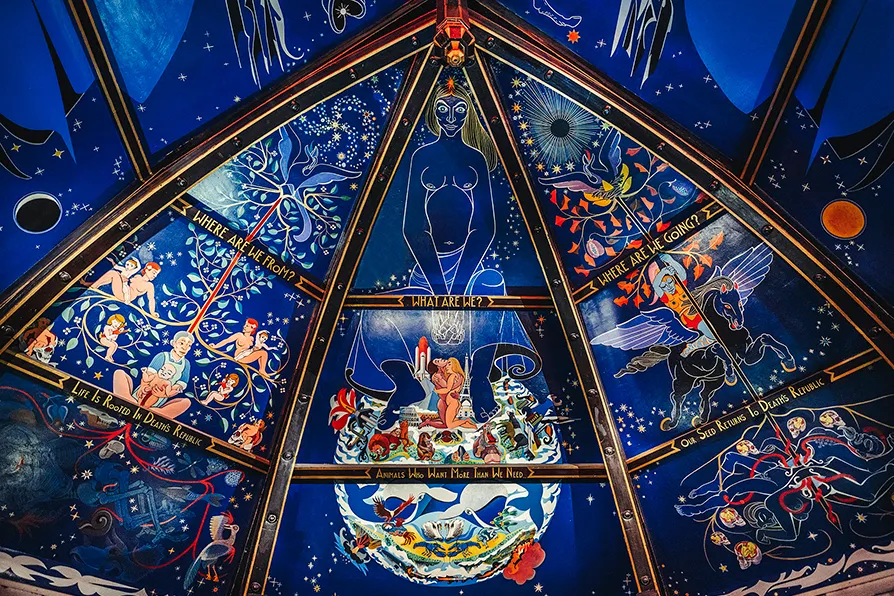
BLANE SAVAGE recommends the display of nine previously unseen works by the Glaswegian artist, novelist and playwright