To rescue Kahlo from the clutches of the corporate art market, we need to acknowledge the overt and covert political dimensions of the work, demands GAVIN O’TOOLE


 Latest editorial
How Charles I lost his head over his lust for the world's greatest art collection
There's another story to be told about the monarch's collection of masterpieces currently on show at the Royal Academy, says BREEZE BARRINGTON
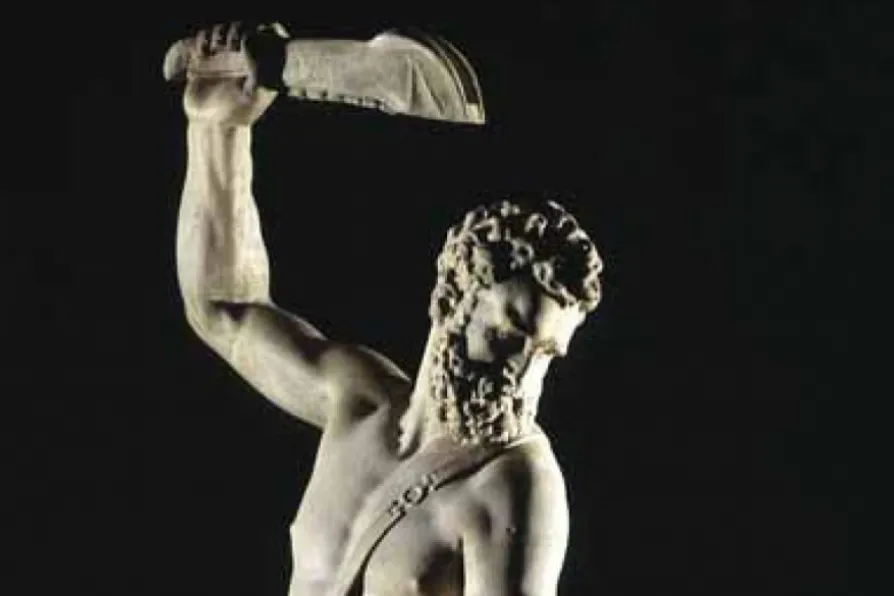 Plunder? Samson Slaying a Philistine by Giambologna c1562, V&A London
[Creative Commons]
Plunder? Samson Slaying a Philistine by Giambologna c1562, V&A London
[Creative Commons]
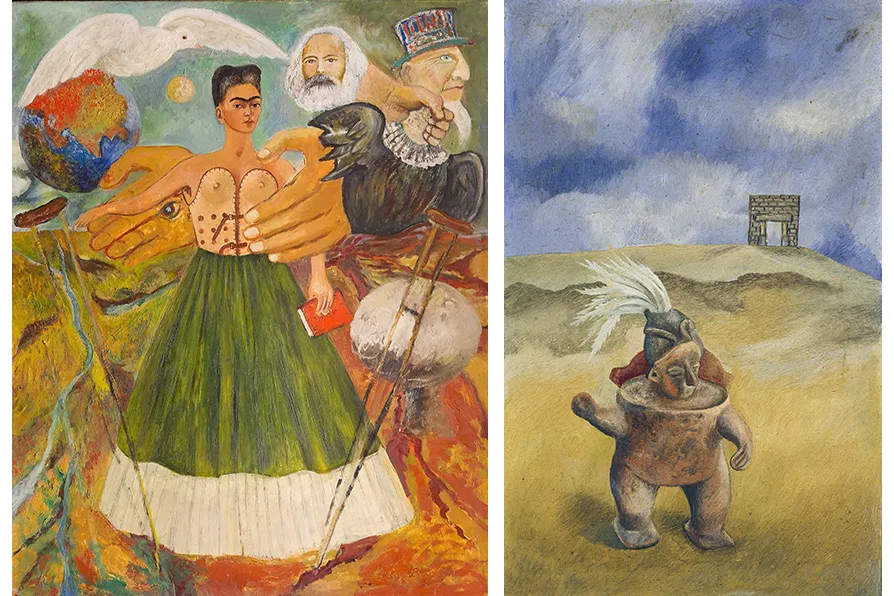
If you can see past the relentless commodification you will be rewarded by enormously powerful work, suggests JENNY MITCHELL
CHRIS SEARLE revels in the one-off collaboration between an American polymath and a British Muslim, and detects the presence of their revolutionary forebear
GORDON PARSONS revels in an ebullient production of Shakespeare’s magical comedy
BRENT CUTLER welcomes a thoughtful analysis of the Erdogan regime, viewed through the evolving history of a neighbourhood in Istanbul
GORDON PARSONS regrets the price, but is dazzled by an outstandingly ambitious study of the way art restoration in particular, and culture in general was weaponised by the Nazis





GREAT leaders like to demonstrate their power. These days it tends to be shows of military might and grand parades of state-of-the-art weaponry.
But Renaissance monarchs and nobles amassed huge collections of art, the better to show off their cultural sophistication. Charles I was no exception and the current exhibition at the Royal Academy indicates the extent of his obsession with collecting the finest art and artists, one which was ultimately to cost him his head.
Walk through Charles I: King and Collector, which represents only a small fraction of the Stuart king’s entire collection, and you can see how art functioned as a political display of power and magnificence.

Similar stories
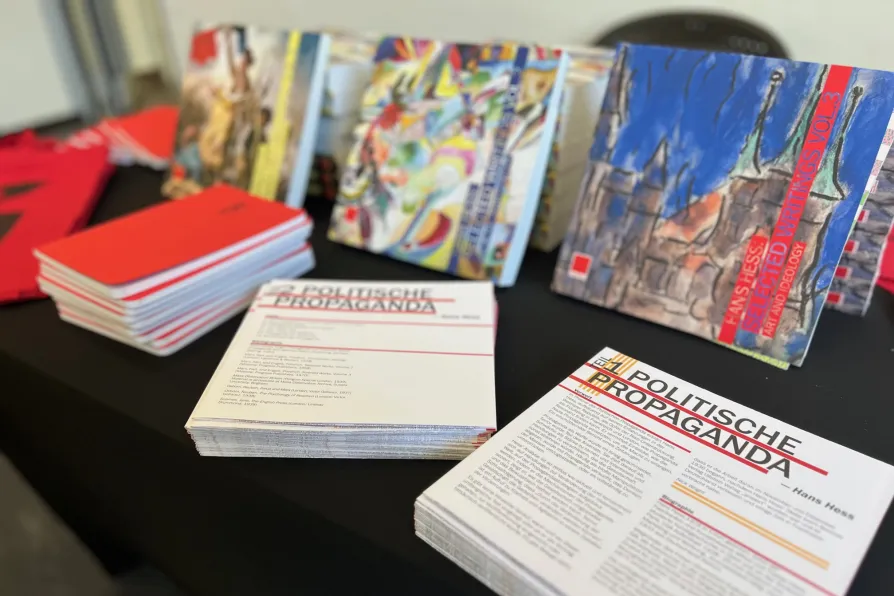
CHRISTOPHE IMMER of the Morning Star’s German sister paper Junge Welt reports on a Berlin conference on the politics of art and the legacy of Marxist critic Hans Hess
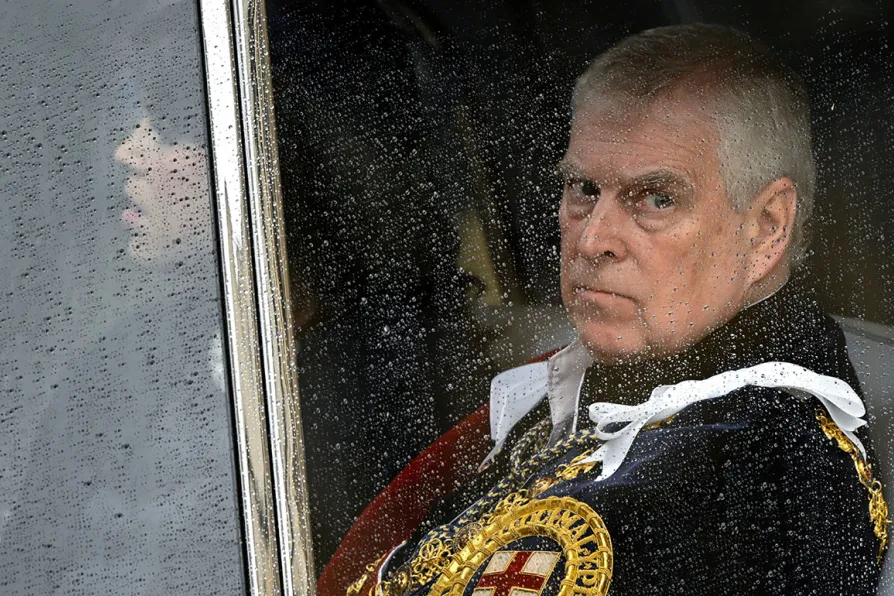
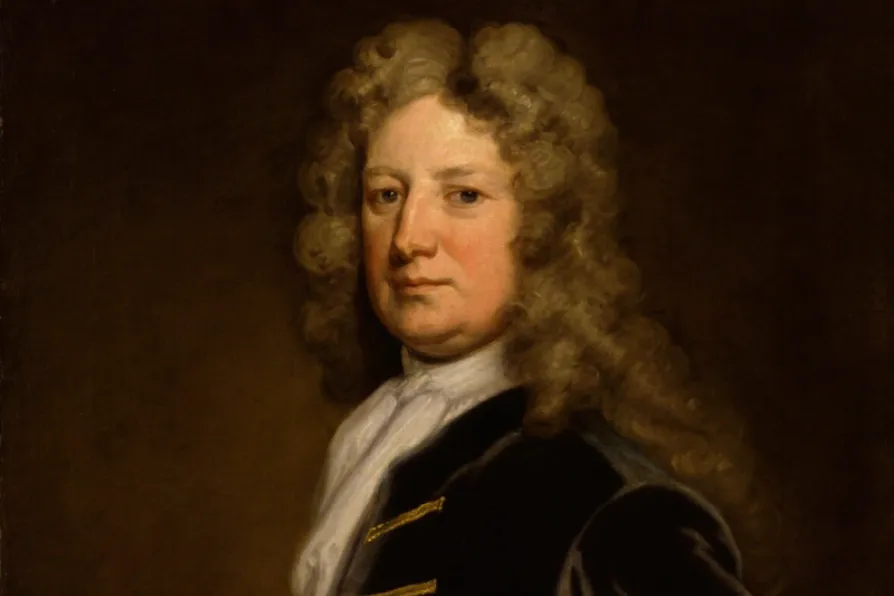
‘Honest’ Tom Wharton’s 1682 drunken rampage through St Mary’s church haunted his political career, but his satirical song Lillibullero helped topple Catholic James II during the Glorious Revolution, writes MAT COWARD