Once the bustling heart of Christian pilgrimage, Bethlehem now faces shuttered hotels, empty streets and a shrinking Christian community, while Israel’s assault on Gaza and the tightening grip of occupation destroy hopes of peace at the birthplace of Christ, writes Father GEOFF BOTTOMS


 Latest editorial
Error message
An error occurred while searching, try again later.
Violence against women is a trade union issue
Despite new legal duties and strong commitments from the TUC, employers – and the trade union movement itself – still need to take the crisis of violence against women more seriously, writes KIRI TUNKS of the FiLiA Trade Union Women’s Network
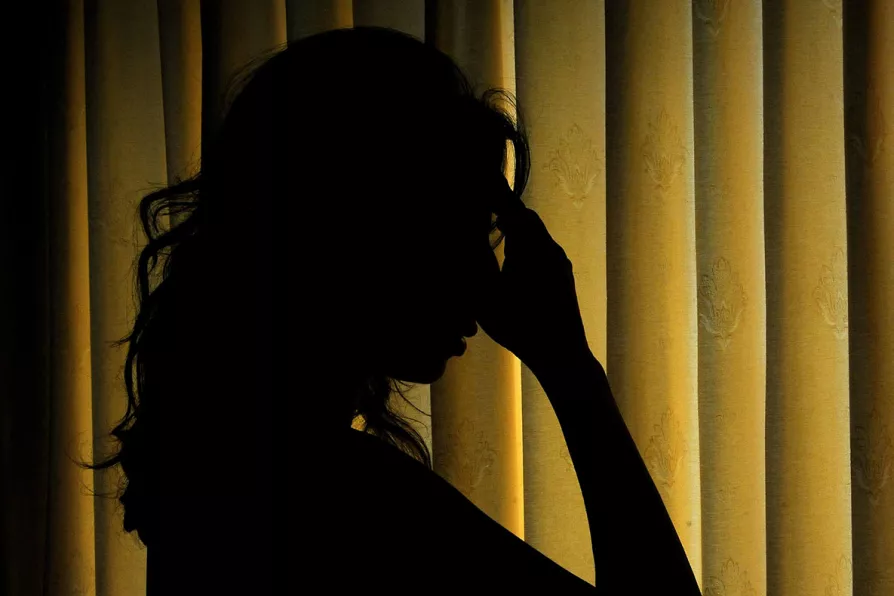 A woman showing signs of depression (picture posed by a model)
After years hidden away, Oldham’s memorial to six local volunteers who died fighting fascism in the Spanish civil war has been restored to public view, marking both a victory for campaigners and a renewed tribute to the town’s proud International Brigade heritage, says ROB HARGREAVES
The June 2025 attacks on Iran have heightened the risk of a wider war, exposed the fiction of a rules-based international order and left ordinary Iranians trapped between external aggression and internal repression, says the Committee for Defence of Iranian People’s Rights
While pretending to seek peace, Europe is heading toward a collision course with Russia – using security guarantees, troop deployments, expropriation and censorship as tools, writes SEVIM DAGDELEN
A WWI hero, renowned ornithologist, medical doctor, trade union organiser and founder member of the Communist Party of Great Britain all rolled in one. MAT COWARD tells the story of a life so improbable it was once dismissed as fiction
The long-term effects of chemical weapons such as Agent Orange mean that the impact of war lasts well beyond a ceasefire





IT IS clear from a casual search that unions in Britain understand that violence against women is endemic. Many union websites provide easily accessible guidance, toolkits and model policies. For example, there is Unison’s Sexual Harassment is a Workplace Issue and Usdaw’s Sexual Harassment — Call It Out or Unite’s Domestic Violence and Abuse Advice and Guidance and the NEU’s Domestic Abuse and Violence Workplace Toolkit.
After years of campaigning by unions and other organisations employers now have a legal duty to prevent sexual harassment in the workplace. The Worker Protection Act was implemented in 2024 and the Employment Rights Bill promises to strengthen these obligations further.
Both these developments build on the global work of the International Labour Organisation (ILO), specifically Convention 190, the first international treaty recognising “the right of everyone to a world of work free from violence and harassment, including gender-based violence and harassment.”
Despite these provisions, there is little evidence that employers are taking their new obligations seriously. In 2024 the United Nations declared that violence against women and girls in Britain is a national threat. This year shows no sign of improvement so whatever efforts are being made must be redoubled — and confronted within our own movement as well as in the workplace.
The TUC general council statement on tackling sexual harassment in the trade union movement is clear that it is women who are overwhelmingly affected by harassment and abuse. It outlines actions that all TUC affiliates should be taking to implement “meaningful and lasting culture change” and ensure such change is “ongoing and sustainable.”
The TUC statement calls for standalone anti-sexual harassment policies, codes of conduct and reporting routes, transparent and fair processes for handling reports, good remedies and preventative actions.
It is good to see the trade union movement recognising the issue and taking steps to challenge these behaviours and the structures and culture that enable them. But unless the TUC calls result in action nothing will change.
The trade union movement is not alone in this struggle. As the recent FiLiA report, Making Policy Work for Women, makes clear, attempts to tackle violence and abuse against women are failing:
- One in four women are subject to domestic abuse in their lifetimes and one women is killed by a man every three days. Women are 27 times more likely than men to experience online harassment and abuse. An estimated 121,000 women experience rape in England and Wales each year.
- Sexual harassment and violence in schools — one in six children are estimated to have been subjected to sexual abuse, with girls being three times more likely to experience it than boys. Almost a third of young women don’t feel safe at school.
- 71 per cent of women have experienced some form of sexual harassment in a public space with only 4 per cent of them reporting the incidents to an official body.
- Women from black and minoritised groups and disabled women are more likely to experience violence and face greater levels of disbelief and victim blaming.
The FiLiA report identifies some key failures including the failure to turn policy into reality; inconsistent data collection; the slow progress in addressing the harms of violent pornography; police-perpetrated violence within a culture of sexism, misogyny, racism, ableism and homophobia; inadequate funding for specialist women’s services over many years.
Violence against women is systemic, widely tolerated and enabled. The labour movement must be at the forefront of changing this so that home, work and public places are safe for women and girls.
We must make sure the actions outlined by the TUC are implemented. Trade unionists have been key in challenging injustice and oppression. It is time we did the same to end violence against women and girls.
For more information about the FiLiA Trade Union Network visit www.filia.org.uk.