As tens of thousands return to the streets for the first national Palestine march of 2026, this movement refuses to be sidelined or silenced, says PETER LEARY


 Latest editorial

A significant step in moving our fair work mission forward in Wales
The Social Partnership Bill represents a real opportunity, says SHAVANAH TAJ
 COMPARING NOTES: Labour Party leader Keir Starmer (centre) and First Minister of Wales Mark Drakeford (left) during a walkabout in Llangollen as part of Welsh Labour’s Senedd election campaign last Thursday

If the government really wanted to address public finances, improve living standards and begin economic recovery, it would increase its borrowing for investment, argues MICHAEL BURKE
MATT KERR takes a winter journey through poetry, labour and memory, from Glasgow to Newcastle, arguing that our radical past isn’t something to revere from a distance, but a tool still meant to be used
One of Canada’s most revered politicians is a native of Falkirk but is relatively unknown in his original homeland. KENNY MacASKILL tells his story
Labour prospects in May elections may be irrevocably damaged by Birmingham Council’s costly refusal to settle the year-long dispute, warns STEVE WRIGHT
HENRY FOWLER and ROB POOLE explain the significance of today’s Megapicket





PROGRESS on the Welsh government’s fair work agenda has been stop-start in the two years since the independent Fair Work Commission published its ambitious set of recommendations.
For the most part, the hurdles and delays have been linked to external events — a general election, Brexit, Covid — but nevertheless as a trade union movement we’ve been impatient to see the Welsh Labour administration in Cardiff go further and faster with the powers that it has at its disposal to tackle poor employment practices, inequality, and to strengthen worker power.
This desire for change is driven in Wales by the same trends seen elsewhere in the UK and beyond: a decade of stagnant wages and the sharp growth of insecure and precarious work.

Similar stories
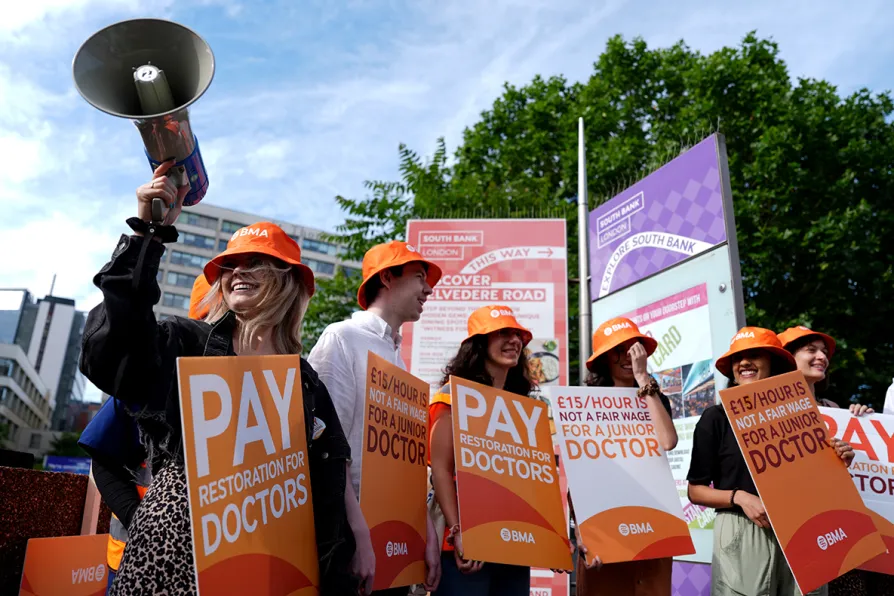
It is only trade union power at work that will materially improve the lot of working people as a class but without sector-wide collective bargaining and a right to take sympathetic strike action, we are hamstrung in the fight to tilt back the balance of power, argues ADRIAN WEIR
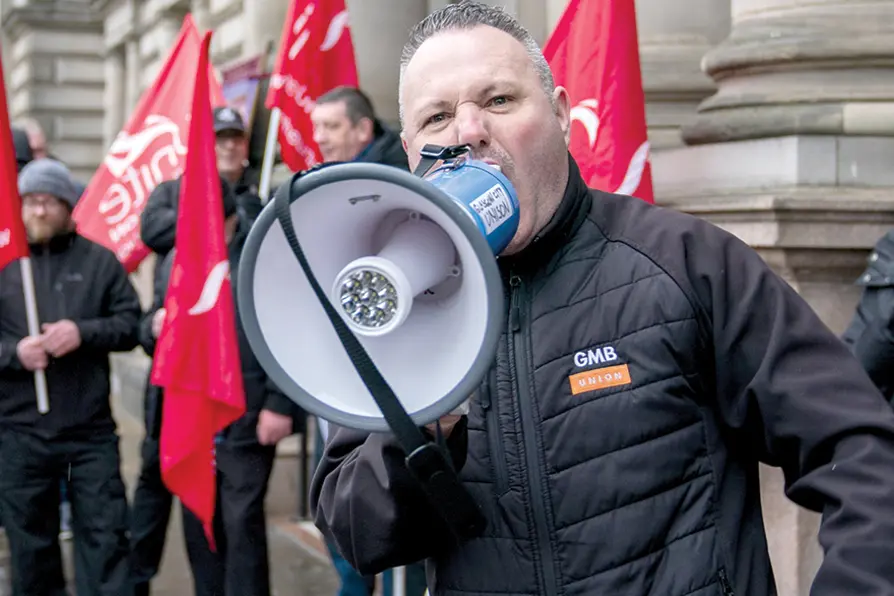
The Employment Rights Bill is a vital opportunity to rebalance power between workers and employers. As it passes to the Lords, pressure must be brought to bear to strengthen this key legislation, argues ANDY McDONALD MP

Persistent inequality for women shows we still have a long way to go, but Wales TUC leader SHAVANAH TAJ is confident we can build a fairer country when we work together

In order to defeat the far right, the left must set out a positive alternative – one that effectively addresses working people’s concerns, argues DAVID MORGAN