All the evidence shows voters want Labour to shift to the left — but initial signs from Andy Burnham are worrying on that front, cautions DIANE ABBOTT


 Latest editorial
Scotland’s observatories teach us to see in the dark
In June a major centre for stargazing in Scotland burnt to the ground, reminding us of the importance of making knowledge accessible to everyone, write ROX MIDDLETON, JOEL HELLEWELL and LIAM SHAW

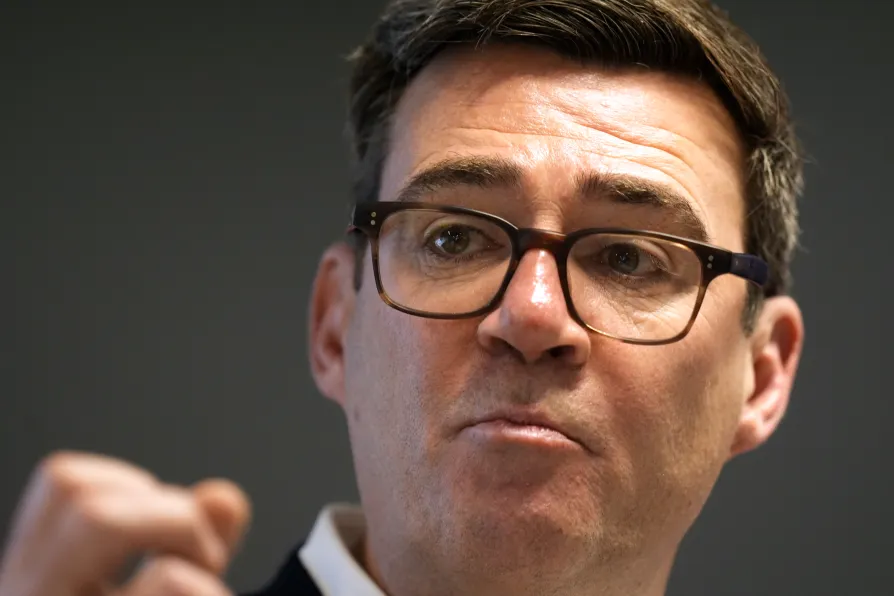
ANDY McDONALD MP says Labour must show it is capable of delivering real improvements in people’s lives — bold action is required
ANGUS REID and ANDREW JOHNSTONE report on an initiative that we must take this summer
ALLISON FEWTRELL on what Plaid Cymru's historic election victory means for the communities being failed by Wales’s housing crisis, and four things the new government can do right now
France Insoumise MP JEROME LEGAVRE speaks to Christophe Domec on building the Europe-wide peace movement that came together in the International Conference Against War last weekend
At last weekend’s International Conference Against War, LINDA PENTZ GUNTER talks to the Palestinian physician and politician about the struggles ahead to achieve a truly free Palestine





GAZING at the stars has been the source of inspiration for poetry, fortune-telling and mapping since prehistory.
Although now divorced for most people from the act of stargazing, the origin of much of modern science, and much cultural practice, from horoscopes to religion, lies in the observation of the positions of stars and planets.
These features of the night sky, since there have been humans to wonder at them, have inspired and informed us forever.

Similar stories
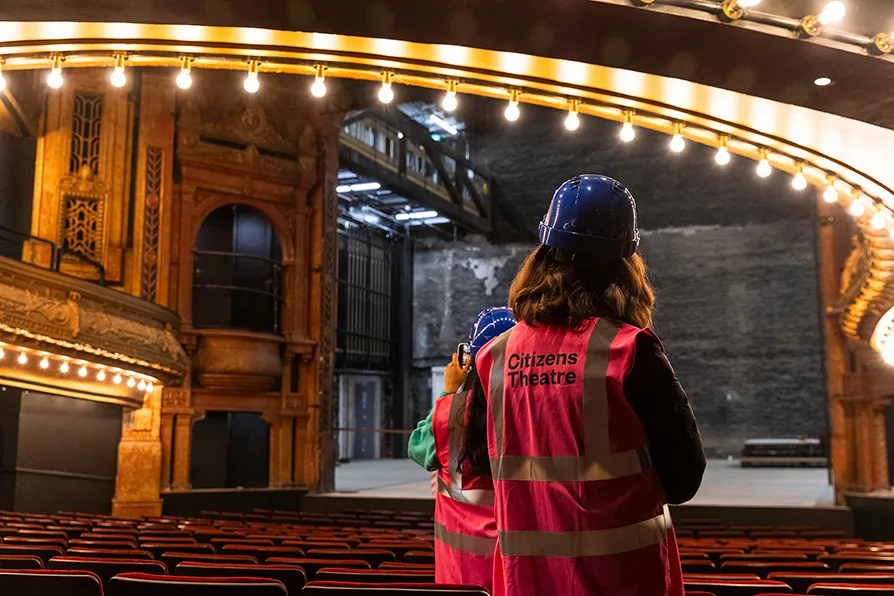
ANDREW FILMER welcomes the reopening of Glasgow’s landmark theatre after a seven-year transformation

JOHN GREEN is stirred by an ambitious art project that explores solidarity and the shared memory of occupation
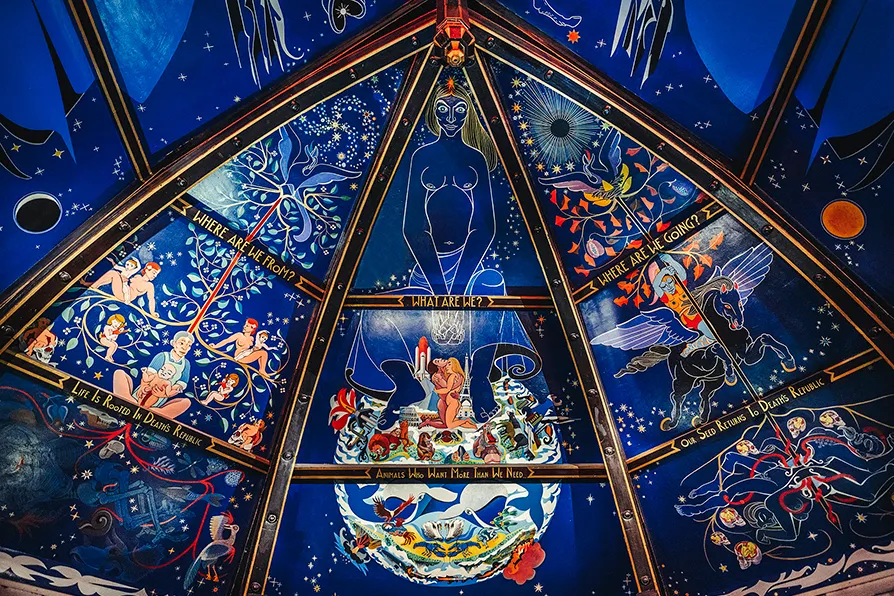
BLANE SAVAGE recommends the display of nine previously unseen works by the Glaswegian artist, novelist and playwright
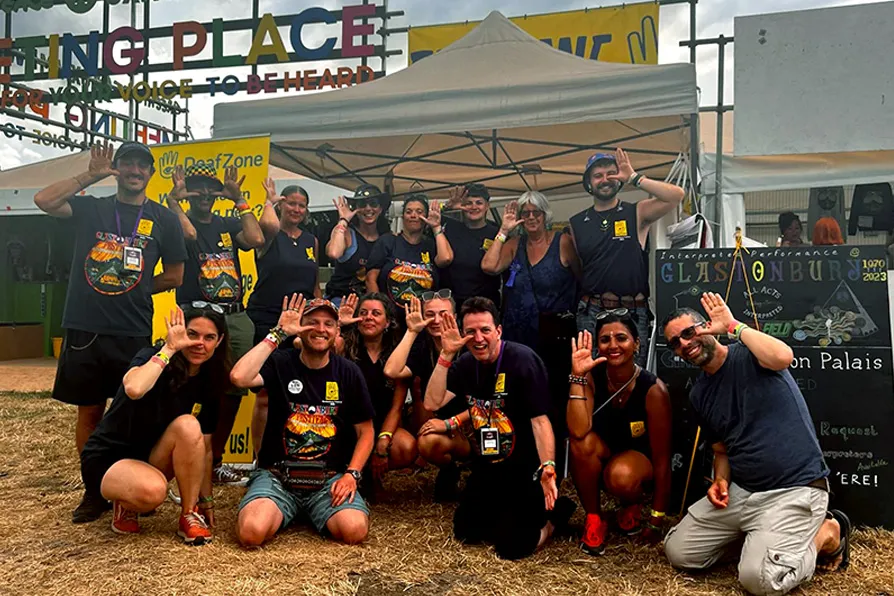
DAI O’BRIEN, one of the festival’s DeafZone co-ordinators explains