All the evidence shows voters want Labour to shift to the left — but initial signs from Andy Burnham are worrying on that front, cautions DIANE ABBOTT


 Latest editorial
Afghanistan, graveyard of the empires
Drawing on his own experiences travelling the country during its 14 years of socialism under siege, NICK WRIGHT writes that the idea of Afghanistan as an ungovernable maelstrom of chaos is a purely the creation of Western imperialism
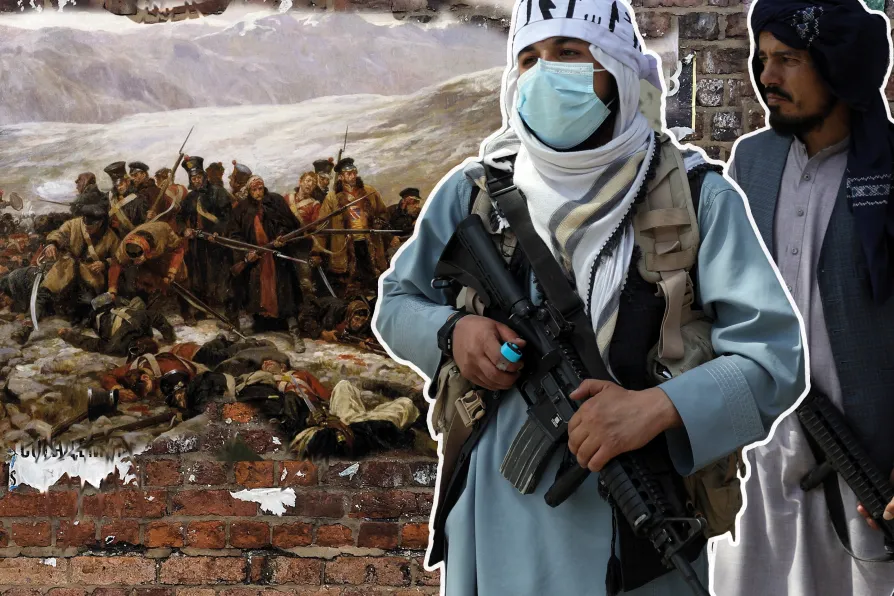 The air raids, drone strikes and military excursions over the years have embittered Afghans to the various occupying powers and in many cases government forces and clan militias swiftly reached local deals, essentially power-sharing arrangements which reflect long-standing local realities

ANDY McDONALD MP says Labour must show it is capable of delivering real improvements in people’s lives — bold action is required
ANGUS REID and ANDREW JOHNSTONE report on an initiative that we must take this summer
ALLISON FEWTRELL on what Plaid Cymru's historic election victory means for the communities being failed by Wales’s housing crisis, and four things the new government can do right now
France Insoumise MP JEROME LEGAVRE speaks to Christophe Domec on building the Europe-wide peace movement that came together in the International Conference Against War last weekend
At last weekend’s International Conference Against War, LINDA PENTZ GUNTER talks to the Palestinian physician and politician about the struggles ahead to achieve a truly free Palestine





“A WAR begun for no wise purpose, carried on with a strange mixture of rashness and timidity, brought to a close after suffering and disaster, without much glory attached either to the government which directed, or the great body of troops which waged it. Not one benefit, political or military, was acquired with this war. Our eventual evacuation of the country resembled the retreat of an army defeated.”
Thus, in 1843, GR Grieg, chaplain to the British Army wrote of the empires’s catastrophic defeat in the First Afghan War as an expeditionary force of 4,500 military personnel and over 12,000 camp followers fled Kabul to Jalalabad. Barely a handful survived.
The regional balance of power fell to the Russian empire and in 1878, the British invaded again and again in 1897. Britain went to war in Afghanistan again in 1919.

Similar stories
Washington’s response to a downed jet shows a superpower still reaching for overwhelming force even as its wars repeatedly fail, says NICK WRIGHT

Afghan women living under the Taliban are navigating a system that makes their public existence conditional on male approval, writes SHUKRIA RAHIMI
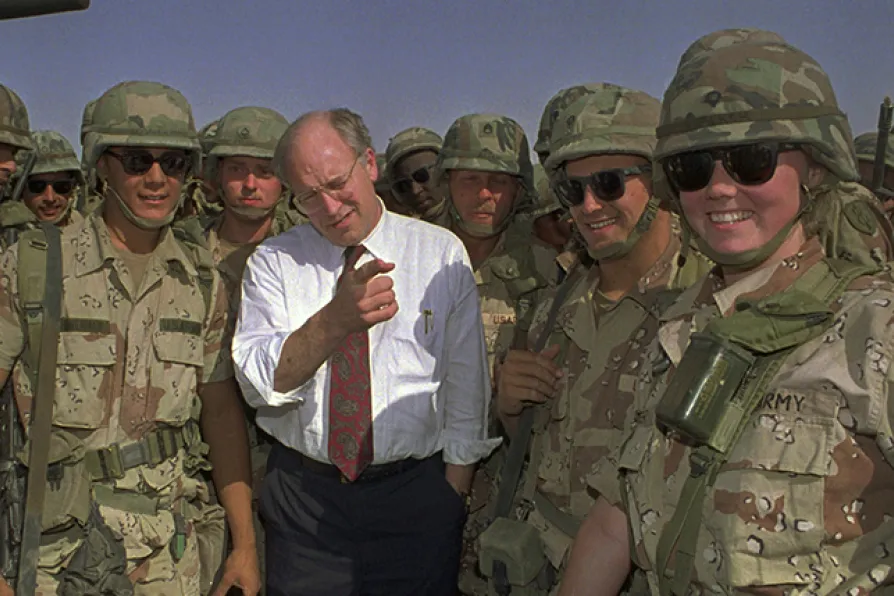
ANDREW MURRAY looks back on the ignominious career of the former US vice-president, who died earlier this week