All the evidence shows voters want Labour to shift to the left — but initial signs from Andy Burnham are worrying on that front, cautions DIANE ABBOTT


 Latest editorial
I am not a robot: PhD students and exploitation
The majority of scientific research is carried out by PhD students who are not paid wages but a 'stipend' of £15,609 — and this year's increase is not in line with inflation — ROX MIDDLETON, LIAM SHAW and JOEL HELLEWELL report on their plight

ANDY McDONALD MP says Labour must show it is capable of delivering real improvements in people’s lives — bold action is required
ANGUS REID and ANDREW JOHNSTONE report on an initiative that we must take this summer
ALLISON FEWTRELL on what Plaid Cymru's historic election victory means for the communities being failed by Wales’s housing crisis, and four things the new government can do right now
France Insoumise MP JEROME LEGAVRE speaks to Christophe Domec on building the Europe-wide peace movement that came together in the International Conference Against War last weekend
At last weekend’s International Conference Against War, LINDA PENTZ GUNTER talks to the Palestinian physician and politician about the struggles ahead to achieve a truly free Palestine





FOR those of us that believe that people are the future of humanity, robots and machines present a challenge — and an ambivalent prospect. The industrial revolution, in which machines were introduced on a huge scale, changed the relationship of the working and capitalist classes, as well as the relationship between workers and their labour.
The invention of machines has in some ways improved the quality of human lives. However, the net benefit seems impossible to calculate: machines are used, in practice, not to improve lives, but to increase capital. Today billions live half-controlled by machines.
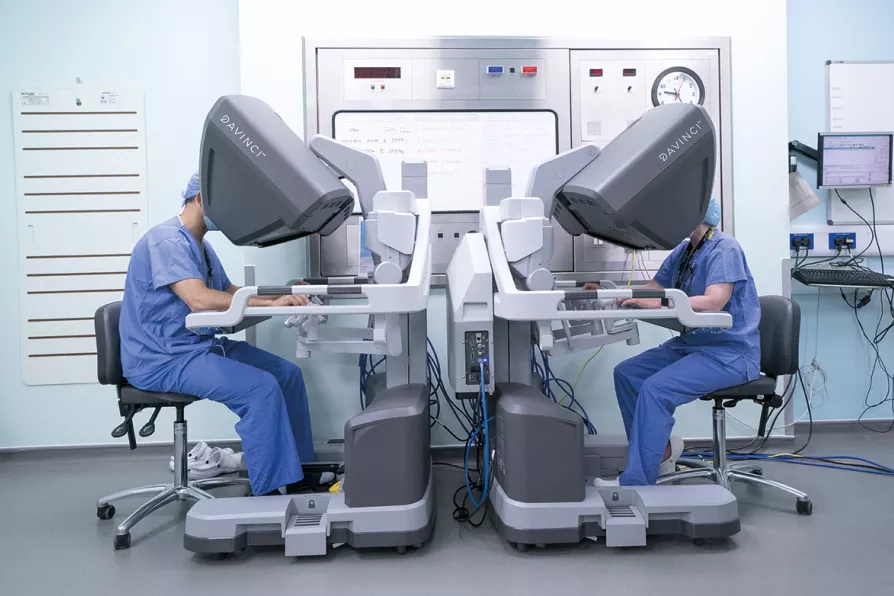
In our last column, we discussed the consequences of automation applied to personal communication in the form of chat bots. Robots of all forms are also big news in the practice of science.

Similar stories

In the second and final part of his article MIKE SCOTT posits that if we don’t control AI while we’ve got the chance, we could be signing the death warrant for our children and grandchildren
MIKE SCOTT assesses the AI threat to jobs in the first of a pair of articles on the problems it poses
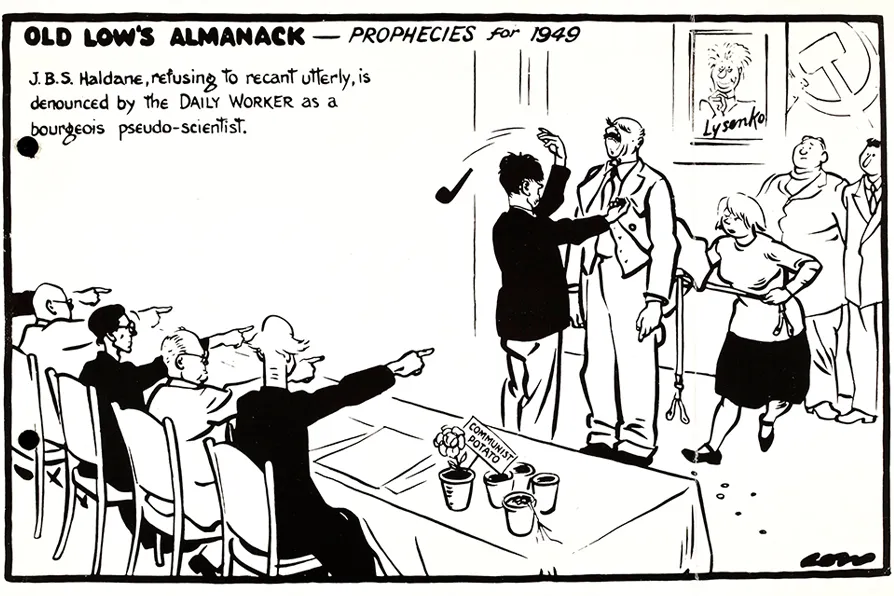
JOHN GREEN’s palate is tickled by useful information leavened by amusing and unusual anecdotes, incidental gossip and scare stories
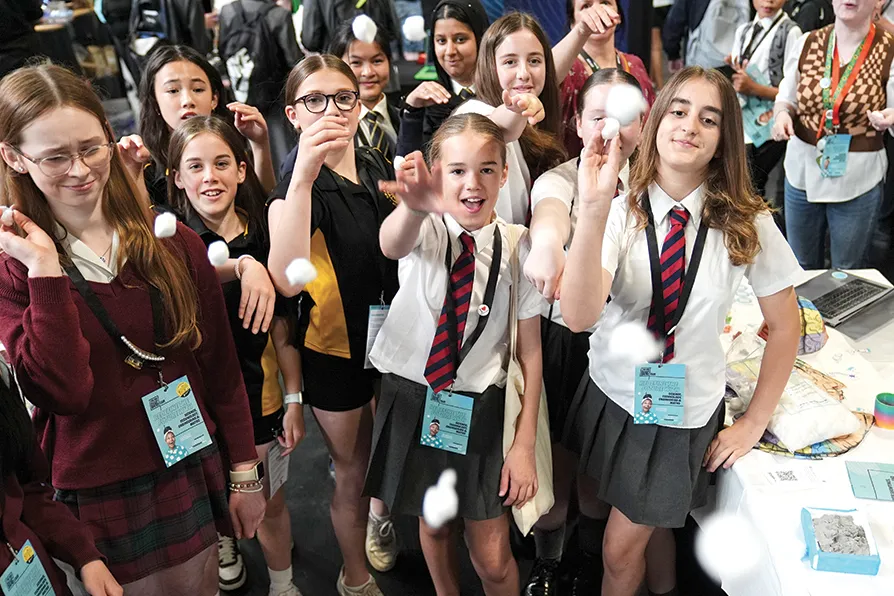
What’s behind the stubborn gender gap in Stem disciplines ask ROX MIDDLETON, LIAM SHAW and MIRIAM GAUNTLETT in their column Science and Society