All the evidence shows voters want Labour to shift to the left — but initial signs from Andy Burnham are worrying on that front, cautions DIANE ABBOTT


 Latest editorial
Outsourcing is a public health hazard
It is clear that the shoddy employment practices of the management companies operating in the NHS are putting us all at risk. We need to take all workers back in house today, writes HELEN O'CONNOR

ANDY McDONALD MP says Labour must show it is capable of delivering real improvements in people’s lives — bold action is required
ANGUS REID and ANDREW JOHNSTONE report on an initiative that we must take this summer
ALLISON FEWTRELL on what Plaid Cymru's historic election victory means for the communities being failed by Wales’s housing crisis, and four things the new government can do right now
France Insoumise MP JEROME LEGAVRE speaks to Christophe Domec on building the Europe-wide peace movement that came together in the International Conference Against War last weekend
At last weekend’s International Conference Against War, LINDA PENTZ GUNTER talks to the Palestinian physician and politician about the struggles ahead to achieve a truly free Palestine





IT should be obvious that hospitals have the potential to harbour far more germs and disease than most other public buildings. People are admitted to hospital when they are suffering from contagious disease themselves. Hospital patients are susceptible to contracting infections and they can go on to develop additional health complications as a result of increased physical vulnerability.
Preventing cross-infection in hospitals is not only key to patient recovery, it is key to protecting the workforce, so rigorous infection control should be an integral part of the running of a hospital. No-one wants hospital staff to be off sick unnecessarily or for patients or hospital staff to die from hospital-acquired infections. No patient should ever be discharged from a hospital in a worse state than when they were admitted.
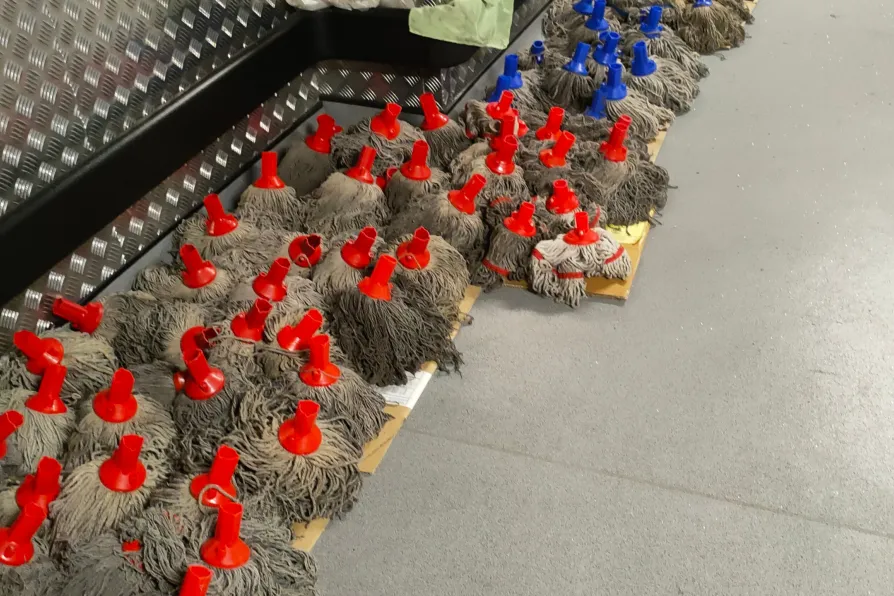
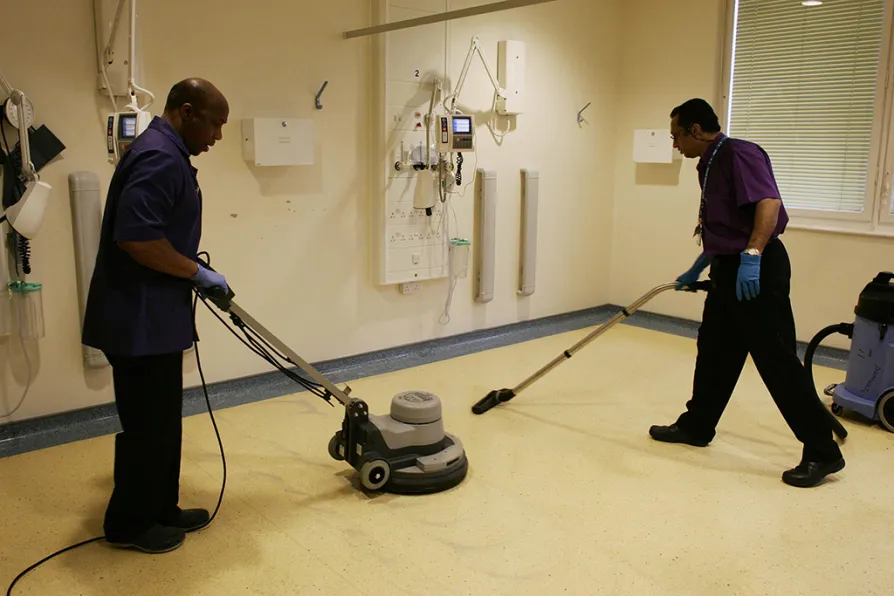
The result of years of outsourcing of hospital cleaning means that staff, patients and the public can no longer feel confident that hospitals are cleaned as thoroughly as they should be. When some cleaning staff took up voluntary redundancy at St Georges hospital in 2019, GMB Union was shown pictures of the accumulating dirt and filth including rolls of dust building up underneath hospital beds on wards.
Similar stories
The election offers a critical chance to shape the future of pay, care and community provision in Wales, says Unison’s JESS TURNER