To rescue Kahlo from the clutches of the corporate art market, we need to acknowledge the overt and covert political dimensions of the work, demands GAVIN O’TOOLE


 Latest editorial
Letters from Latin America: March 14, 2023
LEO BOIX reviews a gripping memoir by Salvadorian American poet and activist Javier Zamora
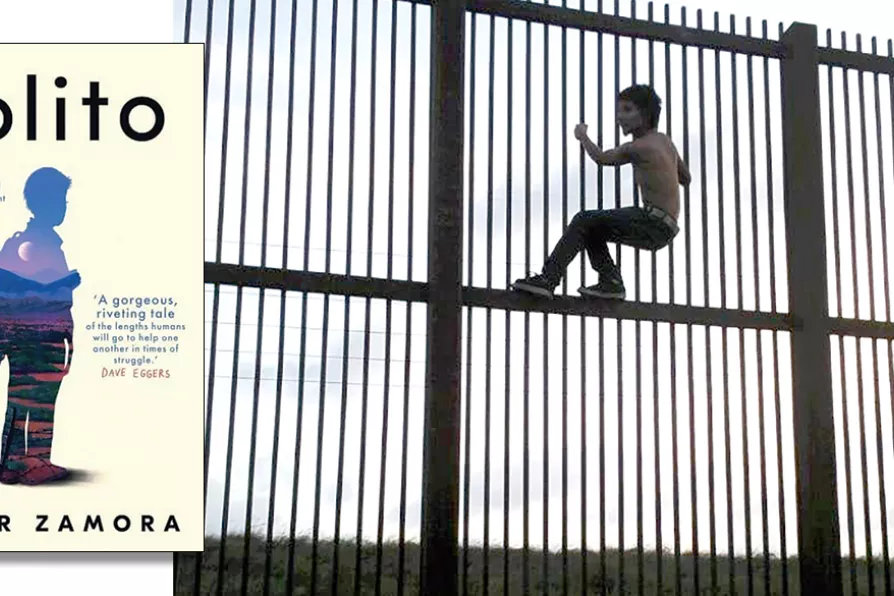 Immigrant child attempt to cross into US near Brownsville, Texas
[Nofx221984/CC]
Immigrant child attempt to cross into US near Brownsville, Texas
[Nofx221984/CC]
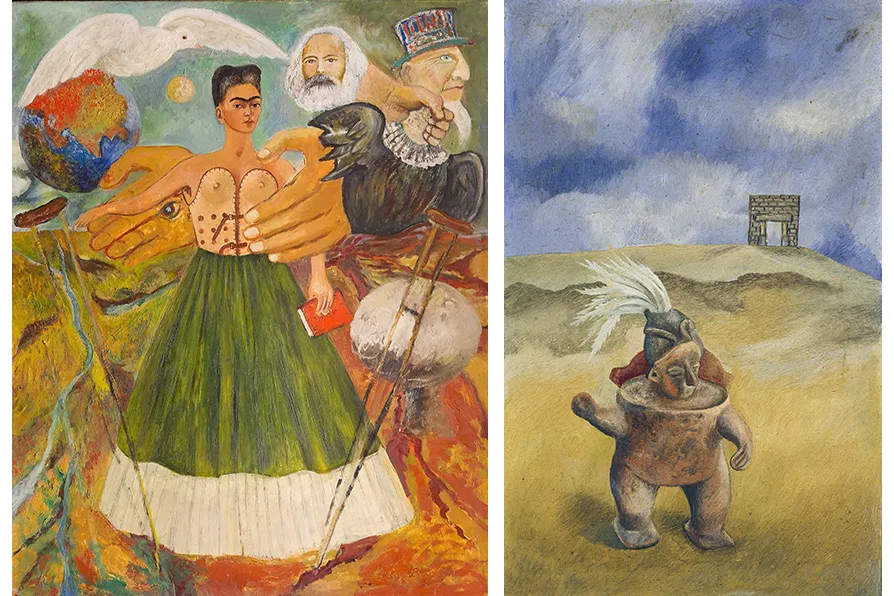
If you can see past the relentless commodification you will be rewarded by enormously powerful work, suggests JENNY MITCHELL
CHRIS SEARLE revels in the one-off collaboration between an American polymath and a British Muslim, and detects the presence of their revolutionary forebear
GORDON PARSONS revels in an ebullient production of Shakespeare’s magical comedy
BRENT CUTLER welcomes a thoughtful analysis of the Erdogan regime, viewed through the evolving history of a neighbourhood in Istanbul
GORDON PARSONS regrets the price, but is dazzled by an outstandingly ambitious study of the way art restoration in particular, and culture in general was weaponised by the Nazis





MILLIONS of migrants from Guatemala, Honduras, El Salvador and Nicaragua have been displaced for decades due to violence, poverty, lack of employment or other threats such as disasters, many of them making the perilous journey to cross into the US.
In desperation, thousands of vulnerable people moved and are still moving north through irregular channels, facing along the way bureaucratic barriers, and suffering accidents and injuries, extortion and sexual violence, many disappearing and being separated from their families. Others are tortured, killed or die from diseases or the harsh conditions they face during their journeys.
Solito (Oneworld, £18.99) by Salvadorian American poet and activist Javier Zamora vividly recounts the author’s memories as a nine-year-old boy nicknamed Chepito, in his treacherous journey to reach the US to rejoin his parents, who had left El Salvador separately a few years earlier due to the civil war and lack of jobs in their home country.

Similar stories
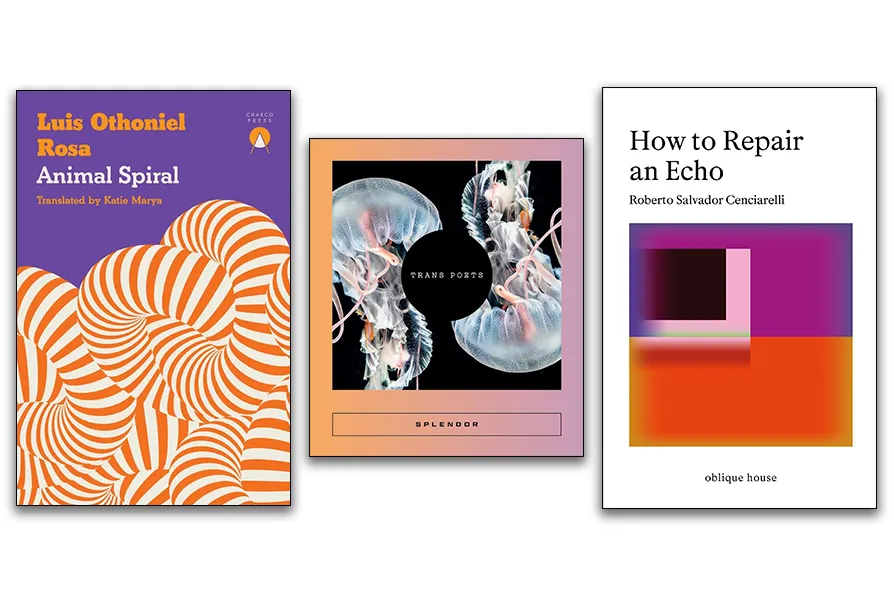
From post-human revolution in Puerto Rico to trans poetics and queer mythmaking, these three books that imagine new ways of being together

MARJORIE MAYO welcomes an account of family life after Oscar Wilde, a cathartic exercise, written by his grandson
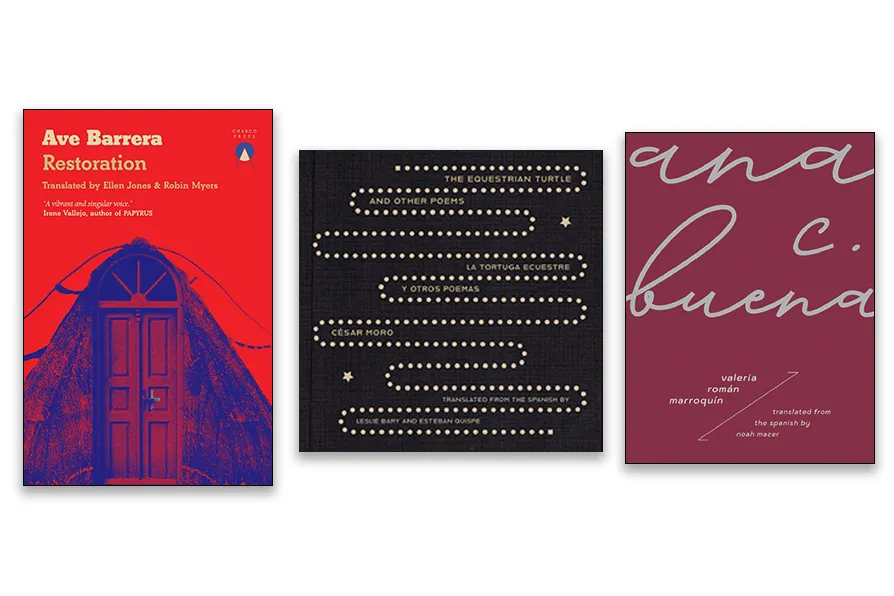
A ghost story by Mexican Ave Barrera, a Surrealist poetry collection by Peruvian Cesar Moro, and a manifesto-poem on women’s labour and capitalist havoc by Peruvian Valeria Roman Marroquin

FRANCISCO DOMINGUEZ says the US’s bullying conduct in what it considers its backyard is a bid to reassert imperial primacy over a rising China — but it faces huge resistance