All the evidence shows voters want Labour to shift to the left — but initial signs from Andy Burnham are worrying on that front, cautions DIANE ABBOTT


 Latest editorial
Moving pictures
ROX MIDDLETON and LIAM SHAW examine the early scientific investigations that enabled film to become an artistic medium
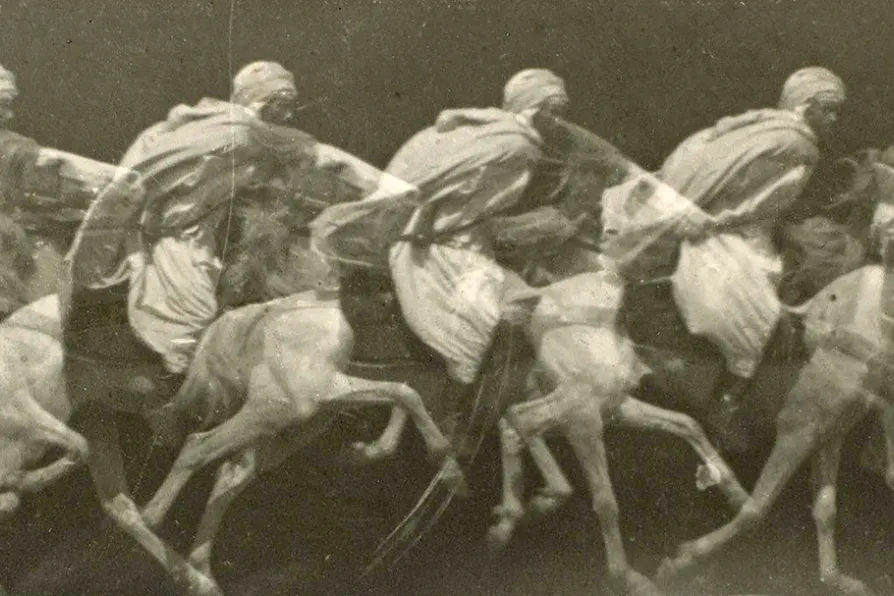 PRELUDE TO INDIANA JONES: (Above) Eadweard Muybridge: Arab Horse Gallup, 1887
[Public Domain]
PRELUDE TO INDIANA JONES: (Above) Eadweard Muybridge: Arab Horse Gallup, 1887
[Public Domain]
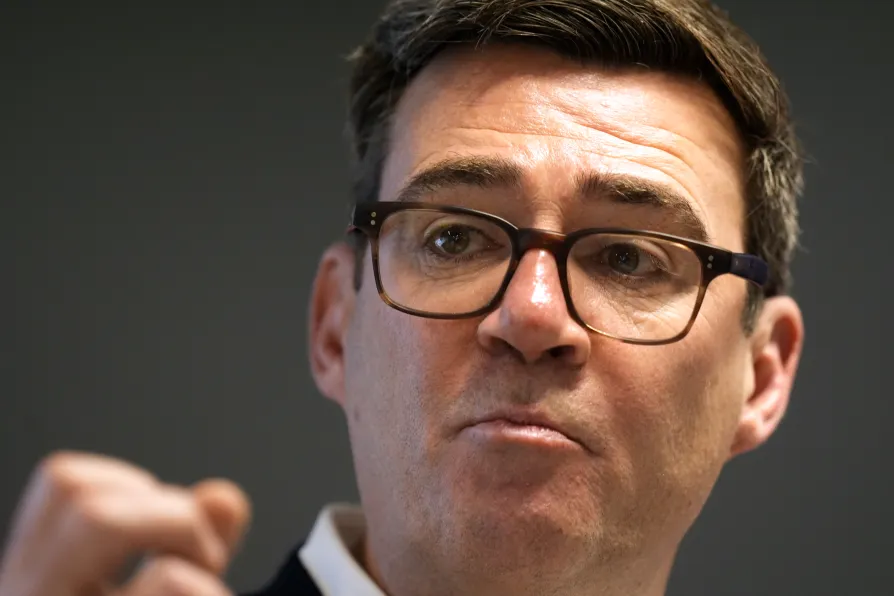
ANDY McDONALD MP says Labour must show it is capable of delivering real improvements in people’s lives — bold action is required
ANGUS REID and ANDREW JOHNSTONE report on an initiative that we must take this summer
ALLISON FEWTRELL on what Plaid Cymru's historic election victory means for the communities being failed by Wales’s housing crisis, and four things the new government can do right now
France Insoumise MP JEROME LEGAVRE speaks to Christophe Domec on building the Europe-wide peace movement that came together in the International Conference Against War last weekend
At last weekend’s International Conference Against War, LINDA PENTZ GUNTER talks to the Palestinian physician and politician about the struggles ahead to achieve a truly free Palestine





THIS week is the second week of the BFI London Film Festival, a chance for those in London to see films that they might not otherwise get to see in a cinema in Britain.
Unlike other film festivals, London Film Festival is a public festival, being largely aimed at bringing the public into the films, rather than (like for example in Cannes) being for largely aimed at professionals in the film industry, such as Cannes. At its best, film offers a chance for people to see and think about cultures and perspectives outside of their own.
The science of movies, it might be assumed, lies mostly in the inventions of cinematography: the cameras, films, microphones, projectors that make the recording of movies possible. Certainly, advances in camera and projector technology have made a difference to what is possible.

Similar stories
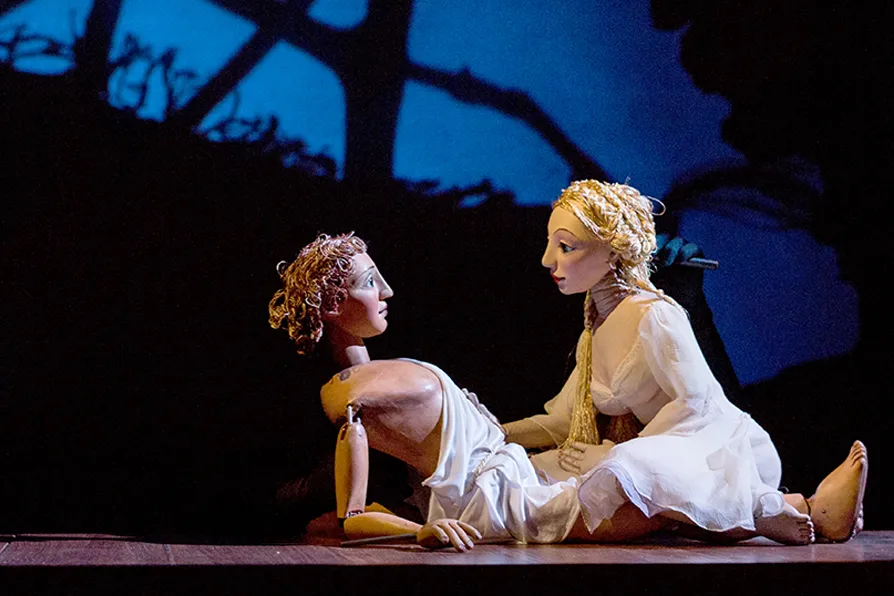
GEORGE FOGARTY is dazzled by a breathtakingly skillful puppet version of Shakespeare’s greatest love poem
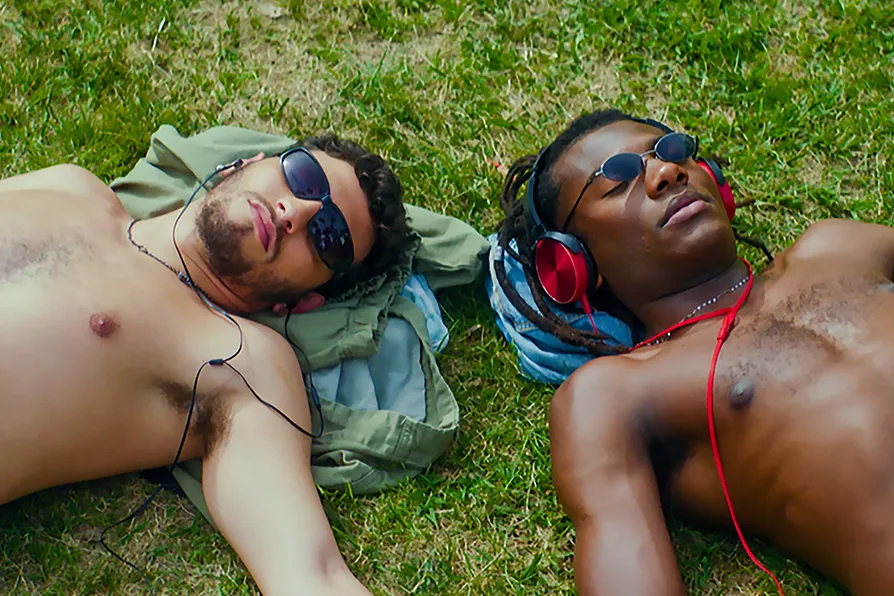
LEO BOIX, ANGUS REID and MARIA DUARTE review Night Stage, Two Women, Kim Novak’s Vertigo, and Fuze

If true, the photo’s history is a damning indictment of the systematic exploitation of non-Western journalists by Western media organisations – a pattern that persists today, posit KATE CANTRELL and ALISON BEDFORD
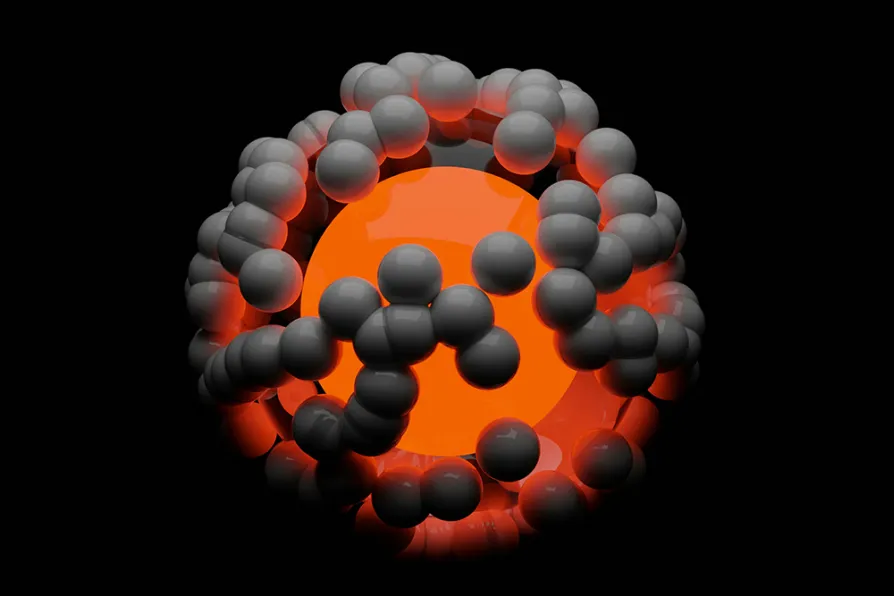
Neutrinos are so abundant that 400 trillion pass through your body every second. ROX MIDDLETON, LIAM SHAW and MIRIAM GAUNTLETT explain how scientists are seeking to know more about them