All the evidence shows voters want Labour to shift to the left — but initial signs from Andy Burnham are worrying on that front, cautions DIANE ABBOTT


 Latest editorial
Local elections were a disaster for the Tories – and bad news for Labour
After 14 years of Tory rule there's little enthusiasm for Starmer and his menu of reheated Thatcherism, writes CLAUDIA WEBBE
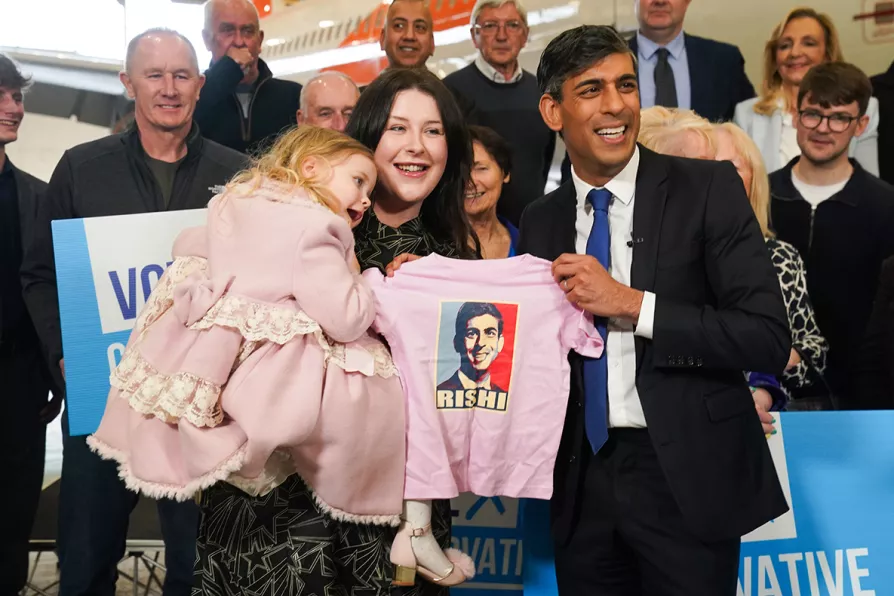 Prime Minister Rishi Sunak greets supporters in Teesside celebrating Lord Ben Houchen's re-election as Tees Valley Mayor, May 3, 2024

ANDY McDONALD MP says Labour must show it is capable of delivering real improvements in people’s lives — bold action is required
ANGUS REID and ANDREW JOHNSTONE report on an initiative that we must take this summer
ALLISON FEWTRELL on what Plaid Cymru's historic election victory means for the communities being failed by Wales’s housing crisis, and four things the new government can do right now
France Insoumise MP JEROME LEGAVRE speaks to Christophe Domec on building the Europe-wide peace movement that came together in the International Conference Against War last weekend
At last weekend’s International Conference Against War, LINDA PENTZ GUNTER talks to the Palestinian physician and politician about the struggles ahead to achieve a truly free Palestine





LAST WEEK’S local election results were widely and rightly portrayed as a disaster for the Conservatives and a sign that Britain is desperate for change.
Rishi Sunak’s party lost more than half the seats it was trying to hold, along with a slew of councils and mayoral contests — and lost heavily even in mayoral contests it managed to defend, such as Tees Valley. But in fact, the Tories only went backward slightly in terms of overall vote share compared to their already-poor performance, with “national equivalent vote” predictions putting the Tories on 27 per cent.
But while the results showed clearly that British voters want change, there was no landslide to Labour. While Keir Starmer’s party picked up seats, according to political scientist John Curtice, the party went backwards compared to a year ago and recent polling giving Labour as much as 47 per cent of the Westminster vote turned into a projected 34 per cent when voters went to the actual ballot box, just 7 per cent ahead of the Tories. On the equivalent measure, Tony Blair’s Labour was more than 20 points ahead of the Tories in 1995, before the 1997 general election landslide.

Similar stories
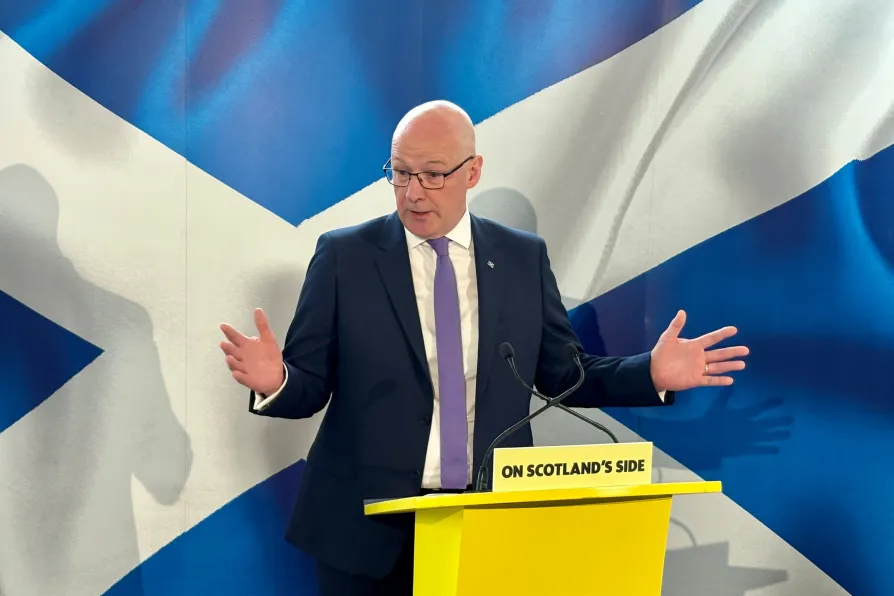
The new Scottish Parliament looks set to continue a cycle of managerial tinkering while public services face the axe, writes STEPHEN LOW

CLAUDIA WEBBE argues that Labour gains nothing from its adoption of right-wing stances on immigration, and seems instead to be deliberately paving the way for the far right to become an established force in British politics, as it has already in Europe
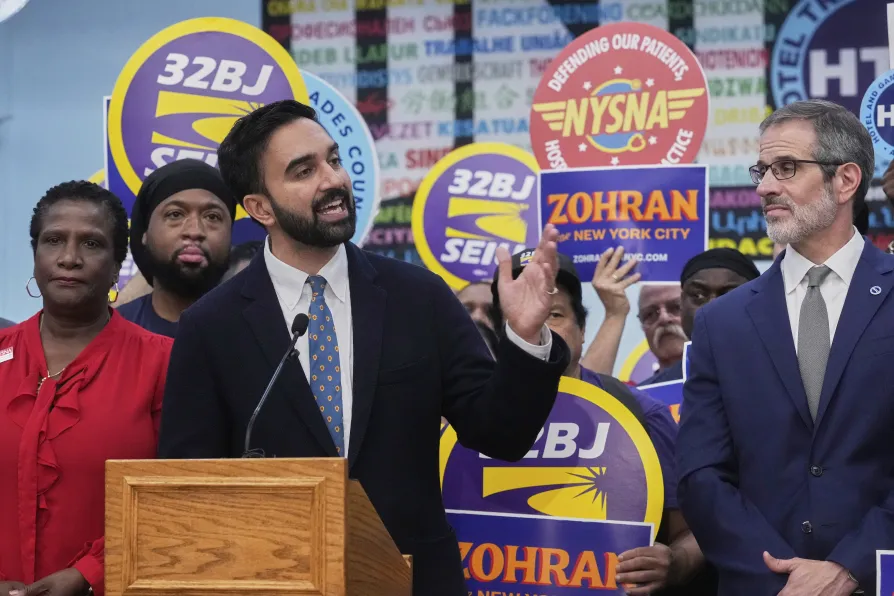
The New York mayoral candidate has electrified the US public with policies of social justice and his refusal to be cowed. We can follow his example here, writes CLAUDIA WEBBE
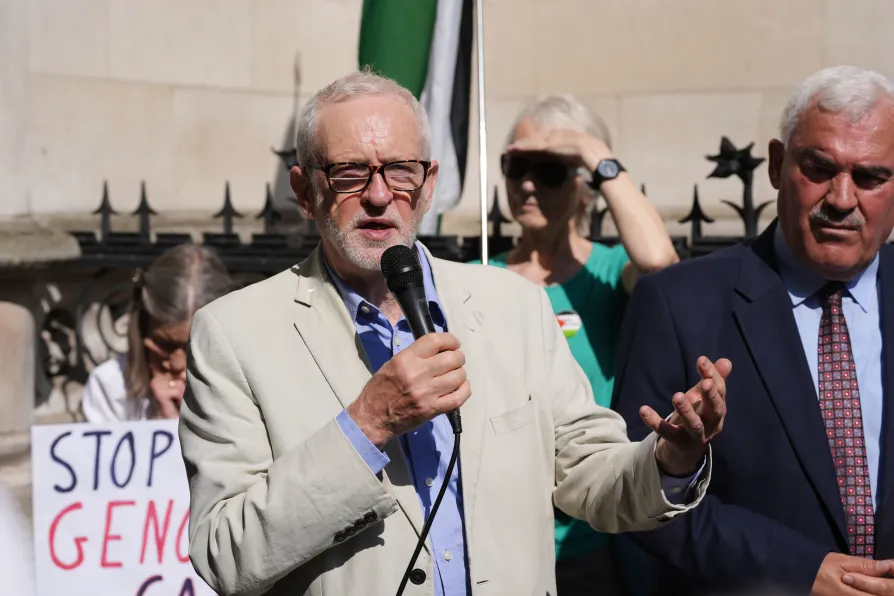
While Reform poses as a workers’ party, a credible left alternative rooted in working-class communities would expose their sham — and Corbyn’s stature will be crucial to its appeal, argues CHELLEY RYAN