All the evidence shows voters want Labour to shift to the left — but initial signs from Andy Burnham are worrying on that front, cautions DIANE ABBOTT


 Latest editorial
Another dimension to the Tolpuddle story: colonialism
KEITH FLETT uncovers the links between Dorset landowners, Caribbean plantations, slavery and the prosecution of trade unionists, revealing a darker side to the Tolpuddle Martyrs’ story
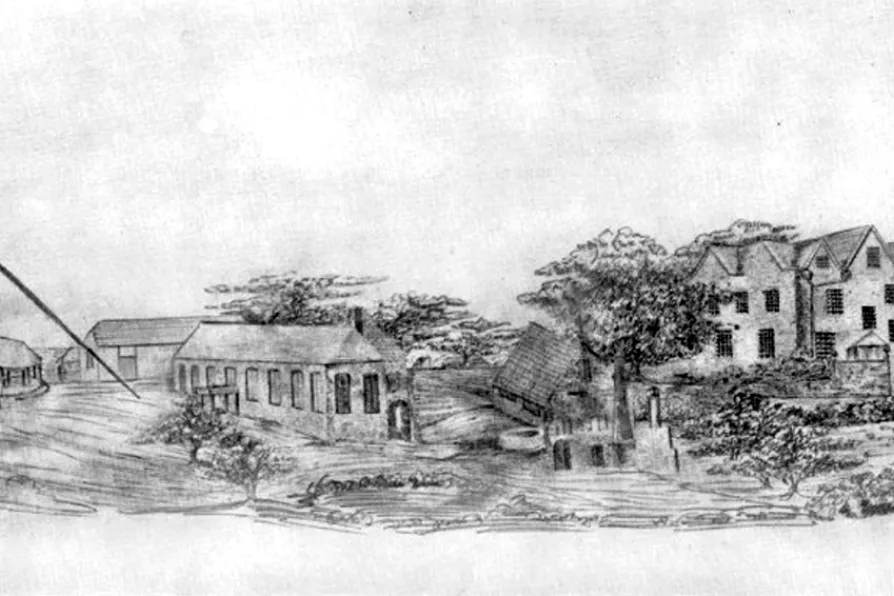 A sketch of the Drax Hall plantation in Barbados

ANDY McDONALD MP says Labour must show it is capable of delivering real improvements in people’s lives — bold action is required
ANGUS REID and ANDREW JOHNSTONE report on an initiative that we must take this summer
ALLISON FEWTRELL on what Plaid Cymru's historic election victory means for the communities being failed by Wales’s housing crisis, and four things the new government can do right now
France Insoumise MP JEROME LEGAVRE speaks to Christophe Domec on building the Europe-wide peace movement that came together in the International Conference Against War last weekend
At last weekend’s International Conference Against War, LINDA PENTZ GUNTER talks to the Palestinian physician and politician about the struggles ahead to achieve a truly free Palestine





WILLIAM CUFFAY, the black leader of London Chartism in 1848, is a well-known figure in British history thanks in part to the pioneering work done by the later Peter Fryer with his book Staying Power.
There is now a good deal more research and published history about black people in Britain going back at least to Tudor times. Yet it remains the case that little is known about a black presence in the Chartist movement.
The presence of black workers who had come to Britain on navy or merchant ships, servants and others, meant there was a considerable black population in Victorian Britain.

Similar stories
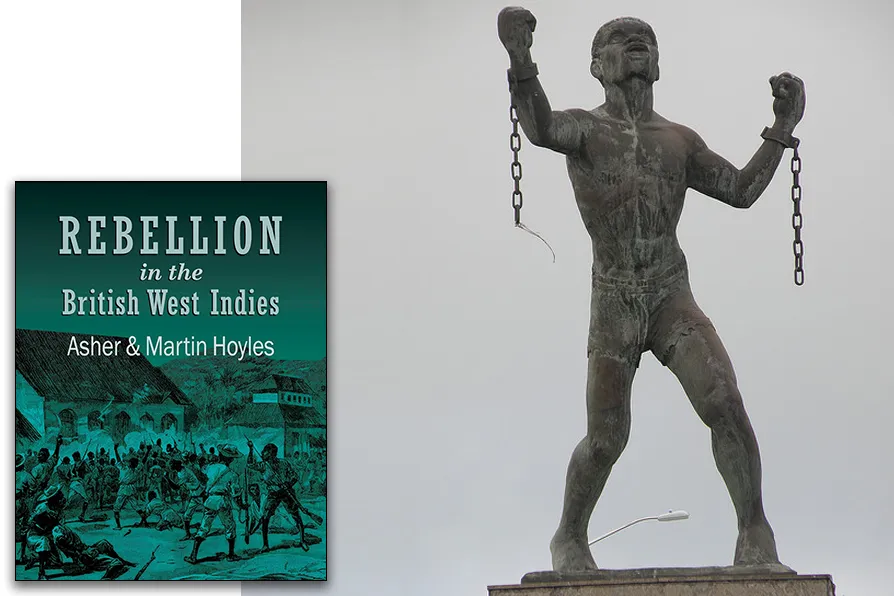
BOB NEWLAND appreciates an important contribution to the debate about how slavery helped to build the wealth of Western companies and states

Labour movement history in Britain shows workers secured reforms through collective pressure and political representation, rather than being gifted from above, writes KEITH FLETT
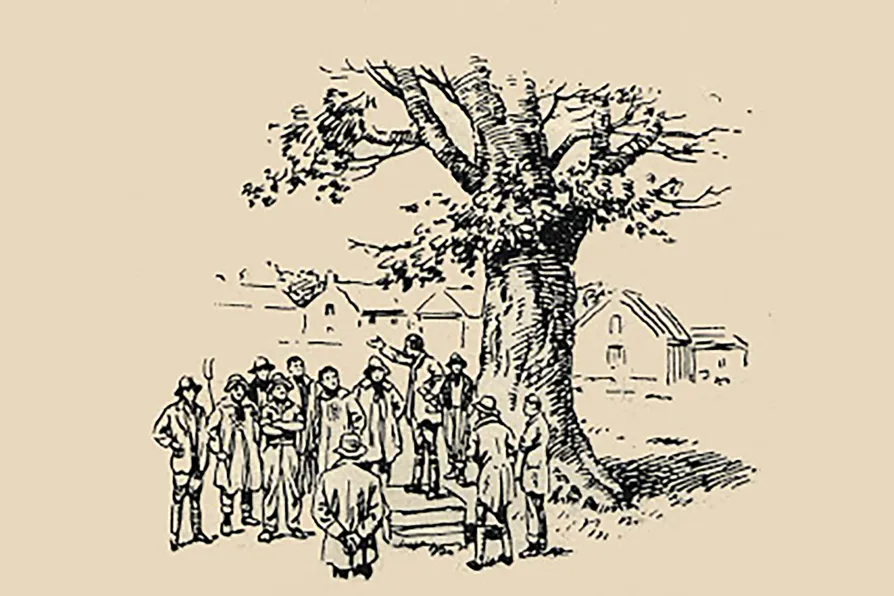
ANSELM ELDERGILL examines the legal case behind this weekend’s Tolpuddle Martyrs’ Festival and the lessons for today
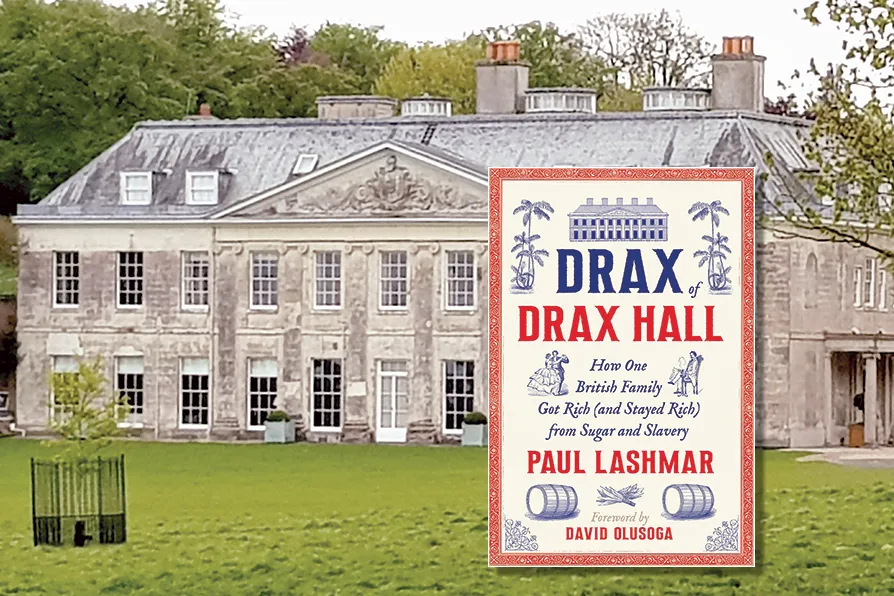
SUE TURNER is appalled by the story of the only original colonising family to still own a plantation in the West Indies