Scottish Labour's leaders cannot keep blaming Westminster for the collapse at the ballot box, says VINCE MILLS


 Latest editorial

In Xi Jinping's China, is Chairman Mao back?
On the 130th anniversary of the founder of People's China's birth, BEN CHACKO asks whether media hype about Xi as a new Mao rings true – or whether the country's trajectory has really changed that much
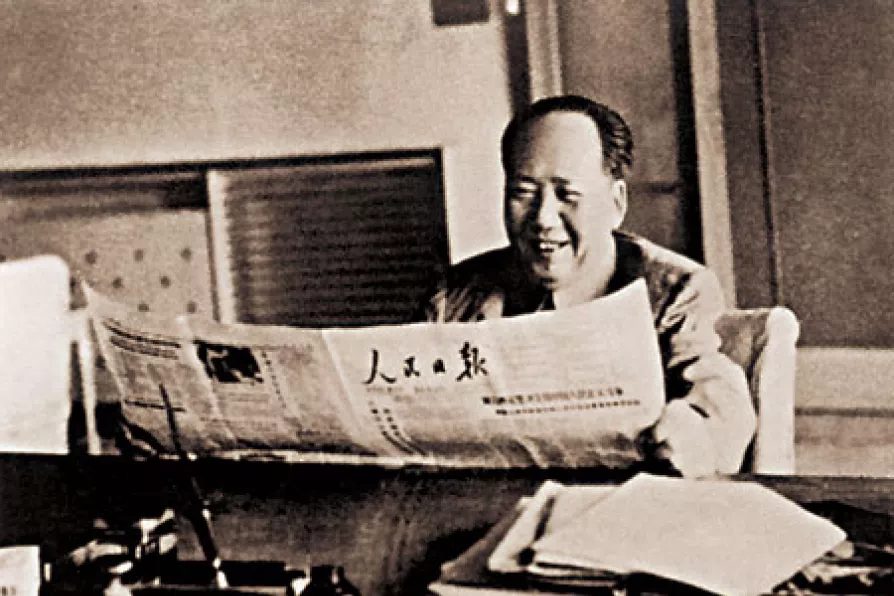 Chairman Mao reading People's Daily in Hangzhou, 1961
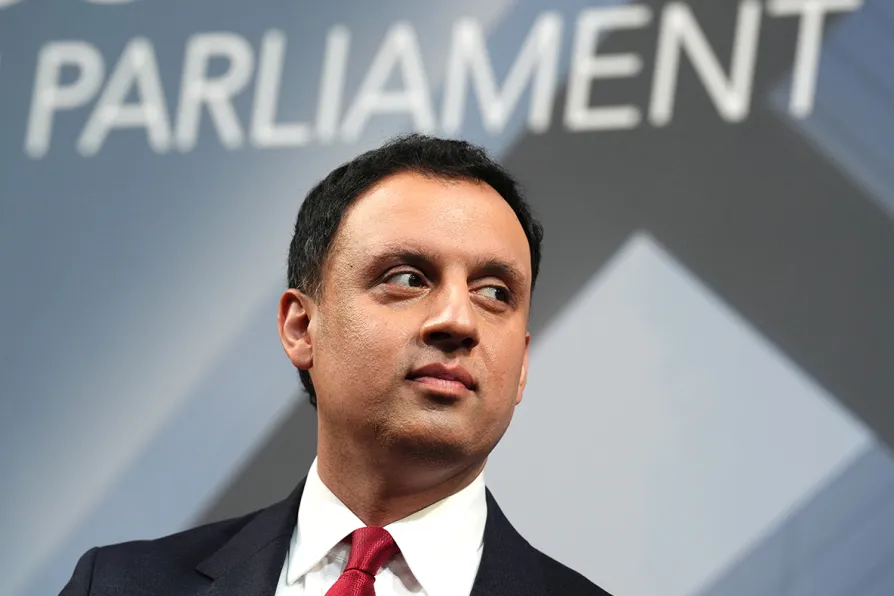
Over 30 years since apartheid was abolished, nasty anti-migrant rhetoric sweeps the corporate media. The Commnunist Party is ready to fight back, says ROGER McKENZIE
Over 100,000 people are expected on Brussels’s streets today. Ben Chacko speaks to Belgian Workers Party’s PETER MERTENS on wage and pensions attacks that have united the fightback
FRED BAYER says the cuts to the congress cycle could be disastrous for the Scottish trade union movement
Berlin’s Soviet war memorials are becoming the latest front in a political struggle to ‘de-Sovietise’ German history. NICO POPP reports
Western Marxism is a particular version of Marxist theory developed in – and acceptable to – the capitalist nations of Europe and North America and largely divorced from political action, argues the MARX MEMORIAL LIBRARY





BOXING Day marks 130 years since the birth of Chairman Mao — a revolutionary whose significance seems all the greater now given the rise of China.
China’s alleged reversion to Maoism under President Xi Jinping is a recurring theme in Western media. A year ago the Guardian was quoting the US-based academic Hu Ping on how Xi was “increasingly reverting to Mao” on domestic policy; outlets from the New York Times to Al Jazeera have referred to Xi as “the new Mao.”
China is certainly celebrating Mao this winter. A new film, When We Were Young, will depict his student years; a TV series, Kunpeng Strikes the Waves, will tell the story of his early activism and discovery of Marxism. The “kun” and “peng” are mythological creatures, or one creature, since the kun, a huge fish, transforms into the peng, a huge bird, whose flight, in the Taoist classic the Zhuangzi, causes storms lasting months and churns up the sea for hundreds of miles around: an indication of how great an impact Mao is deemed to have had on China’s history.

Similar stories
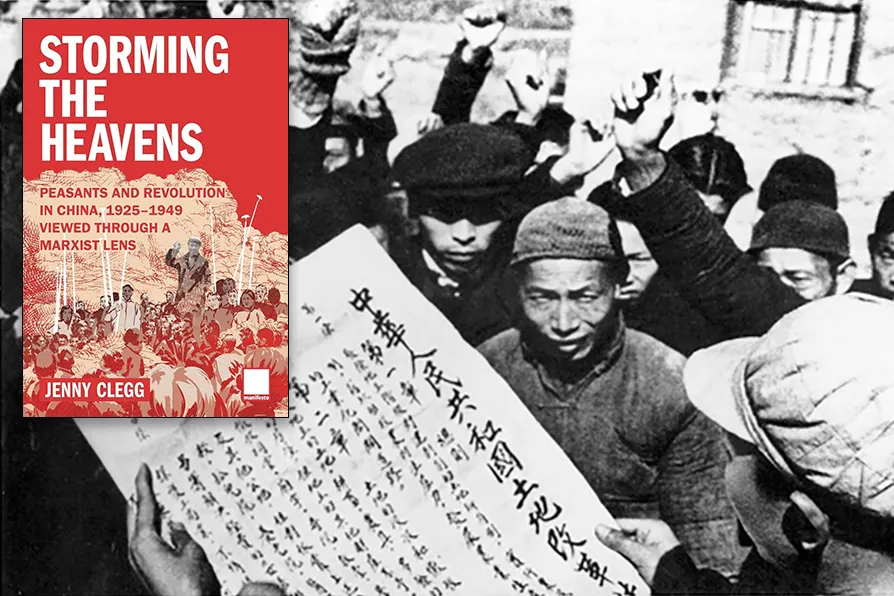
BEN CHACKO welcomes a masterful analysis that puts class struggle back at the heart of our understanding of China’s revolution

The cancelled China trip of the German Foreign Minister marks a break with Helmut Schmidt’s China policy and drives Germany further into Washington’s confrontation course, warns SEVIM DAGDELEN

One of the major criticisms of China’s breakneck development in recent decades has been the impact on nature — returning after 15 years away, BEN CHACKO assessed whether the government’s recent turn to environmentalism has yielded results
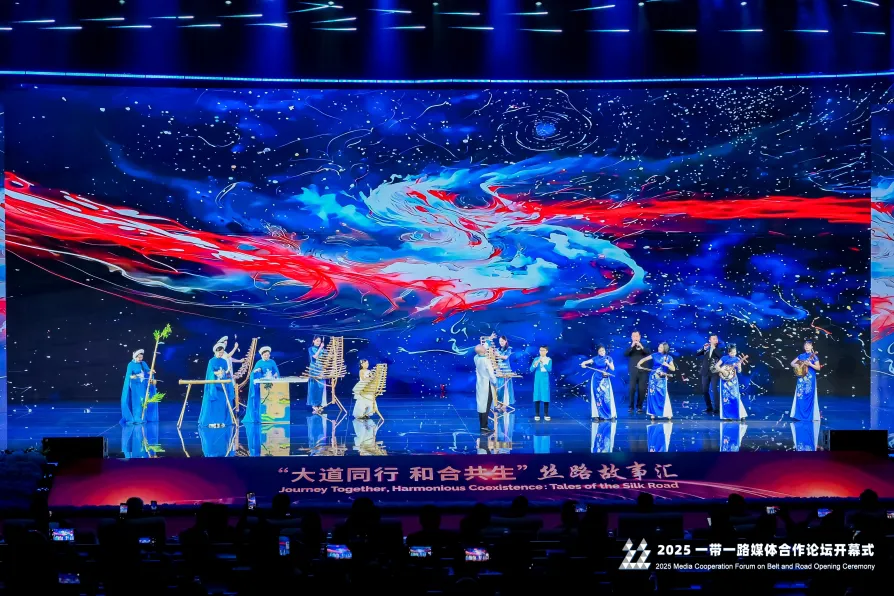
Morning Star editor BEN CHACKO reports from the start of Kunming’s Belt and Road media forum, where 200 journalists from 71 countries celebrated a new openness and optimism, forged by China’s enormous contribution to global development