RAMZY BAROUD offers six reasons why Netanyahu is prolonging conflict in the Middle East


 Latest editorial

Why has Colombia’s government ended peace talks with Marxist rebels ELN?
The new right-wing administration has cancelled talks and demanded the arrest of the insurgents' negotiating team - but the guerillas aren't beaten, writes OLIVER DODD
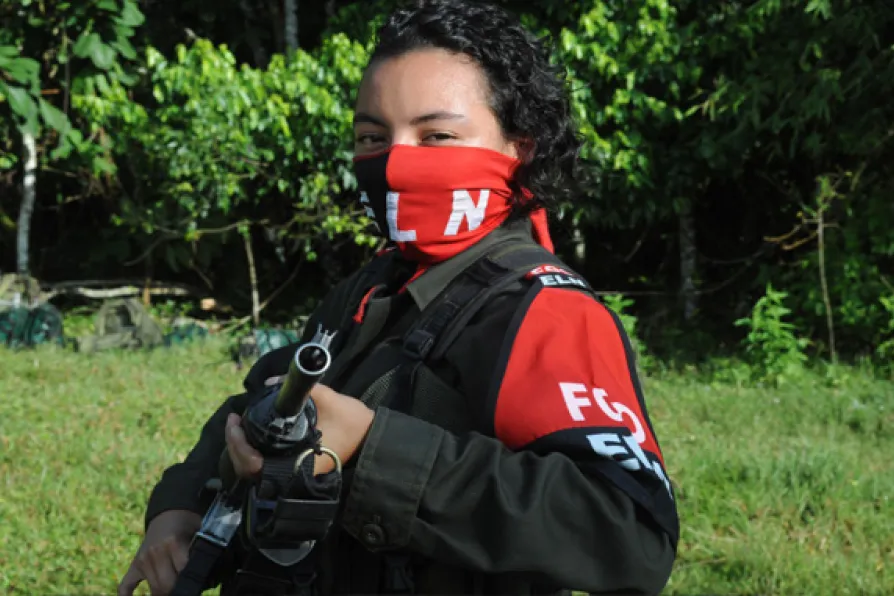 A woman guerilla of the ELN, Columbia's remaining armed communist insurgency
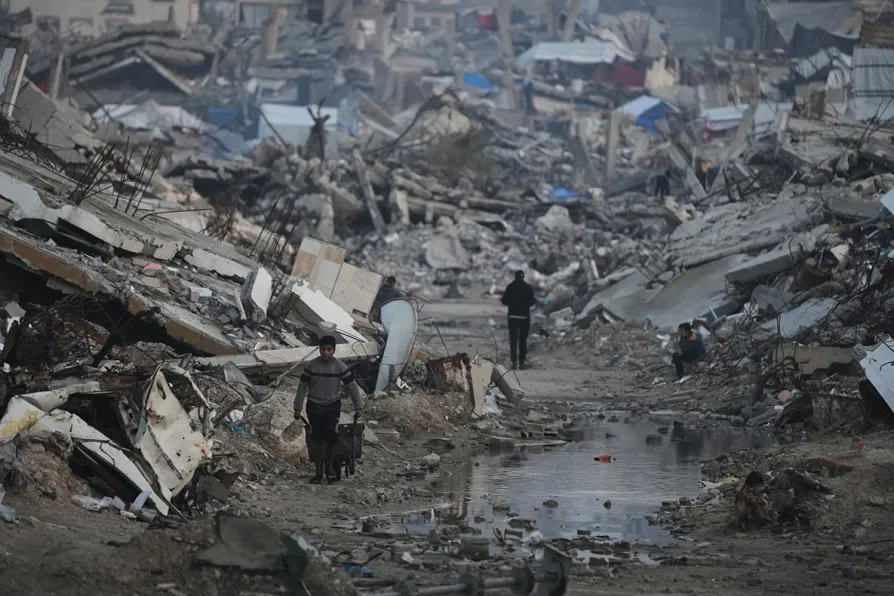
A US onslaught of unprecedented scale has shattered Venezuelan sovereignty and exposed the fragility of the global South as Washington revives the Monroe Doctrine with overwhelming military force, write VIJAY PRASHAD and CARLOS RON
In a country torn apart by sanctions and ‘electoral warfare,’ the reality is more complex than Western headlines would have us believe, argues MARC VANDEPITTE
ALAN SIMPSON looks at the bigger issues behind Trump’s Venezuelan piracy
From the kidnapping of Maduro in Venezuela to Trump’s annexation plans for Greenland: the US is openly relying on imperialism – and paradoxically strengthening its adversaries in the process, warns SEVIM DAGDELEN
ROGER McKENZIE looks at how US doublespeak on the ‘war on drugs’ is used to camouflage its intended grab for of Latin America’s natural resources





SINCE 2017, Colombia’s government and the left-wing National Liberation Army (ELN) have been publicly engaged in peace talks to end 54 years of armed conflict.
But following the inauguration of right-wing president Ivan Duque in August 2018, a man who vowed to end peace talks during his presidential campaign, Colombia’s new government has since cancelled negotiations and called for the arrest of ELN’s negotiating team.
This reactivation of an Interpol notice ignores security protocols mutually agreed to by the negotiating parties, which promised the safe return of ELN’s political leadership to their units in Colombia in the event of the collapse of peace talks.
This demand also created a diplomatic dilemma for Cuba’s government – the facilitator of Colombia’s peace negotiations – although Cuba has declared that it will abide by the prearranged protocols.
Peace negotiations were cancelled after the ELN claimed responsibility for a bombing against the country’s largest training academy used for the National Police, killing 20 police officers and injuring dozens more. While ELN’s negotiating team in Cuba claimed that this attack was coordinated without their knowledge, they admitted that it was organised by a local ELN guerilla front.

Similar stories
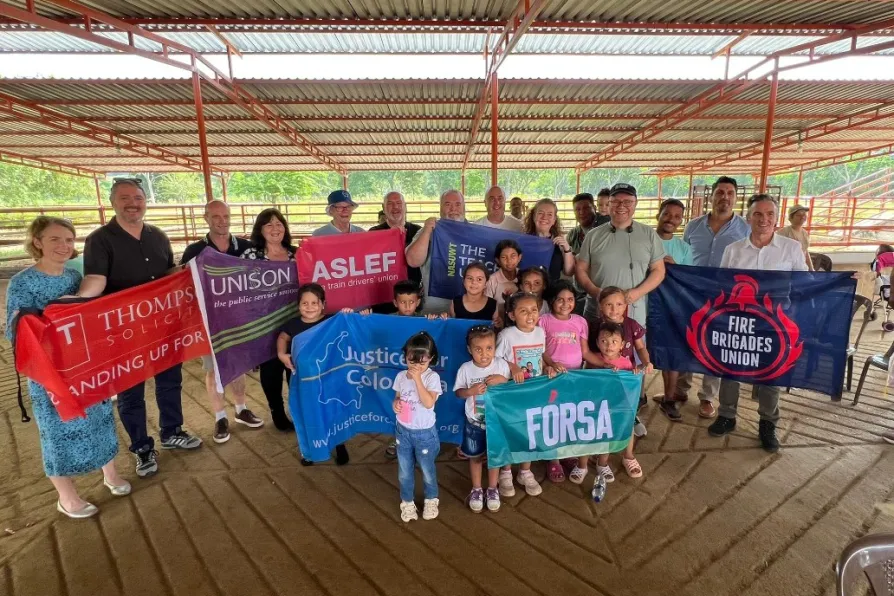
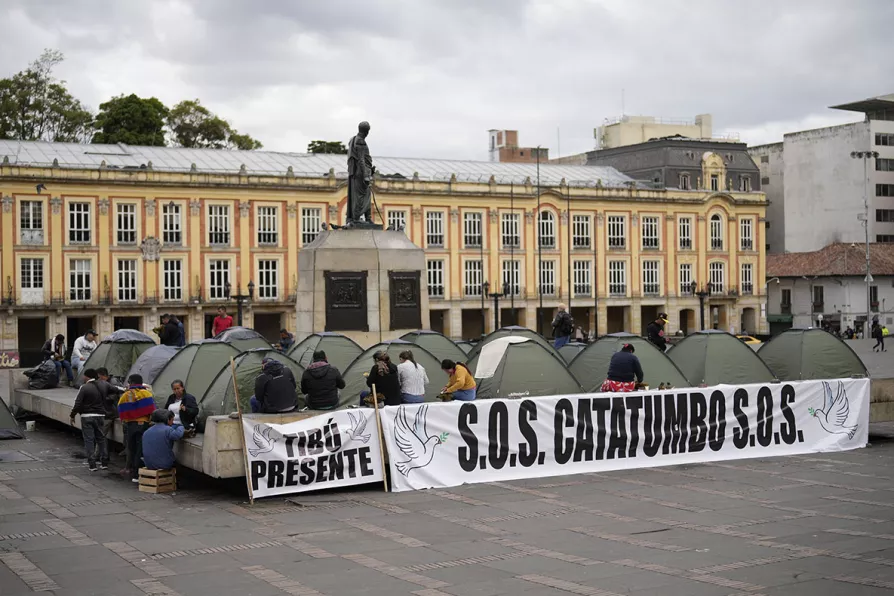
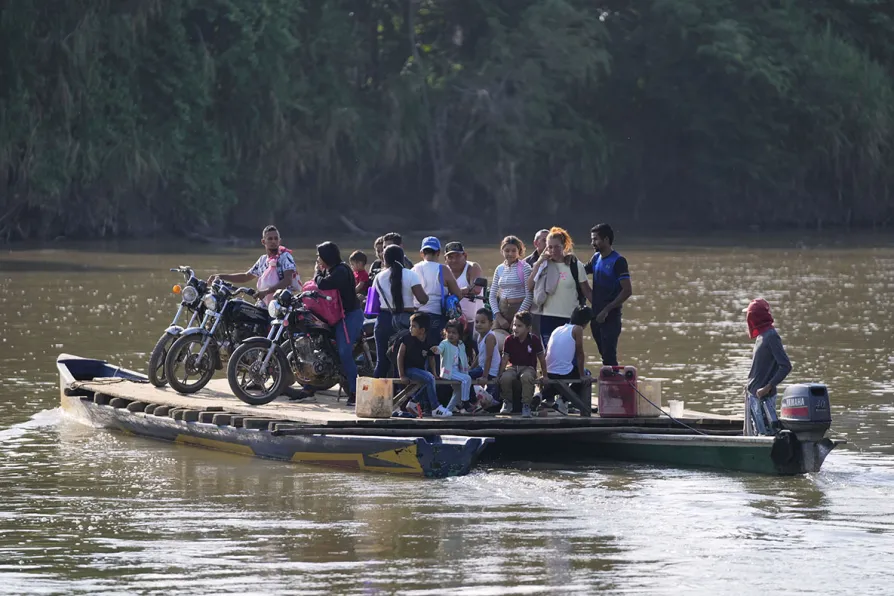
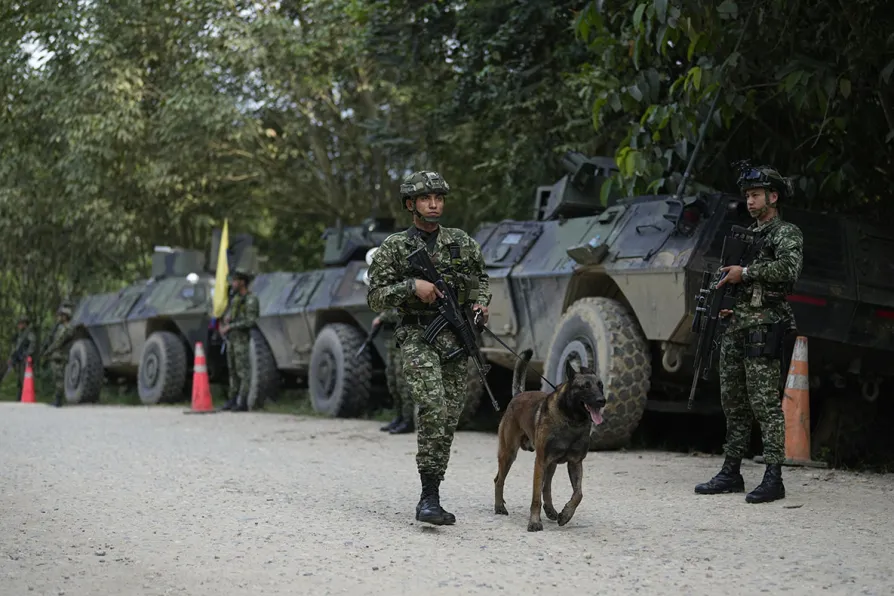
With Petro, Colombia has been making huge strides towards peace — but is all that at risk with the elections next year? MARK ROWE reports back after joining a delegation to the Latin American country