ROGER D HARRIS and SARA FLOUNDERS challenge propaganda against the blockaded socialist island


 Latest editorial

What do Marxists say about the housing crisis?
The MARX MEMORIAL LIBRARY explains how in a socialist society, decent housing would be seen as a right, not a commodity



Marx and Engels incorporated in their writings a critique of the way that capitalism destroys the environment but it is only in the last half century that environmental concerns have become an integral part of the fight for socialism, writes the Marx Memorial Library and Workers’ School
The racist Republican tactic of redistricting to keep Trump and his base in power is turning the clock back to the 1950s, writes LINDA PENTZ GUNTER
With a political crisis engulfing the Labour Party, the case for PR is back on the agenda. TONY BURKE argues trade unions must now engage on changes to our voting system
YVETTE WILLIAMS and JOE DELANEY dissect the institutional dawdling that rubbed salt into the Grenfell open wounds prolonging the agony of survivors
The HS2 debacle exposes what happens when public infrastructure is handed to private contractors – especially when set against China’s state-led high-speed rail success, says CARLOS MARTINEZ





HOUSING today, especially in Britain, emphasises the contradiction between the basic need of the many for somewhere to live and the unnatural bloated wealth of the few. Homes have become a key part of our commodified economy.
Big business is reliant on the housing market for growth, millions of people live in inadequate, insecure and, for some, dangerous homes and nearly 5,000 people sleep rough every night on our streets. Meanwhile those with “capital” buy property as an investment device or tax dodge and often leave it empty.
Some of the council estates built after World War I as well as after World War II were superior not just to the slums they replaced but also to much speculative “working-class” housing built more recently, though then, as now, residents are distanced from engagement in the process of construction and design.

Similar stories

Building is the solution for much of our housing crisis – and will also help to address poverty, ill health, and even anti-social behaviour and alienation, writes KENNY MacASKILL
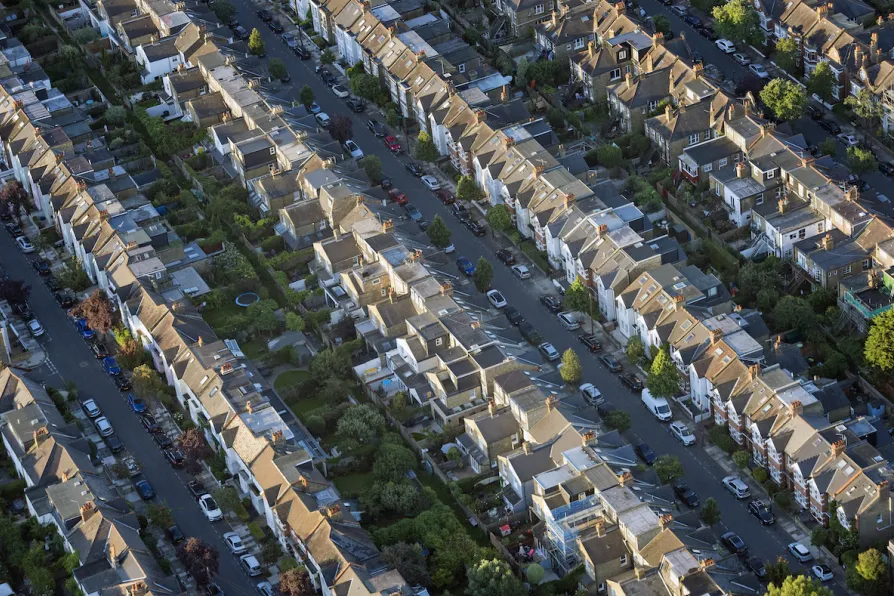

Our housing crisis isn’t an accident – it’s class war, trapping millions in poverty while landlords and billionaires profit. To solve it, we need comprehensive transformation, not mere tokenistic reform, writes BECK ROBERTSON
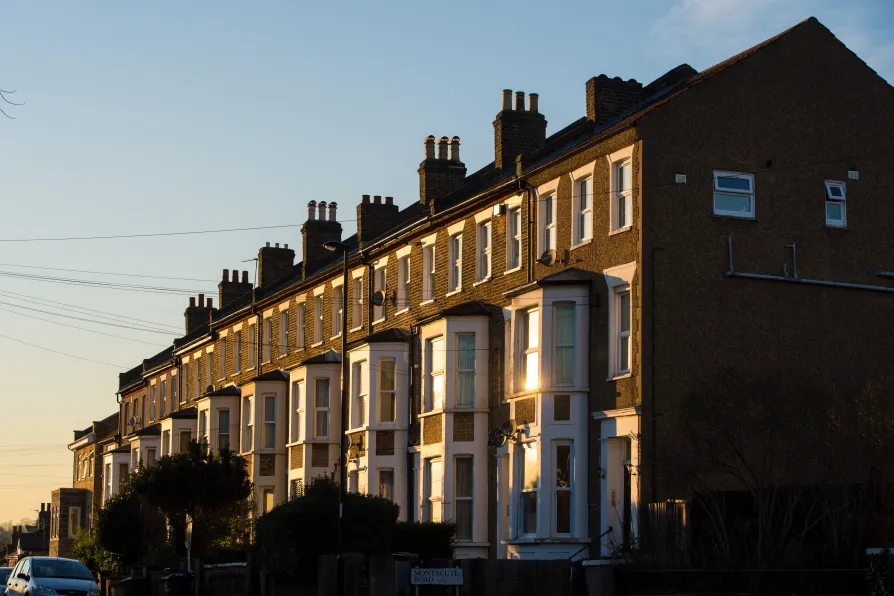
GLYN ROBBINS celebrates how tenant-led campaigning forced the government to drop Pay to Stay, fixed-term tenancies and council home sell-offs under Cameron — but warns that Labour’s faith in private developers will require renewed resistance