ROGER D HARRIS and SARA FLOUNDERS challenge propaganda against the blockaded socialist island


 Latest editorial

What’s the future with AI?
The increased efficiency of any aspect of capitalism will not automatically lead to its collapse and transformation — avoiding the dangers and realising the potential of AI will involve struggle, argues the MARX MEMORIAL LIBRARY


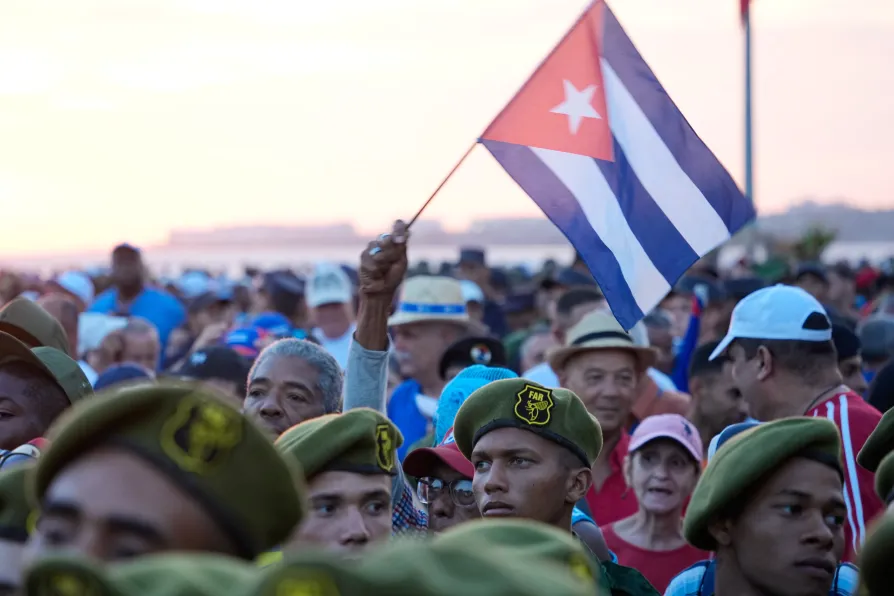
Marx and Engels incorporated in their writings a critique of the way that capitalism destroys the environment but it is only in the last half century that environmental concerns have become an integral part of the fight for socialism, writes the Marx Memorial Library and Workers’ School
The racist Republican tactic of redistricting to keep Trump and his base in power is turning the clock back to the 1950s, writes LINDA PENTZ GUNTER
With a political crisis engulfing the Labour Party, the case for PR is back on the agenda. TONY BURKE argues trade unions must now engage on changes to our voting system
YVETTE WILLIAMS and JOE DELANEY dissect the institutional dawdling that rubbed salt into the Grenfell open wounds prolonging the agony of survivors
The HS2 debacle exposes what happens when public infrastructure is handed to private contractors – especially when set against China’s state-led high-speed rail success, says CARLOS MARTINEZ





PART ONE of this answer emphasised that information technologies, from “good old-fashioned artificial intelligence” of the 1960s and ’70s to robotics and machine learning today, greatly magnify the contradictions of capitalism.
They raise a host of questions: whether development should focus on medical diagnostics or personal surveillance; whether “we” need driverless cars and “just walk out” shopping and if so, whether they should be limited to those who can afford them or “owned” collectively; — and in either case, under whose control and scrutiny.
At a deeper level, it raises fundamental issues about the structural changes within global capitalism, the use of technologies for social control, repression — and war — and the required left and labour movement response.

Similar stories
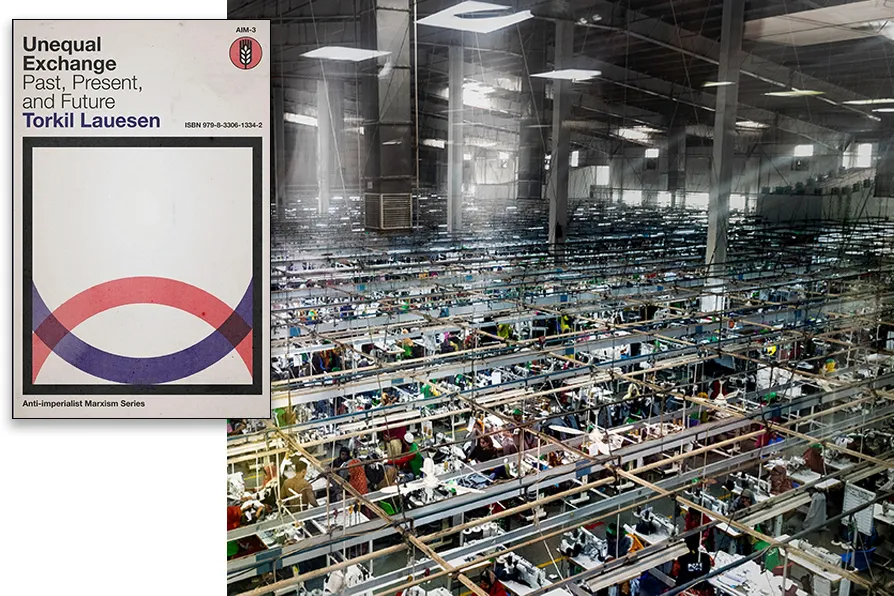
MARTIN GRAHAM welcomes, with reservations, a scholarly addition to the unfinished business of understanding how capital works on a world scale

In the second and final part of his article MIKE SCOTT posits that if we don’t control AI while we’ve got the chance, we could be signing the death warrant for our children and grandchildren
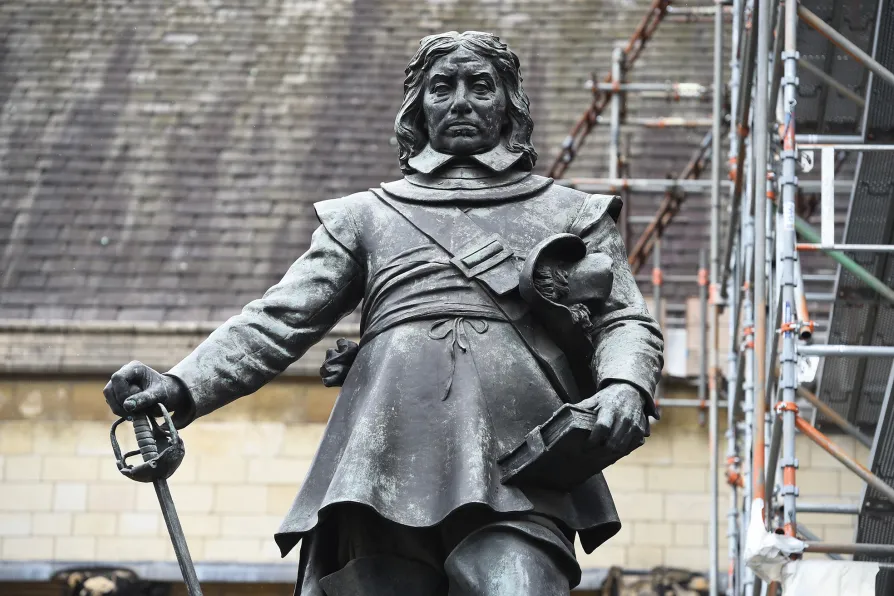
The selection, analysis and interpretation of historical ‘facts’ always takes place within a paradigm, a model of how the world works. That’s why history is always a battleground, declares the Marx Memorial Library

From hunting rare pamphlets at book sales to online panels and courses on trade unionism and class politics, the MML continues connecting archive treasures with the movements fighting for a better world, writes director MEIRIAN JUMP