
SOLOMON HUGHES recommends Sunjeev Sahota’s recent novel set in a trade union election campaign for its fresh approach to what unites and divides workers, but wishes the union backdrop was truer to life


We must intensify efforts to preserve peace in Iran and the Middle East
The Star publishes here a statement of the central committee of the Tudeh Party of Iran on the dangerous global situation
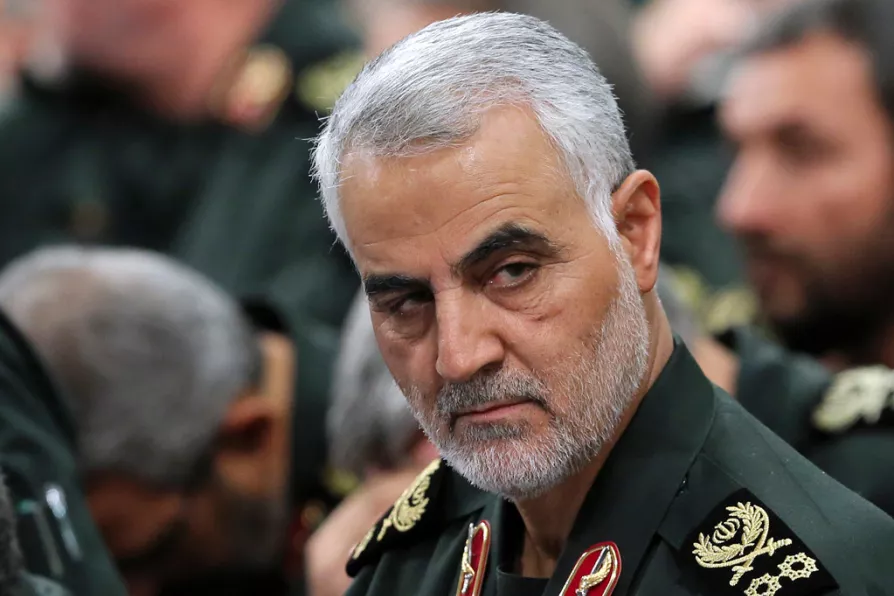
 Iranian General Qasem Soleimani, who was assassinated by the United States on January 3
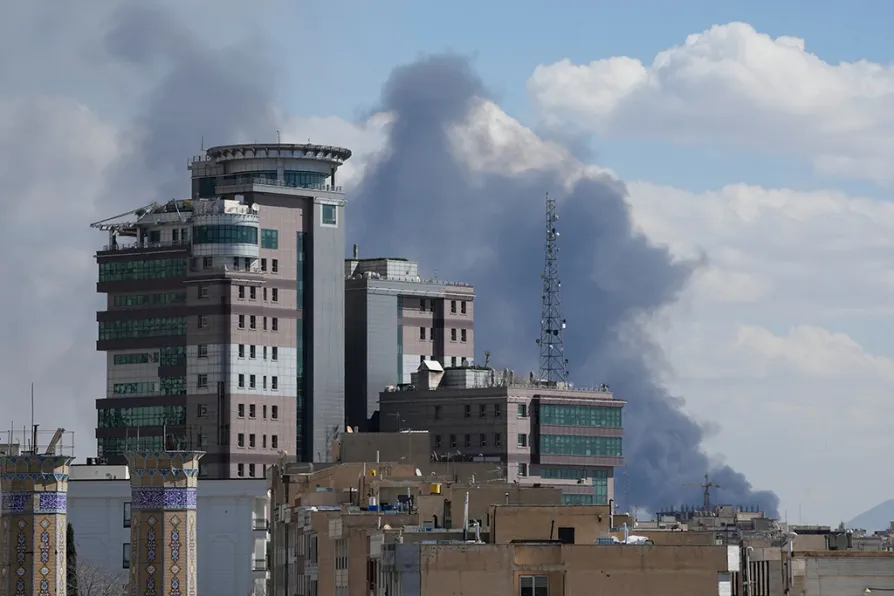
Morning Star international editor ROGER McKENZIE says Trump’s ceaseless belligerence is a desperate effort to prevent the emergence of a multilateral world
Don’t dismiss Lebanon as a side theatre of this war, warns SEVIM DAGDELEN — there are signs Israel has expansion in mind, and it has demonstrated its willingness to expel and kill whole populations
The media present Starmer as staying out of Trump’s war — but we’re already deeply involved in a conflict that sees the US and Israel kill civilians on a huge scale, argues IAN SINCLAIR
LINDA PENTZ GUNTER reports on this week’s conference unveiling the findings of the Gaza Tribunal established by Jeremy Corbyn
CHRISTOPHE IMMER of the Morning Star’s German sister paper Junge Welt reports on a Berlin conference on the politics of art and the legacy of Marxist critic Hans Hess





ACCORDING to global news agencies, Qasem Soleimani, the commander of the Quds Force of Iran’s Islamic Revolutionary Guards Corps (IRGC); Abu Mahdi al-Mohandis (head of Kataib Hezbollah) and the second-in-command of Iraq’s Popular Mobilisation Forces; as well as a number of Iranian, Iraqi and Lebanese nationals in the same convoy, were killed in an air strike near to Baghdad airport.
The assassination of Soleimani, on the order of US President Donald Trump, in clear violation of Iraqi national sovereignty and all international law, could undoubtedly pose deadly risks for the region.
Ali Khamenei, the supreme leader of the regime in Iran, issued a message in wake of the incident, which announced three days of public mourning in the country and read: “A harsh revenge awaits the criminals whose dirty hands are tainted with his [Soleimani’s] blood and the blood of other martyrs of last night’s incident.”

Similar stories
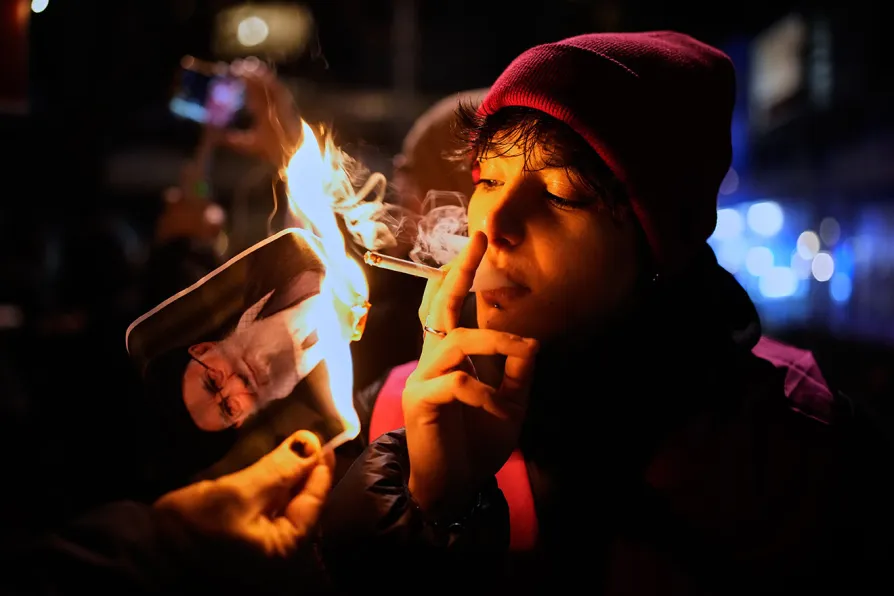
MOHAMMAD OMIDVAR, a senior figure in the Tudeh Party of Iran, tells the Morning Star that mass protests are rooted in poverty, corruption and neoliberal rule and warns against monarchist revival and US-engineered regime change
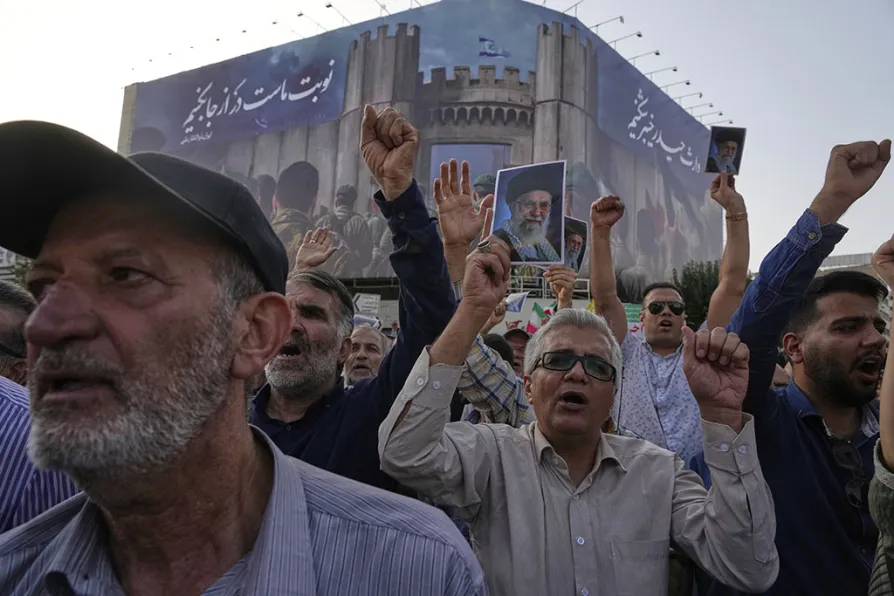
In the second of two articles, STEVE BISHOP looks at how the 1979 revolution’s aims are obfuscated to create a picture where the monarchists are the opposition to the theocracy, not the burgeoning workers’ and women’s movement on the streets of Iran
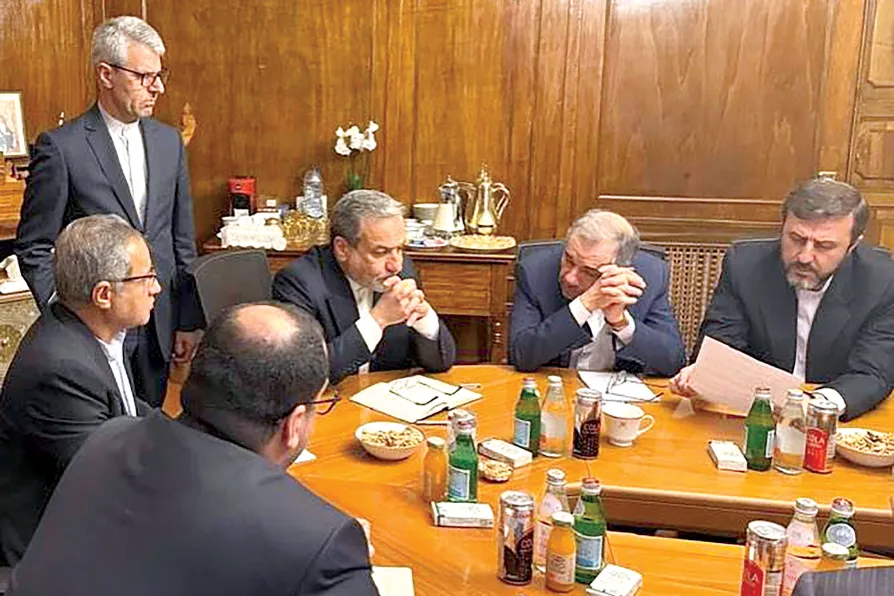
The Islamic Republic’s suddenly weakened regional position exposes the nation to grave threats from US imperialism