All the evidence shows voters want Labour to shift to the left — but initial signs from Andy Burnham are worrying on that front, cautions DIANE ABBOTT


 Latest editorial
Thatcher’s Tory leadership victory at 50
KEITH FLETT looks back 50 years to when the Iron Lady was elected Tory leader…
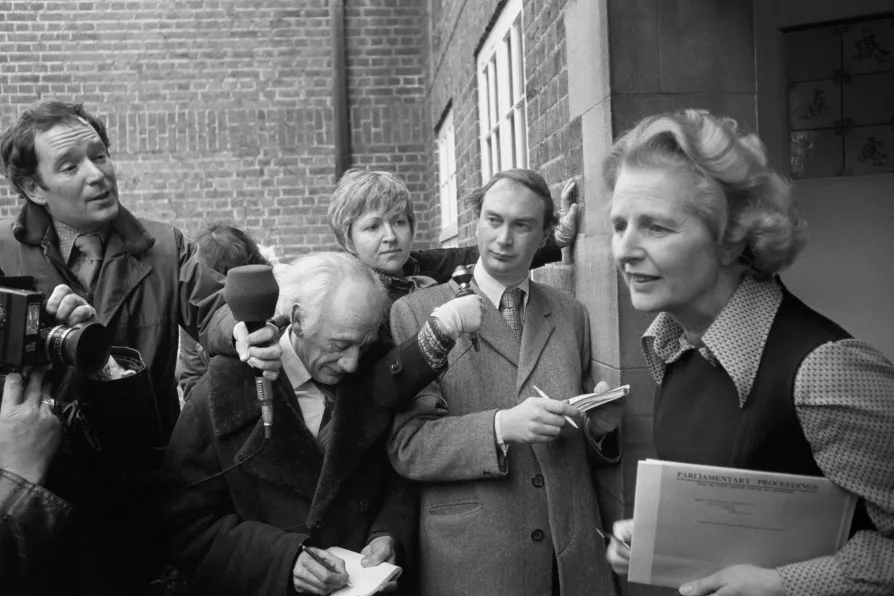 EVEN FURTHER RIGHT: Margaret Thatcher
meets the press outside her Chelsea home
after her leadership victory in 1975
EVEN FURTHER RIGHT: Margaret Thatcher
meets the press outside her Chelsea home
after her leadership victory in 1975

ANDY McDONALD MP says Labour must show it is capable of delivering real improvements in people’s lives — bold action is required
ANGUS REID and ANDREW JOHNSTONE report on an initiative that we must take this summer
ALLISON FEWTRELL on what Plaid Cymru's historic election victory means for the communities being failed by Wales’s housing crisis, and four things the new government can do right now
France Insoumise MP JEROME LEGAVRE speaks to Christophe Domec on building the Europe-wide peace movement that came together in the International Conference Against War last weekend
At last weekend’s International Conference Against War, LINDA PENTZ GUNTER talks to the Palestinian physician and politician about the struggles ahead to achieve a truly free Palestine




IT’S 50 YEARS since Margaret Thatcher was elected Tory leader. Ted Heath had lost two elections to Labour in February and October 1974 and was eventually forced to call a leadership election in February 1975. He lost in the first round of voting on February 4 to a right-wing outsider — Thatcher. In the second ballot she got a majority of all Tory MPs over four other middle-aged white men in suits and became Tory leader. Just over four years later in May 1979 she became prime minister.
The 50th anniversary has already been marked by a two-part recreation of an interview Brian Walden did with her in 1989. An opera written by social historian Dominic Sandbrook is due later this year.
Thatcher’s victory was unexpected, not least because she represented a rightward shift in Tory politics — even if anyone active in the early 1970s in the labour movement would have thought Heath with his hard line anti-union stance was quite right-wing enough.
Similar stories
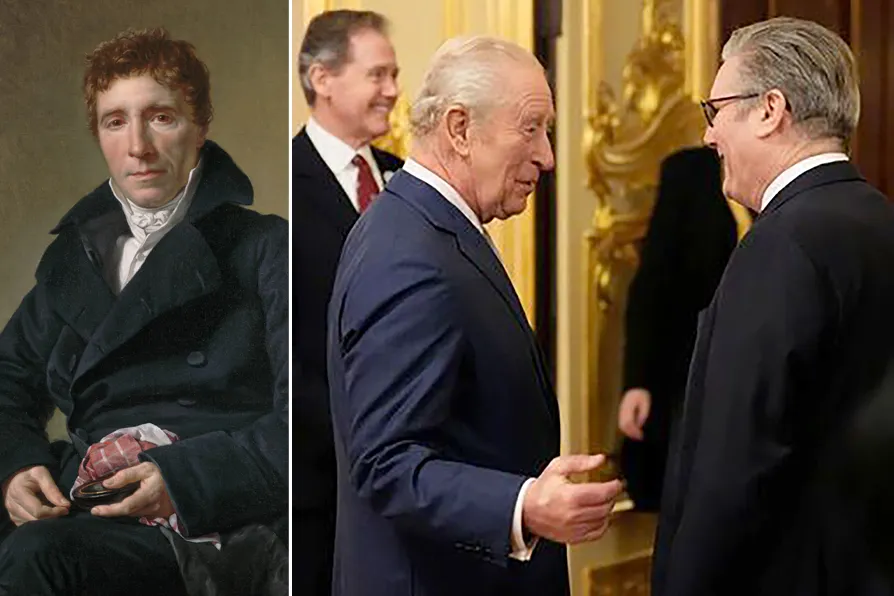
Our political sphere, stripped of its popular component by decades of neoliberalism, sits apart from the public, writes COLL MCCAIL citing a telling parallel with the writings of French revolutionary Abbe Sieyes
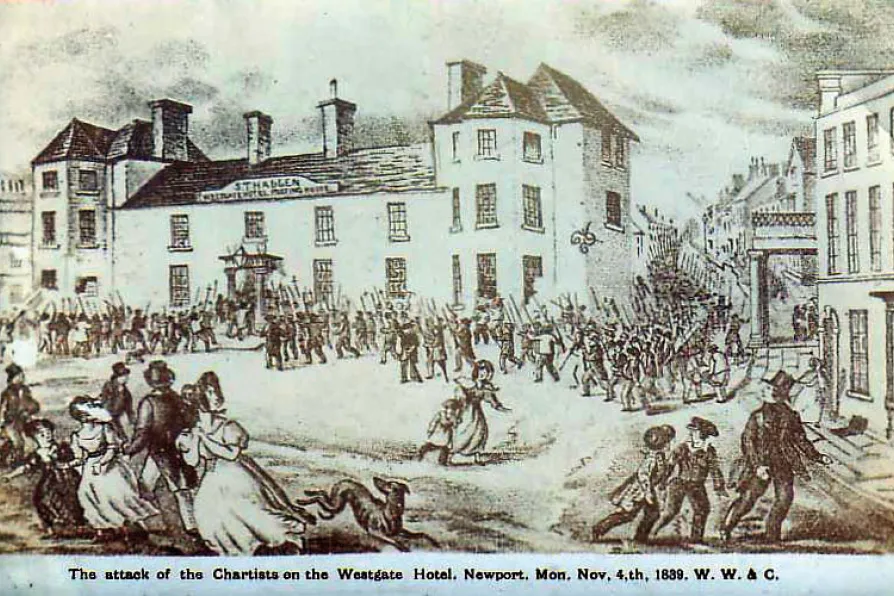
It’s not just the Starmer regime: the workers of Britain have always faced legal affronts on their right to assemble and dissent, and the Labour Party especially has meddled with our freedoms from its earliest days, writes KEITH FLETT

Who you ask and how you ask matter, as does why you are asking — the history of opinion polls shows they are as much about creating opinions as they are about recording them, writes socialist historian KEITH FLETT
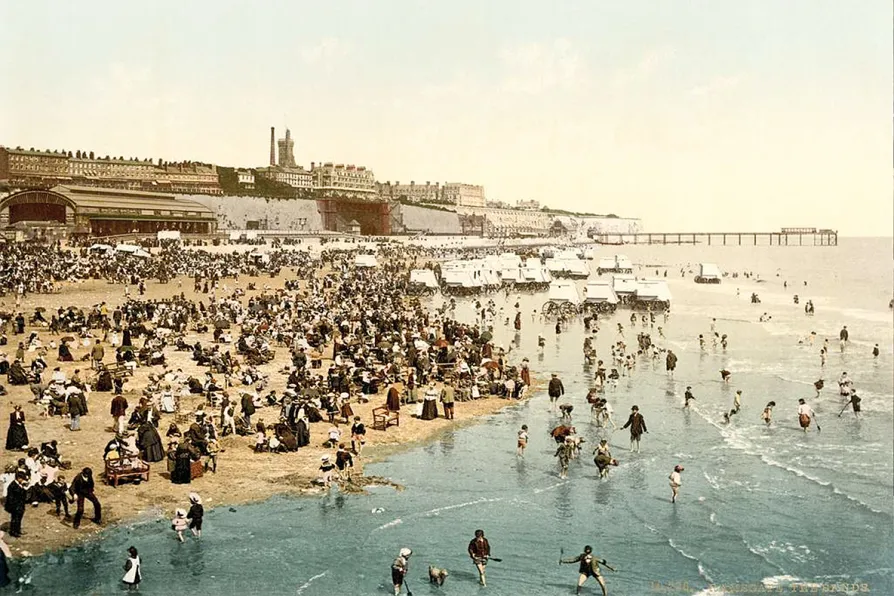
The summer saw the co-founders of modern communism travelling from Ramsgate to Neuenahr to Scotland in search of good weather, good health and good newspapers in the reading rooms, writes KEITH FLETT