All the evidence shows voters want Labour to shift to the left — but initial signs from Andy Burnham are worrying on that front, cautions DIANE ABBOTT


 Latest editorial
The Refugee Crisis is about to Worsen
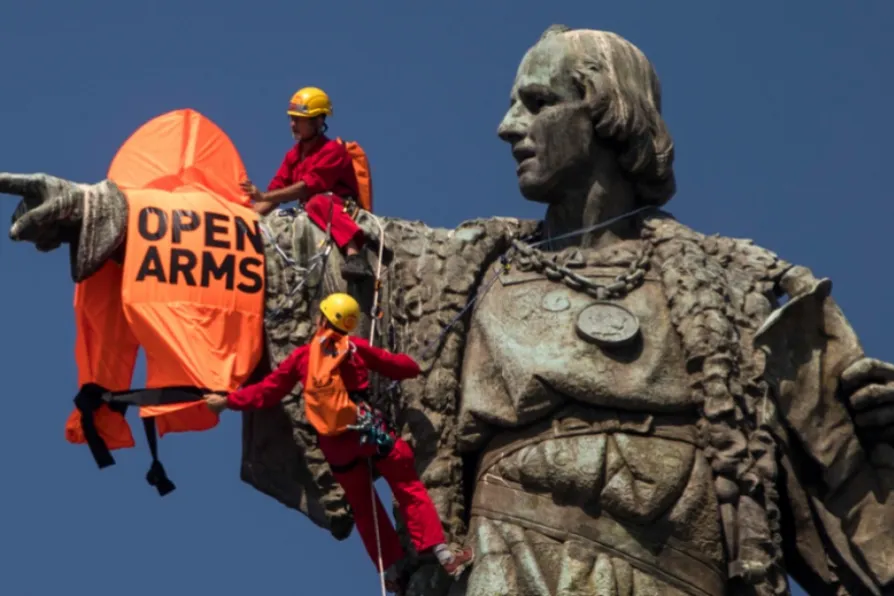 Two activists climb on top of the 197-feet monument Christopher Columbus tower after placing a vest with the words ‘Open Arms’ on the statue in Barcelona, Spain. Activists in Barcelona have dressed in an orange life-vest a statue of 15th-century explorer Christopher Columbus to turn attention to the loss of life of migrants and refugees in the Mediterranean Sea
ANDY McDONALD MP says Labour must show it is capable of delivering real improvements in people’s lives — bold action is required
ANGUS REID and ANDREW JOHNSTONE report on an initiative that we must take this summer
ALLISON FEWTRELL on what Plaid Cymru's historic election victory means for the communities being failed by Wales’s housing crisis, and four things the new government can do right now
France Insoumise MP JEROME LEGAVRE speaks to Christophe Domec on building the Europe-wide peace movement that came together in the International Conference Against War last weekend
At last weekend’s International Conference Against War, LINDA PENTZ GUNTER talks to the Palestinian physician and politician about the struggles ahead to achieve a truly free Palestine





A RECENT European Council summit in Brussels was meant to articulate a united policy on the burgeoning refugees and migrant crisis.
Instead, it served to highlight the bitter divisions among various European countries. Considering the gravity of the matter, Europe’s self-serving policies are set to worsen an already tragic situation.
True, several European leaders, including Italy’s Prime Minister Giuseppe Conte, went home to speak triumphantly of a “great victory,” achieved through a supposedly united European position.
Italy’s Interior Minister Matteo Salvini used more derogatory terms in explaining his country’s new policy on refugees and migrants.
“They will only see Italy on a postcard,” he said, referring to refugees who have been arriving in Italy with the help of humanitarian rescue boats.
The first of these boats, carrying over 600 refugees and economic migrants, the Aquarius, was sent back on June 11, followed by another, carrying over 200 refugees.

Similar stories
Italians reject controversial judiciary reforms in a referendum that boosts the left, reports NICK WRIGHT
The new plan sets out an uncompromising bid for global dominance, casting even allies as obstacles to be subdued, writes DIANE ABBOTT
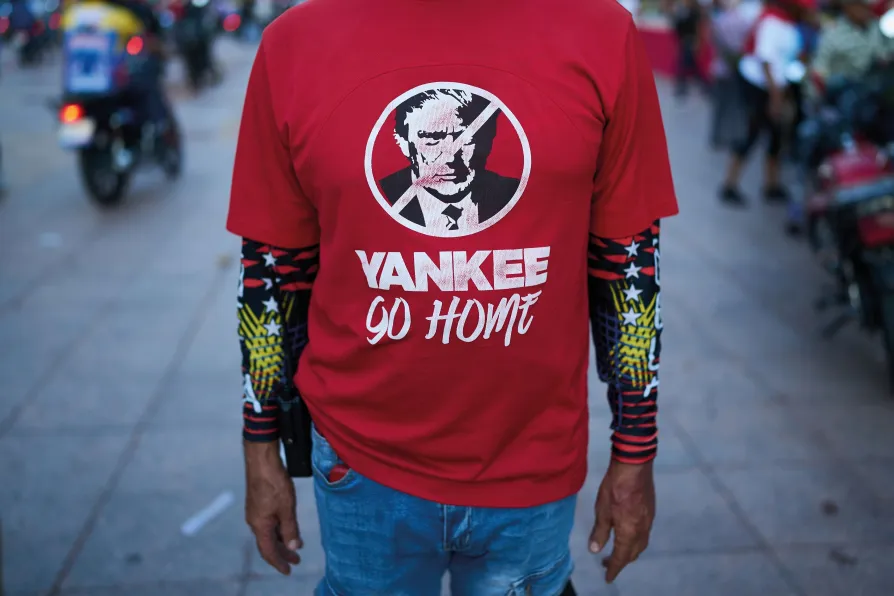
Western nations’ increasingly aggressive stance is not prompted by any increase in security threats against these countries — rather, it is caused by a desire to bring about regime changes against governments that pose a threat to the hegemony of imperialism, writes PRABHAT PATNAIK
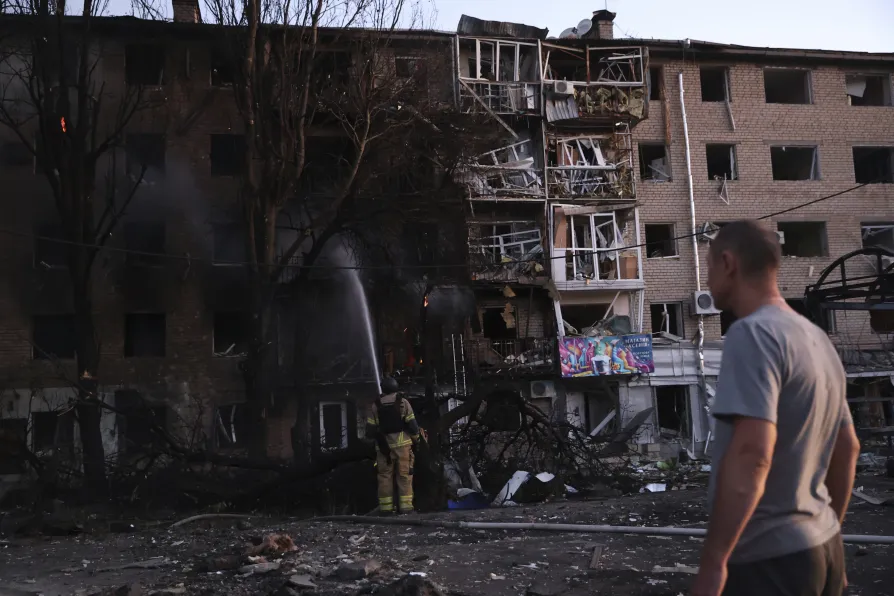
While 69 per cent of Ukrainians want negotiated peace, Western leaders are cynically prolonging the war for their own strategic and economic goals, to the immense detriment of Ukraine and Europe, write BOB ORAM and MAGGIE SIMPSON