Latest editorial
Error message
An error occurred while searching, try again later.
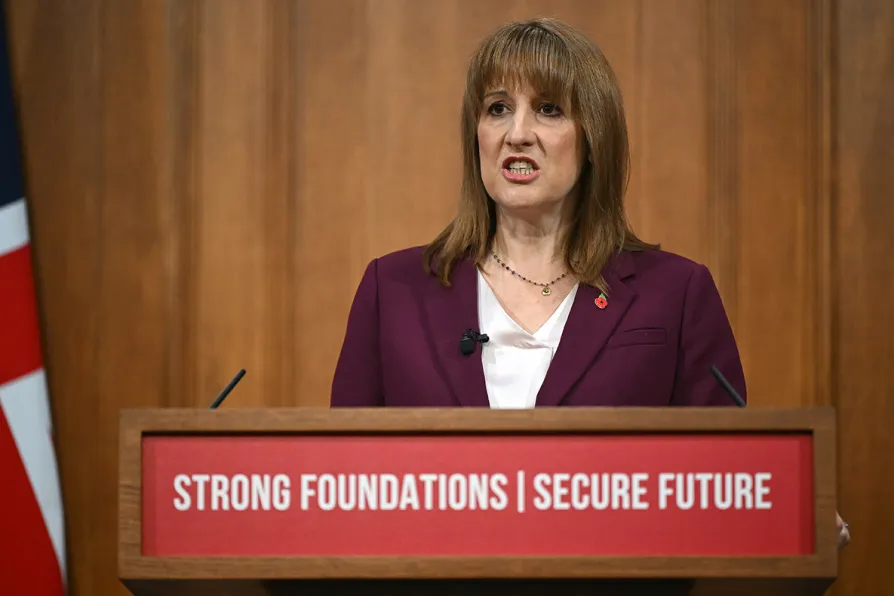 Chancellor Rachel Reeves delivers a speech in the media briefing room of 9 Downing Street in central London, ahead of the Budget later this month, November 4, 2025






CHANCELLOR Rachel Reeves was urged not to impose short-term welfare cuts in her Budget tomorrow after an unexpected rise in Britain’s unemployment rate.
The Office for National Statistics (ONS) reported a figure of 5 per cent covering the three months to September - the highest since late 2020.
This was up from 4.8 per cent reported last month and a larger leap than economists had predicted, with men worst affected by the shift.
Separate HMRC data released by the ONS also showed a 32,000 decline in payrolled employment during October.
“Taken together, these figures point to a weakening labour market,” said ONS director of economic statistics Liz McKeown.
A Momentum spokeswoman said: “The Chancellor’s economic strategy has manifestly failed.
“Increasing employer National Insurance has put pressure on hiring without commensurate public investment in the quality, green jobs we need to rebuild after 15 years of austerity.
“The government is now paying the price of its National Insurance rise in the last Budget — and the decision to cut green investment plans ahead of the last election.”
The unemployment rate stood at 4.1 per cent when Labour took office last year.
Work Foundation director Ben Harrison said that the government will be walking a political and fiscal tightrope at the autumn Budget on November 26 but the figures and low wage growth “underlines the importance of the Chancellor committing the necessary funds to drive long-term positive change in the labour market,” he said.
“That means resisting short-term welfare cuts that serve only to push people into insecure and poor quality work, doubling down on providing sustained, tailored employment support and investing in the changes proposed by Sir Charlie Mayfield’s Keep Britain Working Review to retain more people in the workforce in the future.”
The number of people on zero-hour contracts meanwhile rose to a near record 1.2 million despite a ban on “exploitative” zero-hour contracts within the Employment Rights Bill (ERB) nearing royal assent.
Some employers may “look to employ people in other insecure forms such as through gig platforms when the [ERB’s] changes come into effect,” said the think tank’s Rebecca Florisson.
Work and Pensions Secretary Pat McFadden said that the “figures are exactly why we’re stepping up our plan to Get Britain Working.”