All the evidence shows voters want Labour to shift to the left — but initial signs from Andy Burnham are worrying on that front, cautions DIANE ABBOTT


 Latest editorial
A plague on all of our houses
Why has monkeypox, which has been infecting people around Congo Basin at a low level for decades, suddenly become noteworthy in the West? Surprise, it’s racism!
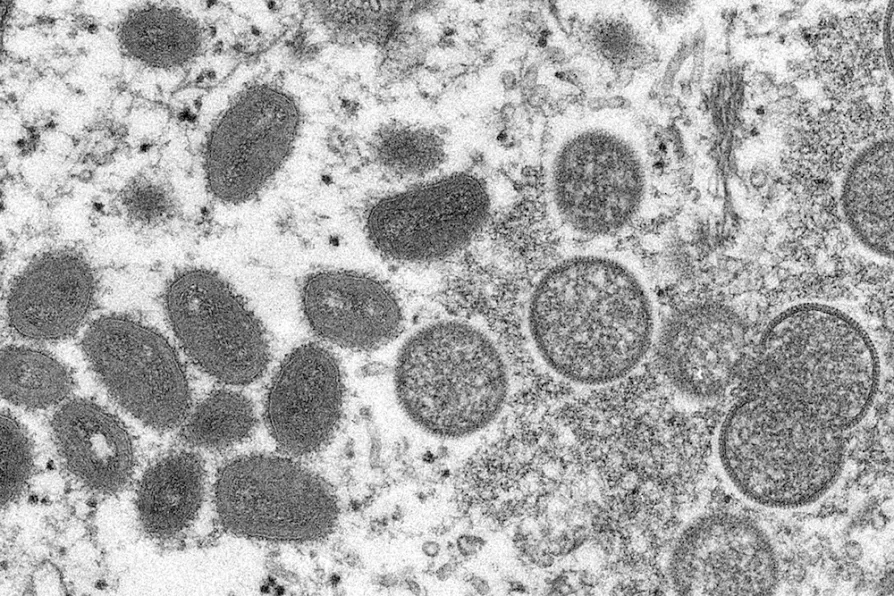 An electron microscope image of mature, oval-shaped monkeypox virions

ANDY McDONALD MP says Labour must show it is capable of delivering real improvements in people’s lives — bold action is required
ANGUS REID and ANDREW JOHNSTONE report on an initiative that we must take this summer
ALLISON FEWTRELL on what Plaid Cymru's historic election victory means for the communities being failed by Wales’s housing crisis, and four things the new government can do right now
France Insoumise MP JEROME LEGAVRE speaks to Christophe Domec on building the Europe-wide peace movement that came together in the International Conference Against War last weekend
At last weekend’s International Conference Against War, LINDA PENTZ GUNTER talks to the Palestinian physician and politician about the struggles ahead to achieve a truly free Palestine





IF YOU have been following infectious disease news since the Covid-19 pandemic, you may have already seen that Britain has reached over 300 cases of monkeypox. Monkeypox is a disease caused by the monkeypox virus, which belongs to a small family of viruses that also includes smallpox. In fact, monkeypox is so similar to smallpox that it was only recognised as a distinct pathogen after smallpox was eradicated in the 1970s. Smallpox vaccines are often also quite effective at preventing monkeypox.
Other members of the family include horsepox, cowpox, and camelpox — each named for the animal that they were believed to primarily affect. The viruses are transmitted between infected animals, with rodents acting as a reservoir of infection that can reintroduce the virus into other animal populations. Many of these animal poxes are also “zoonoses” (pronounced zoo-no-sees) since human infection with these viruses is possible through contact with an infected animal.
The exception in this virus family was smallpox due to its ability to only infect humans, with frequently debilitating or fatal consequences. Smallpox was eradicated through a considerable worldwide effort using the technique of “ring” vaccination.

Similar stories
The US blockade of Cuba raises risks of a new global pandemic, experts warn at Unison conference


The horrors in the Congo have much in common with Gaza’s genocide, most notably the financial and military support of the US, writes LINDA PENTZ GUNTER