All the evidence shows voters want Labour to shift to the left — but initial signs from Andy Burnham are worrying on that front, cautions DIANE ABBOTT


 Latest editorial
Orban and Vucic triumphant: liberalism in peril
KEVIN OVENDEN looks at how the Hungarian and Serbian elections failed to go the way the political centre wanted — and why that is as much the fault of the neoliberal opposition as it is due to support for the hard right
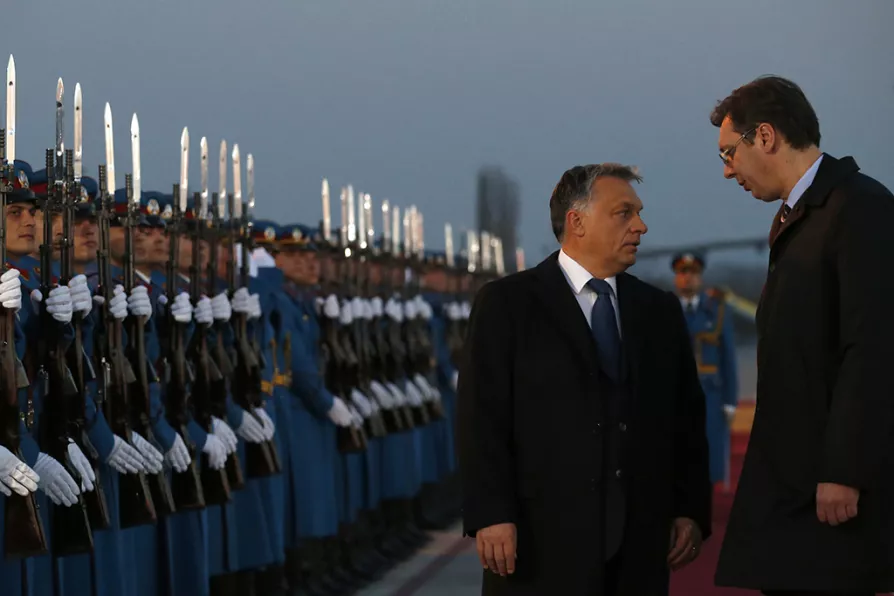 Hungarian and Serbian leaders Viktor Orban and Aleksander Vucic have been comfortably re-elected

ANDY McDONALD MP says Labour must show it is capable of delivering real improvements in people’s lives — bold action is required
ANGUS REID and ANDREW JOHNSTONE report on an initiative that we must take this summer
ALLISON FEWTRELL on what Plaid Cymru's historic election victory means for the communities being failed by Wales’s housing crisis, and four things the new government can do right now
France Insoumise MP JEROME LEGAVRE speaks to Christophe Domec on building the Europe-wide peace movement that came together in the International Conference Against War last weekend
At last weekend’s International Conference Against War, LINDA PENTZ GUNTER talks to the Palestinian physician and politician about the struggles ahead to achieve a truly free Palestine





SUNDAY’S ELECTIONS in Hungary and Serbia saw the return of incumbent right-wing nationalist leaders Viktor Orban and Aleksander Vucic against widespread predictions that they would do worse.
Orban’s Fidesz party won 135 of the 199 seats in the Hungarian parliament, giving him a two-thirds majority and a fifth term as prime minister. Vucic increased his direct vote for the presidency to 2.18 million. His party lost support in the parliamentary elections but that did not go to the liberal opposition. In both countries parties of the far right gained as did those ranging from sceptical of the West and its institutions through to pro-Russian.
The result should temper the triumphalism of politicians of the liberal centre who hailed first the victory of Emmanuel Macron in France five years ago and then of Joe Biden in the US as the vanquishing of “populism,” the restoration of “normal” politics and the inexorable advance of “progressive” capitalism.

Similar stories
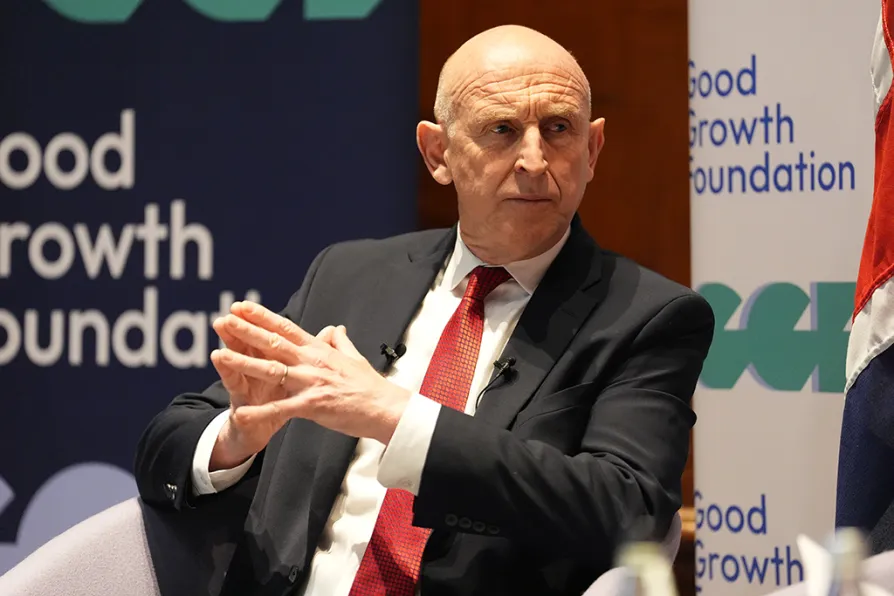
The defence secretary’s resignation reveals not a split over principle but a dispute over pace of military spending, as Britain’s political Establishment unites behind deeper Nato commitments, argues NICK WRIGHT
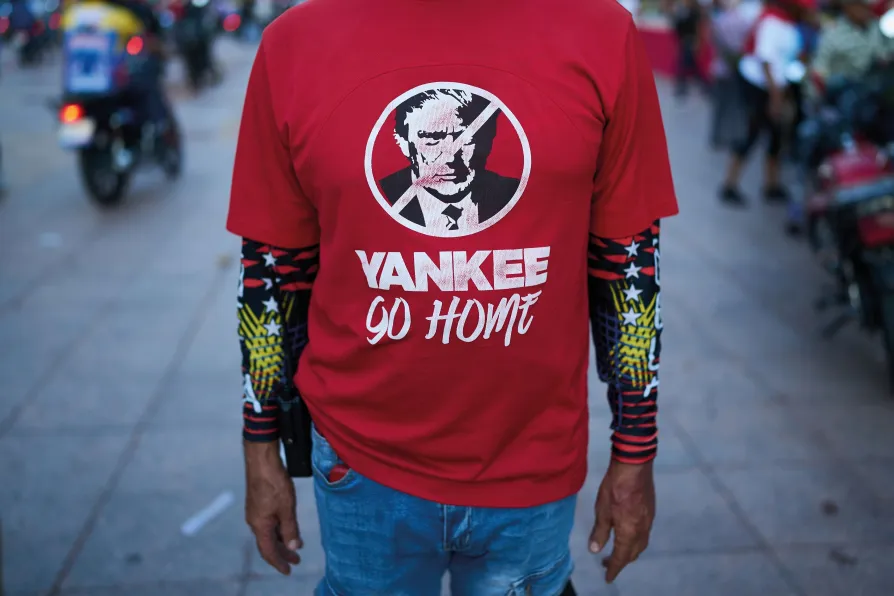
Western nations’ increasingly aggressive stance is not prompted by any increase in security threats against these countries — rather, it is caused by a desire to bring about regime changes against governments that pose a threat to the hegemony of imperialism, writes PRABHAT PATNAIK
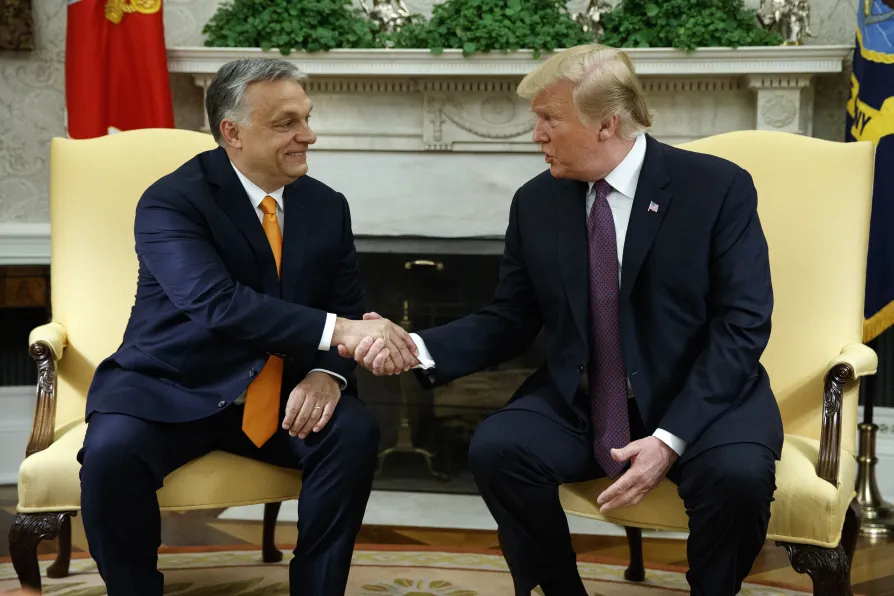
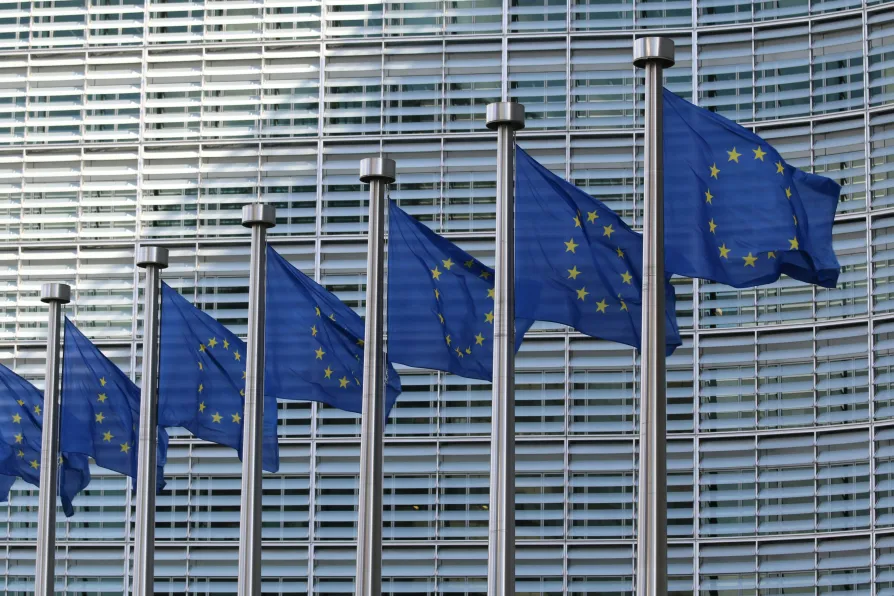
Starmer sabotaged Labour with his second referendum campaign, mobilising a liberal backlash that sincerely felt progressive ideals were at stake — but the EU was then and is now an entity Britain should have nothing to do with, explains NICK WRIGHT