All the evidence shows voters want Labour to shift to the left — but initial signs from Andy Burnham are worrying on that front, cautions DIANE ABBOTT


 Latest editorial
Namibia: a massacre the world forgot
After Germany lost WWI and with it Namibia, its colonial crimes there were almost buried — until the efforts of the socialist GDR, who in 1974 sent JOHN GREEN undercover to document the nation's past and present struggles
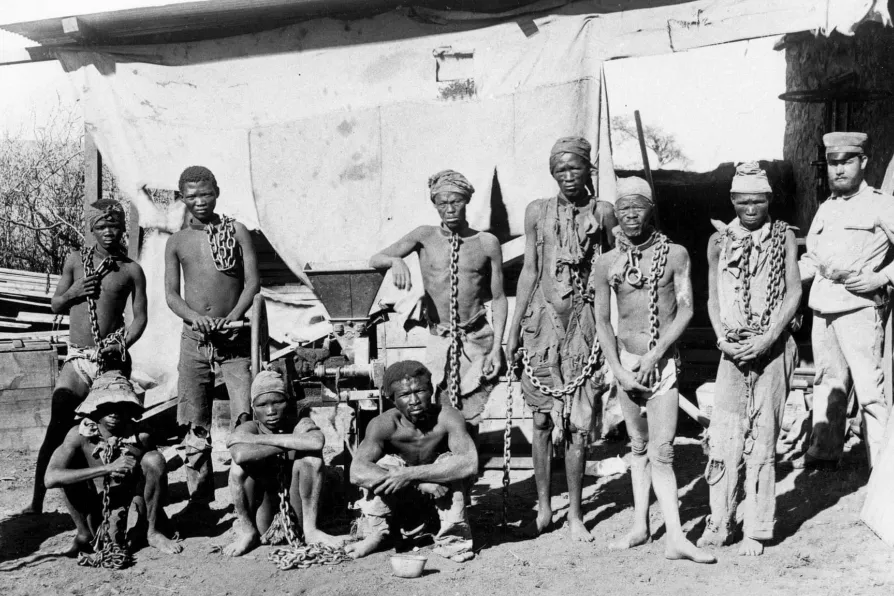 Captured Herero and Nama prisoners circa 1904. The Germans massacred large numbers of the indigenous population: between 24,000-100,000 Hereros and 10,000 Nama were killed in the 20th century’s first genocide.

ANDY McDONALD MP says Labour must show it is capable of delivering real improvements in people’s lives — bold action is required
ANGUS REID and ANDREW JOHNSTONE report on an initiative that we must take this summer
ALLISON FEWTRELL on what Plaid Cymru's historic election victory means for the communities being failed by Wales’s housing crisis, and four things the new government can do right now
France Insoumise MP JEROME LEGAVRE speaks to Christophe Domec on building the Europe-wide peace movement that came together in the International Conference Against War last weekend
At last weekend’s International Conference Against War, LINDA PENTZ GUNTER talks to the Palestinian physician and politician about the struggles ahead to achieve a truly free Palestine





IF WE think about the toxic colonial legacy of European countries, we invariably think of Britain, Spain, France or Belgium — but who knows anything about German colonialism? That will certainly be true for many, at least before they read the recent novel, After Lives by last year’s Nobel Prize winner, Tanzanian-born novelist Abdulrazak Gurnah, who highlights the brutality of German colonialism in Tanganyika.
Germany, just like other colonising nations, has scrupulously evaded examining its colonial past or attempting to come to terms with it.
Before its defeat in World War I, Germany held colonies in what today are 14 separate countries in Africa and among them was South-West Africa (present day Namibia). German South-West Africa had been a colony of the German empire from 1884 until 1915.

Similar stories

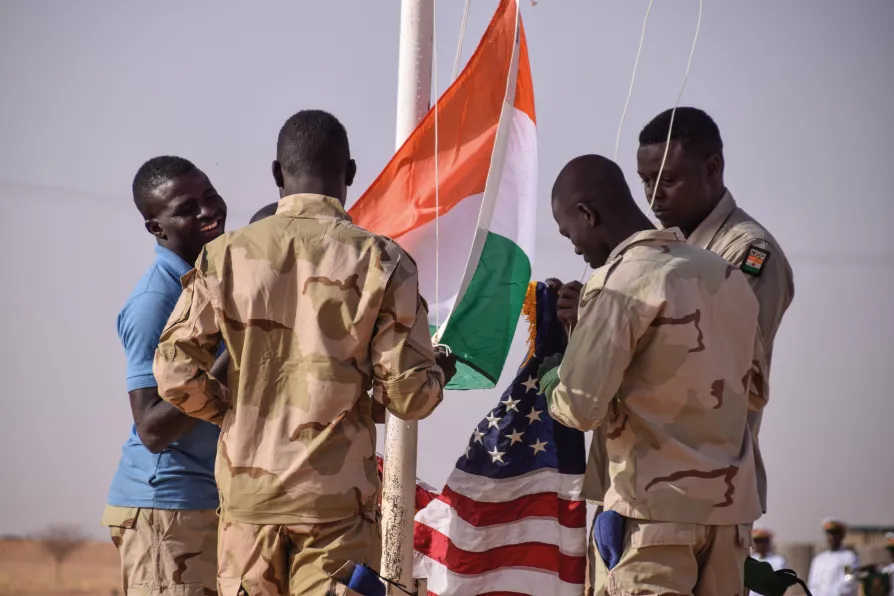
ROGER McKENZIE reports on the west African country, under its new anti-imperialist government, taking up the case for compensation for colonial-era massacres
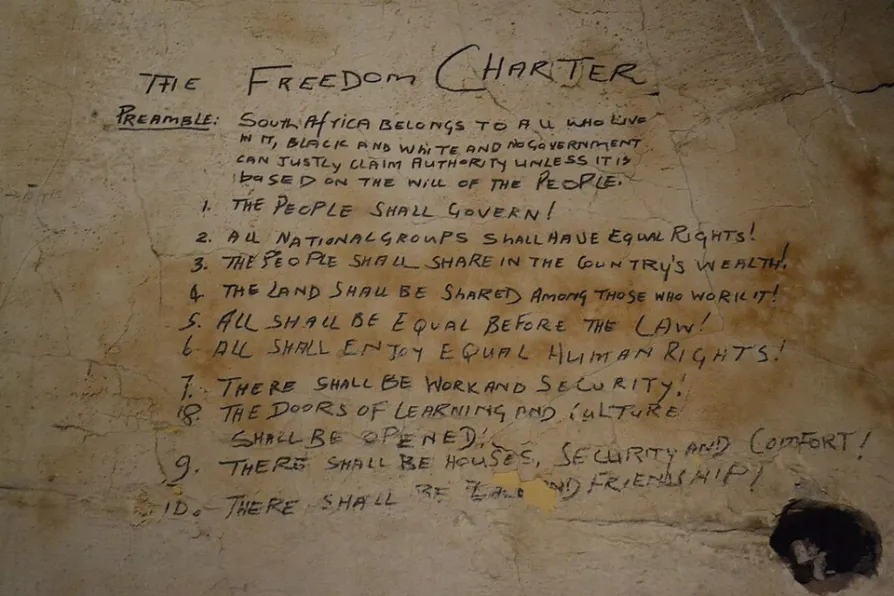
The charter emerged from a profoundly democratic process where people across South Africa answered ‘What kind of country do we want?’ — but imperial backlash and neoliberal compromise deferred its deepest transformations, argues RONNIE KASRILS
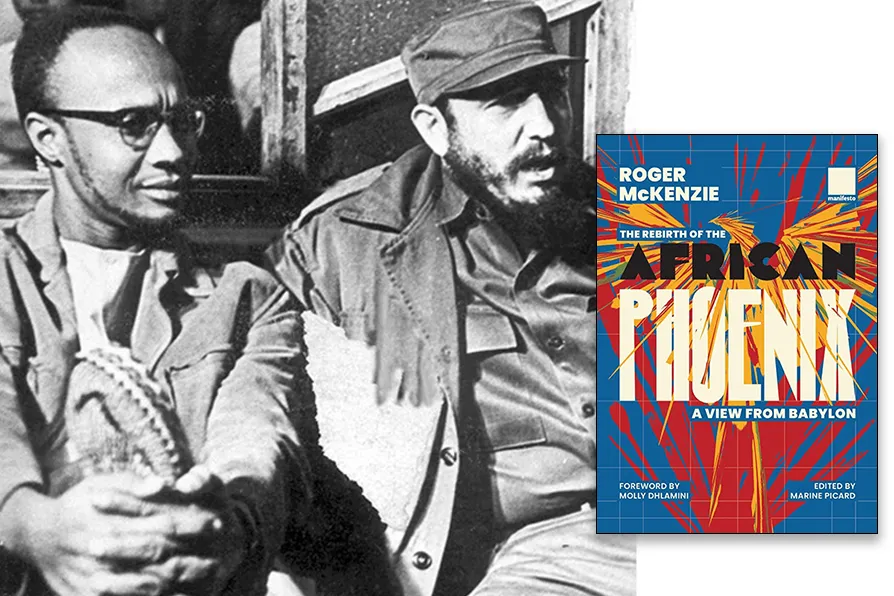
MOLLY DHLAMINI welcomes a Pan-Africanist and Marxist manifesto that charts a path for Africa’s resurgence