All the evidence shows voters want Labour to shift to the left — but initial signs from Andy Burnham are worrying on that front, cautions DIANE ABBOTT


 Latest editorial
Error message
An error occurred while searching, try again later.Latin America’s left stands with Palestine
Grounded in anti-imperialist history and lived co-operation, the region’s support highlights a growing global South resistance to genocide and domination, argues MATT WILLGRESS
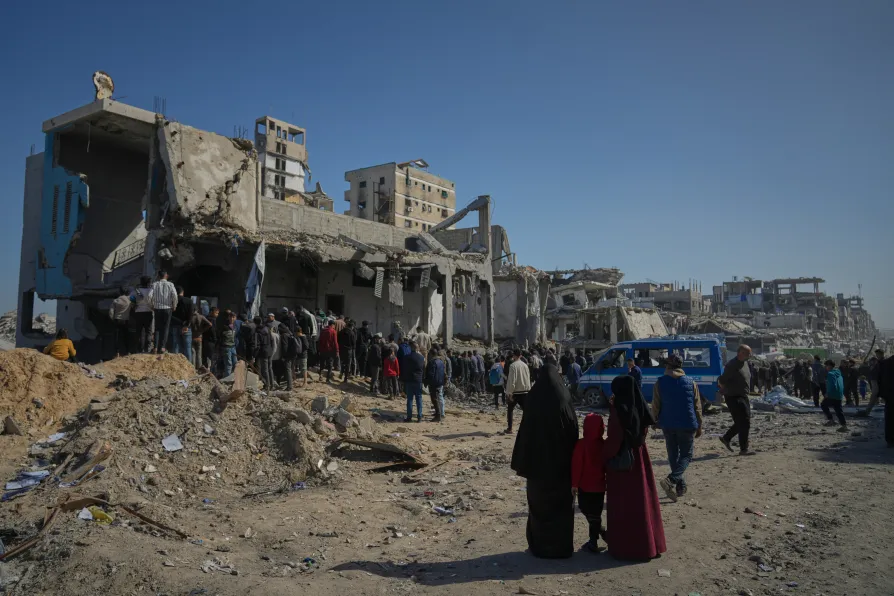 Palestinians search for bodies and survivors from the rubble of a police station after it was targeted by an Israeli army strike in Gaza City, January 31, 2026
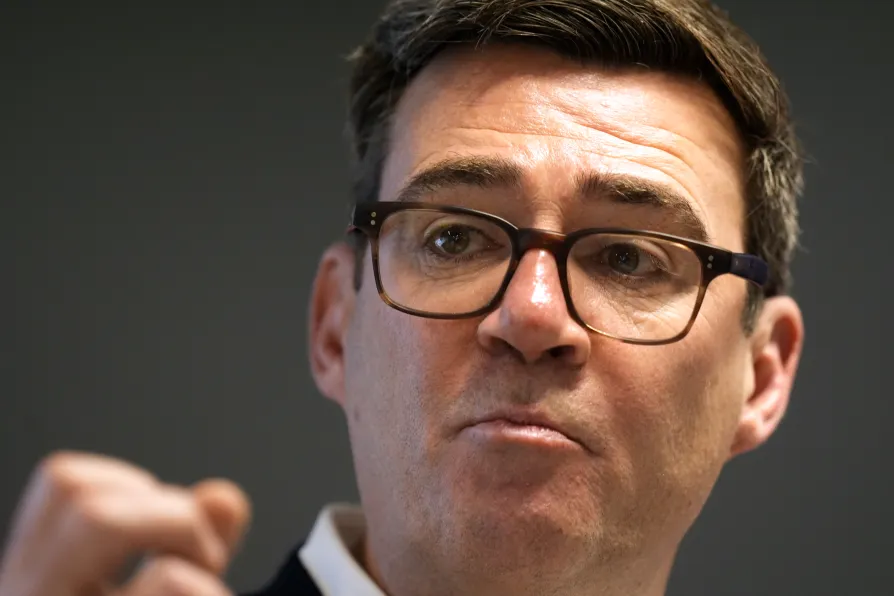
ANDY McDONALD MP says Labour must show it is capable of delivering real improvements in people’s lives — bold action is required
ANGUS REID and ANDREW JOHNSTONE report on an initiative that we must take this summer
ALLISON FEWTRELL on what Plaid Cymru's historic election victory means for the communities being failed by Wales’s housing crisis, and four things the new government can do right now
France Insoumise MP JEROME LEGAVRE speaks to Christophe Domec on building the Europe-wide peace movement that came together in the International Conference Against War last weekend
At last weekend’s International Conference Against War, LINDA PENTZ GUNTER talks to the Palestinian physician and politician about the struggles ahead to achieve a truly free Palestine





IN NOVEMBER, on Palestinian Independence Day 2025 — just months before his illegal and grotesque kidnapping by Donald Trump’s US — Venezuela’s President Nicolas Maduro issued a powerful statement reiterating his support for the Palestinian cause.
He declared: “We will not abandon this sacred cause until the ultimate goal is achieved: Palestine will rise, free and independent.” He added: “We will only reach real peace when justice is served for the crimes and genocide committed. Only then can we begin to recover from the rubble and devastation.”
These comments were another clear illustration of a commitment he and his predecessor Hugo Chavez have maintained since the latter’s election in 1998. Indeed, Chavez was awarded the Star of Palestine honour for all he did on this issue, including expelling the Israeli ambassador in 2009. As the Popular Front for the Liberation of Palestine said at the time of his passing, Chavez’s “heroic stand against the aggression and tyranny of the occupation” will never be forgotten.
It is perhaps then no surprise that whilst popular Palestinian social and political forces have expressed opposition to Trump’s war on Venezuela, some of the most vocal political forces in the world that have supported Israel’s genocide in Gaza have also been at the forefront of backing Trump in Venezuela.
As in the case of Venezuela, at a time of great crises — and Trump 2.0’s war on the majority of humanity — socialists can see how the world is changing through reactions to the ongoing war crimes on the people of Gaza.
In particular, this can be seen by how many governments and social movements across the global South have led efforts to offer solidarity to Palestine — notably from across Latin America’s left.
In addition to Venezuela’s support, fellow Alba (the Bolivarian Alternative Alliance for the Peoples of Our America) bloc members, Nicaragua and Cuba, have strong traditions of solidarity with Palestine.
In the case of Nicaragua, for the past decade links have been strengthened through people-to-people links, with one example being Palestinian doctors training their Nicaraguan counterparts in trauma surgery, with the Nicaraguan Ministry of Health sharing information about the country’s free healthcare system based on a community model.
In addition to backing the South Africa case against Israel in the International Court of Justice (ICJ), Nicaragua has also used “international legal weapons” to support Palestine based on the country’s experience of winning a 1986 case against the US in the ICJ.
In March 2024, Nicaragua took Germany to the ICJ under the Genocide Convention for “facilitating the commission of genocide” in Palestine through supplying military equipment to Israel and defunding the United Nations Relief and Works Agency for Palestine Refugees (UNRWA).
A verdict is still pending. Meanwhile, an indignant and embarrassed Germany has filed an objection challenging the jurisdiction of the court over the case.
Cuba also remains one of Palestine’s most vocal international supporters, rooted in shared anti-colonial and anti-imperialist struggles. Having severed diplomatic relations with Israel in 1973, it also joins many other nations in the region in recognising the state of Palestine.
President Miguel Diaz-Canel has personally led massive marches in Havana in solidarity with Palestine. In October 2025, over 100,000 Cubans rallied in Havana to demand an end to the conflict.
Additionally, despite the illegal, murderous US blockade of the island, Cuba continues to provide free medical education to Palestinian students, with 250 to 300 Palestinians currently training as doctors in Cuba.
Beyond Cuba, Nicaragua and Venezuela, a wide range of other forces in Latin America have also stood by Palestine on the global stage.
Many of these efforts have been supported by the Lula government of Brazil, which has sent aid to Palestine, and joined other governments in 2023 and 2024 in withdrawing their ambassadors from Tel Aviv, including Colombia under President Gustavo Petro.
Colombia also announced a halt to all Israeli weapons purchases in 2024, and suspended coal exports to Israel, which previously accounted for approximately 60 per cent of Israel’s total coal imports.
Multiple countries have also supported South Africa’s aforementioned case against Israel at the ICJ — including Brazil, Chile, Colombia, Cuba and Nicaragua — while most Latin American nations recognise the state of Palestine. A recent addition in this regard is Mexico, with left-wing President Claudia Sheinbaum welcoming the Palestinian ambassador and supporting Palestine’s bid for full UN membership.
However, it’s also important to realise that it is not just in the actions of governments that we see solidarity with Palestine. We see it through the actions of socialist, union and social movements which have organised mammoth marches and other solidarity action across the region. Brazil’s Landless Workers’ Movement, to give just one example, has sent delegations for olive harvests in the West Bank.
These examples show how vital it is that every socialist activist here not only stands with Palestine but also with the left in Latin America as warmongering Trump seeks to reassert US domination — building links and solidarity to ensure that their internationalist policies are not silenced in favour of a return to the bad old days of US-domination.
Join the Venezuela Solidarity Campaign at www.venezuelasolidarity.co.uk/join.