All the evidence shows voters want Labour to shift to the left — but initial signs from Andy Burnham are worrying on that front, cautions DIANE ABBOTT


 Latest editorial
Keir Starmer and the Labour’s supposed ‘broad church’
Normally in British politics, leftwingers defect right. Under Blair and now Starmer however, this trend seems to reverse, calling into question the ‘broad church’ that welcomes Tories and excludes socialists, writes KEITH FLETT
 Labour leader Sir Keir Starmer with former Conservative MP Natalie Elphicke in his parliamentary office in the House of Commons, London, after it was announced she has defected to Labour, hitting out at the "broken promises of Rishi Sunak's tired and chaotic government". Picture date: Wednesday May 8, 2024.

ANDY McDONALD MP says Labour must show it is capable of delivering real improvements in people’s lives — bold action is required
ANGUS REID and ANDREW JOHNSTONE report on an initiative that we must take this summer
ALLISON FEWTRELL on what Plaid Cymru's historic election victory means for the communities being failed by Wales’s housing crisis, and four things the new government can do right now
France Insoumise MP JEROME LEGAVRE speaks to Christophe Domec on building the Europe-wide peace movement that came together in the International Conference Against War last weekend
At last weekend’s International Conference Against War, LINDA PENTZ GUNTER talks to the Palestinian physician and politician about the struggles ahead to achieve a truly free Palestine





HISTORICALLY, political defections in Britain have tended to go from left to right.
Beyond individual renegades, there are two significant markers: Ramsay MacDonald’s decision to split Labour and form a national government in 1931 and the departure of right-wing Labour MPs to the SDP (now the Lib Dems) in the early 1980s.
The 1930s also offered two further examples of significant splits. The first was Oswald Mosley’s New Party, which led to fascism. The second was the Independent Labour Party (ILP), which tried to recreate an independent socialist presence outside of Labour but was unable to do so.

Similar stories

Who you ask and how you ask matter, as does why you are asking — the history of opinion polls shows they are as much about creating opinions as they are about recording them, writes socialist historian KEITH FLETT
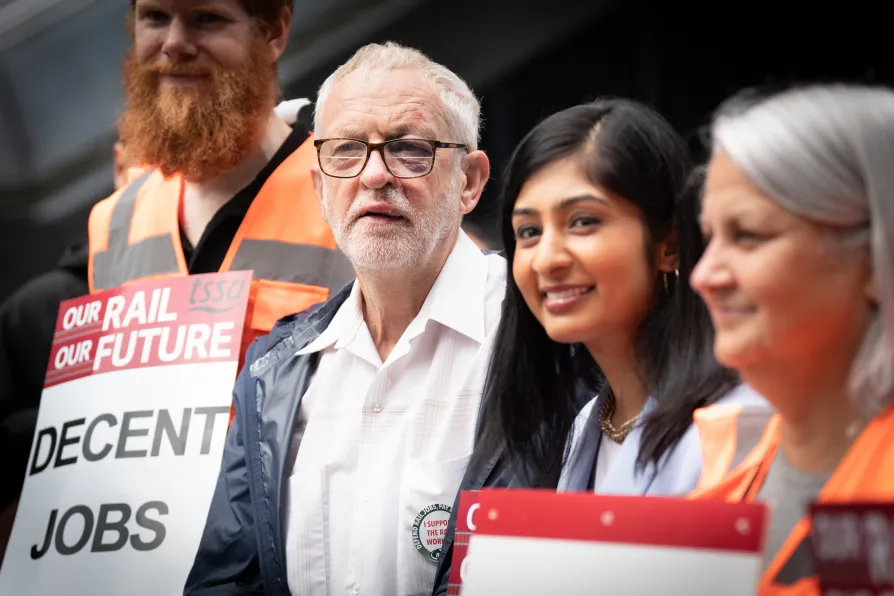
Corbyn and Sultana’s ‘Your Party’ represents the first attempt at mass socialist organisation since the CPGB’s formation in 1921, argues DYLAN MURPHY
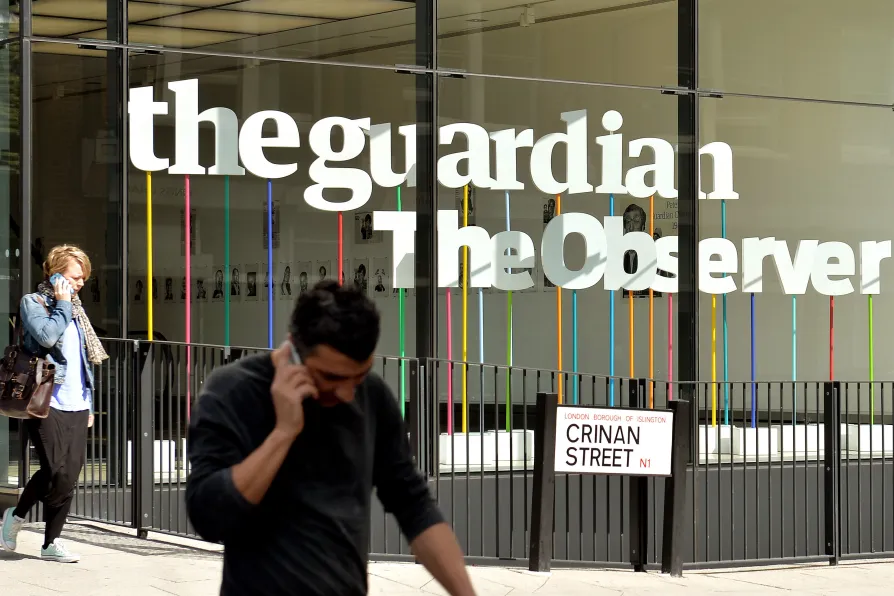
At the very moment Britain faces poverty, housing and climate crises requiring radical solutions, the liberal press promotes ideologically narrow books while marginalising authors who offer the most accurate understanding of change, writes IAN SINCLAIR
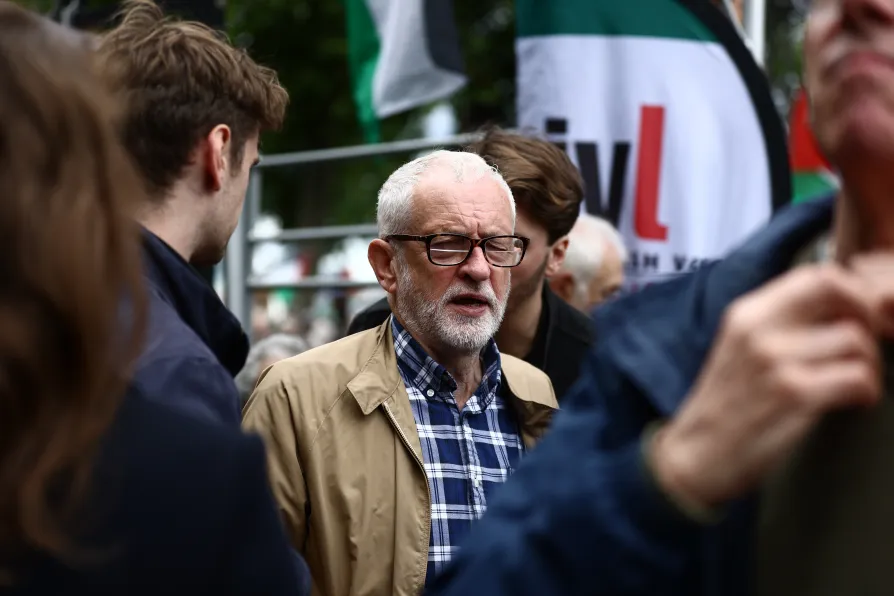
VINCE MILLS cautions over the perils and pitfalls of ‘a new left party’