Latest editorial
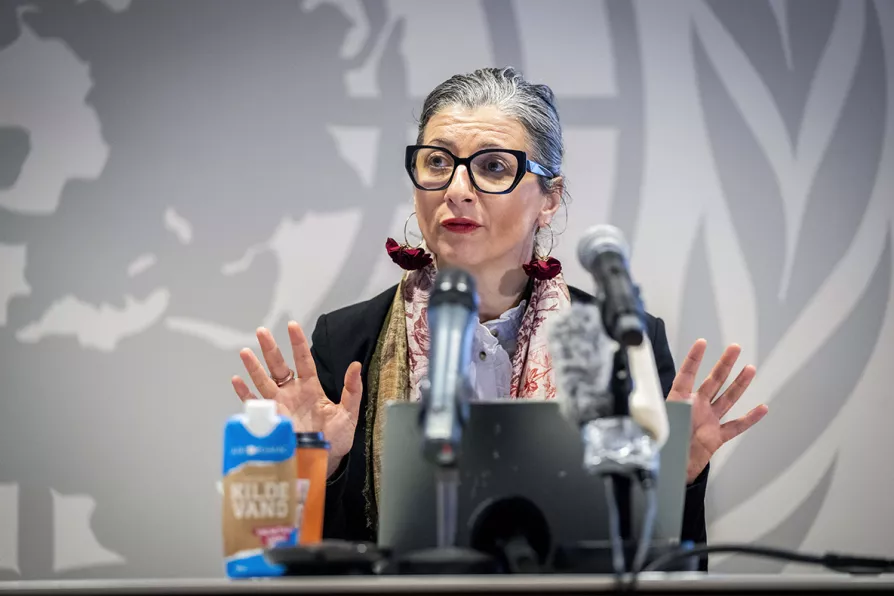 UN Special Rapporteur for the occupied Palestinian territories Francesca Albanese gives a press conference at the UN City in Copenhagen, February 5, 2025





THE Morning Star’s German sister paper Junge Welt has spoken out against the “grotesque and dangerous” intimidation of UN special rapporteur on Palestine Francesca Albanese when she spoke at its offices this week.
As reported in today’s Morning Star, Junge Welt allowed Ms Albanese to deliver a lecture on Israel’s violations of international law during its invasion of Gaza at its premises after the booked venue, Berlin’s Kuhlhaus, withdrew permission under pressure.
The UN official had had previous scheduled lectures cancelled by two German universities and has been denounced as an anti-semite for drawing attention to Israel’s war crimes.


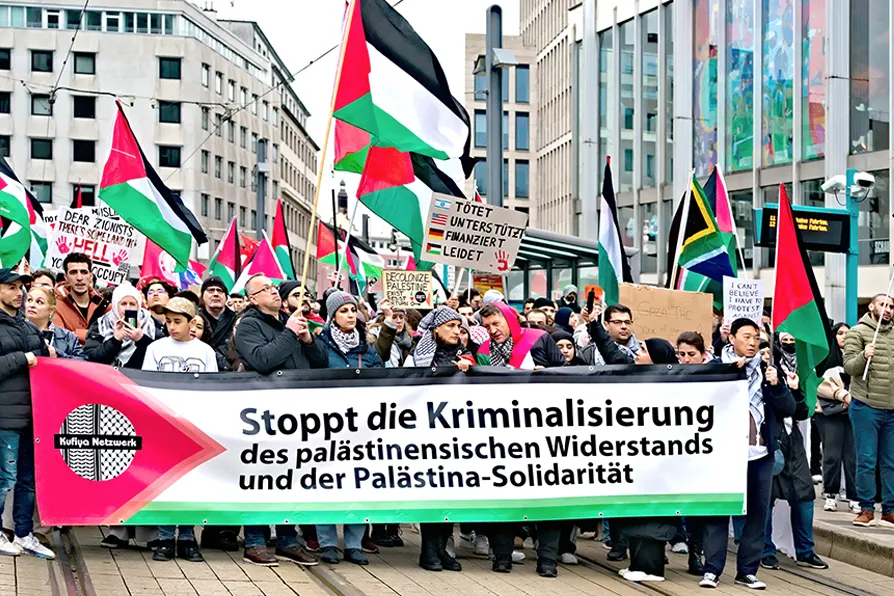
After NGOs and the EU, UN condemns Germany’s crackdown on Palestine Solidarity, writes LEON WYSTRYCHOWSKI
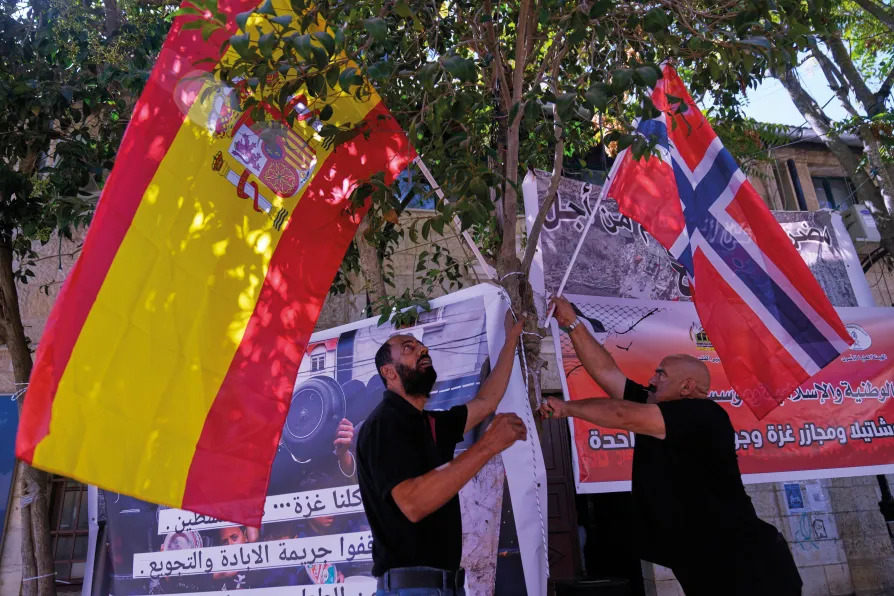
Spain has joined South Africa’s ICJ genocide case against Israel while imposing weapons bans and port restrictions, moves partly driven by trade unions — proving just how effectively civil society can reshape government policy, writes RAMZY BAROUD