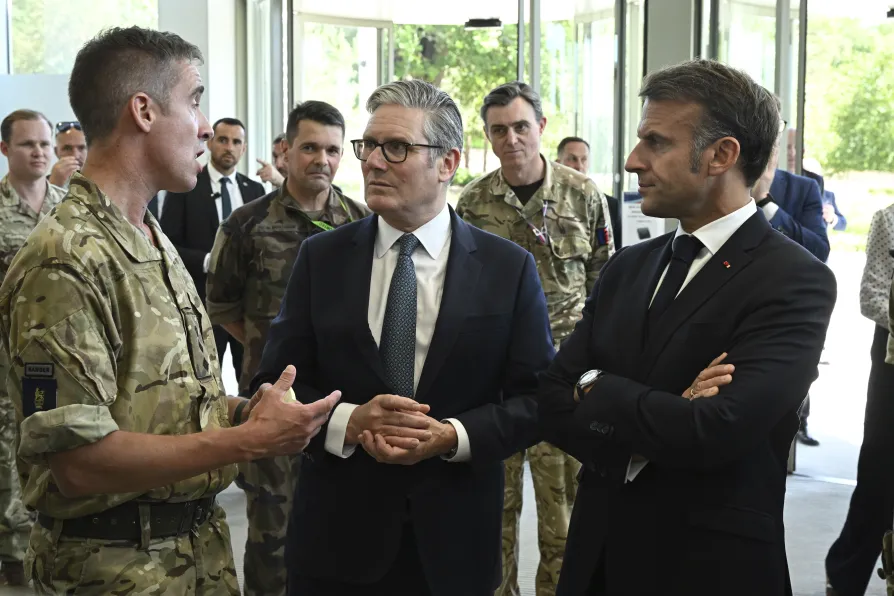
All the evidence shows voters want Labour to shift to the left — but initial signs from Andy Burnham are worrying on that front, cautions DIANE ABBOTT


 Latest editorial
How Chamberlain paved the way for world war
JOHN ELLISON looks back 80 years to the signing of the Munich agreement, which authorised Germany’s occupation of the Sudetenland
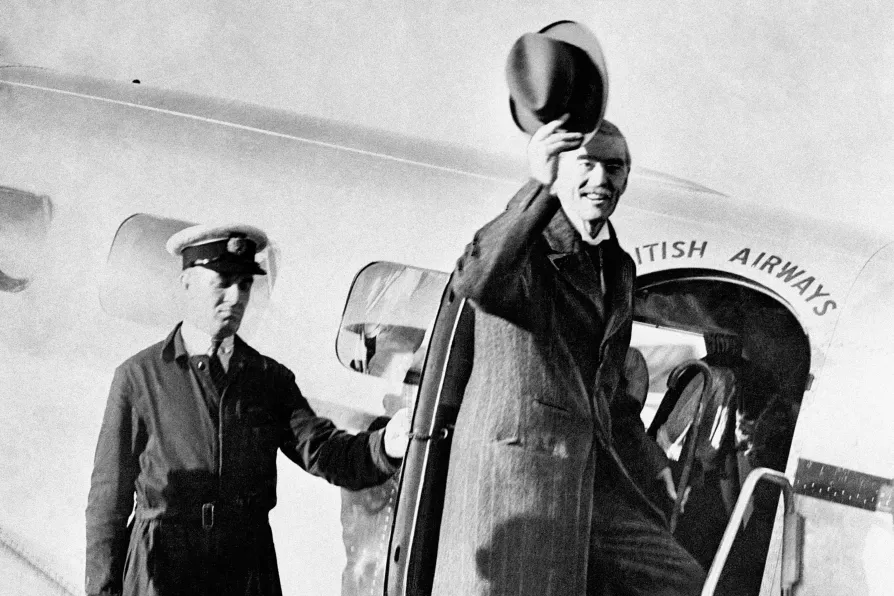 Neville Chamberlain waves his hat as he boards an aircraft bound for Munich before talks with Adolf Hitler
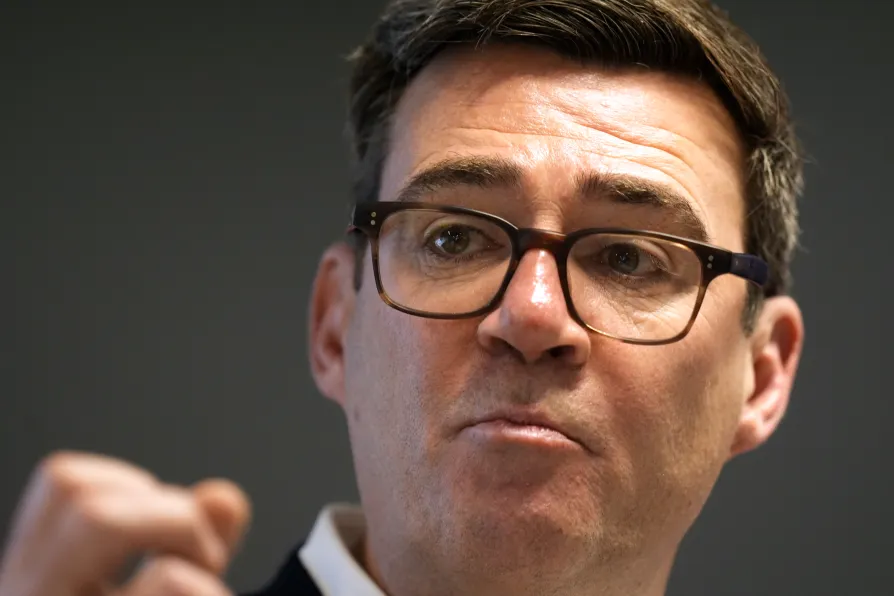
ANDY McDONALD MP says Labour must show it is capable of delivering real improvements in people’s lives — bold action is required
ANGUS REID and ANDREW JOHNSTONE report on an initiative that we must take this summer
ALLISON FEWTRELL on what Plaid Cymru's historic election victory means for the communities being failed by Wales’s housing crisis, and four things the new government can do right now
France Insoumise MP JEROME LEGAVRE speaks to Christophe Domec on building the Europe-wide peace movement that came together in the International Conference Against War last weekend
At last weekend’s International Conference Against War, LINDA PENTZ GUNTER talks to the Palestinian physician and politician about the struggles ahead to achieve a truly free Palestine





SEPTEMBER 30 1938 contained the fateful minutes during which Britain’s “national government” prime minister Neville Chamberlain and his French counterpart Edouard Daladier signed an agreement in Munich together with nazi Germany’s Hitler and fascist Italy’s Mussolini.
This “authorised” Germany’s armed forces to cross Czechoslovakia’s till then strongly fortified borders where they touched those of Germany and Austria, and to occupy some 11,000 square miles of the country’s outer edges — the Sudetenland.
The invasion proceeded promptly on October 1 without resistance, as Edvard Benes, the Czechoslovak leader, had been intimidated into surrender. Nazi occupation of the country’s much weakened residue, including Prague, unaddressed by the devils’ pact, was deferred until the following March.
Similar stories
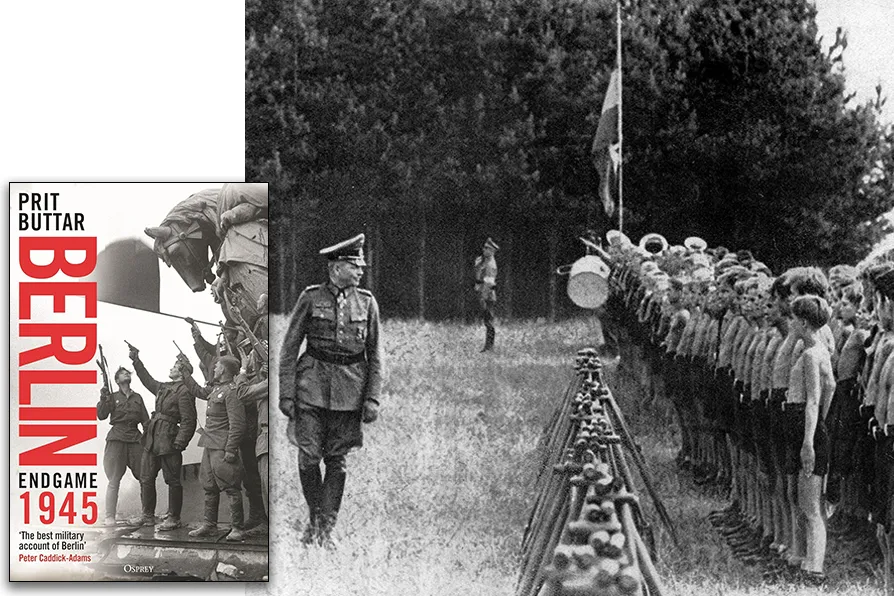
WILL PODMORE admires an account of the liberation of Berlin that overthrows the conventional US army-inspired account
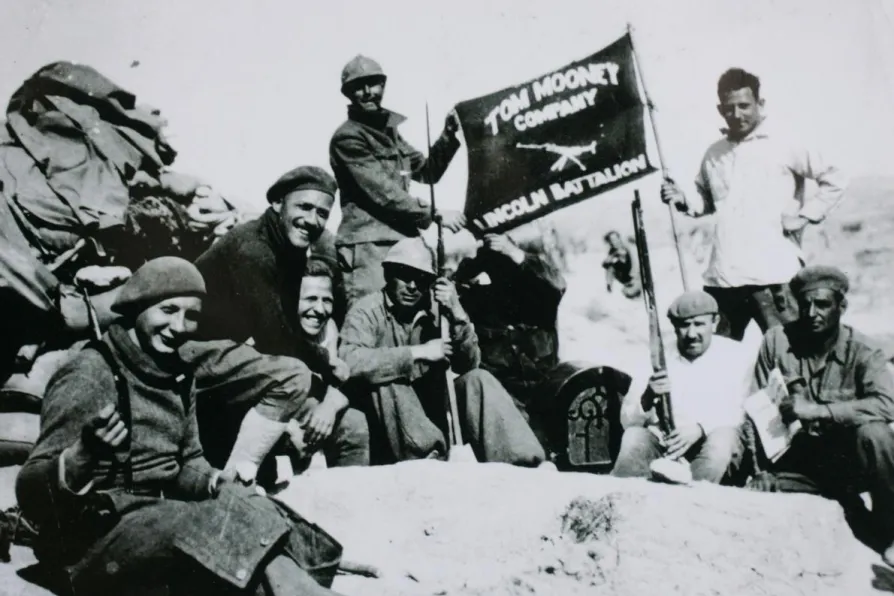
CJ ATKINS commemorates one of the most dramatic moments in working-class history
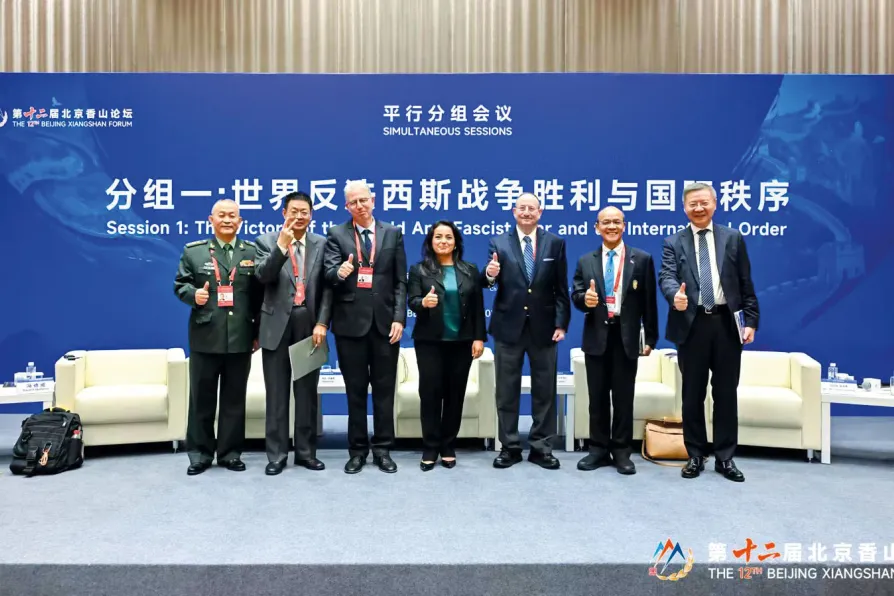
In a speech to the 12th Xiangshan Forum in Beijing, SEVIM DAGDELEN warns of a growing historical revisionism to whitewash Germany and Japan’s role in WWII as part of a return to a cold war strategy from the West — but multipolarity will win out