Charles Windsor challenged to declare full income as he becomes first monarch to release tax payments


 Latest editorial
Error message
An error occurred while searching, try again later.Government borrowing costs hit highest level since 2008 financial crisis
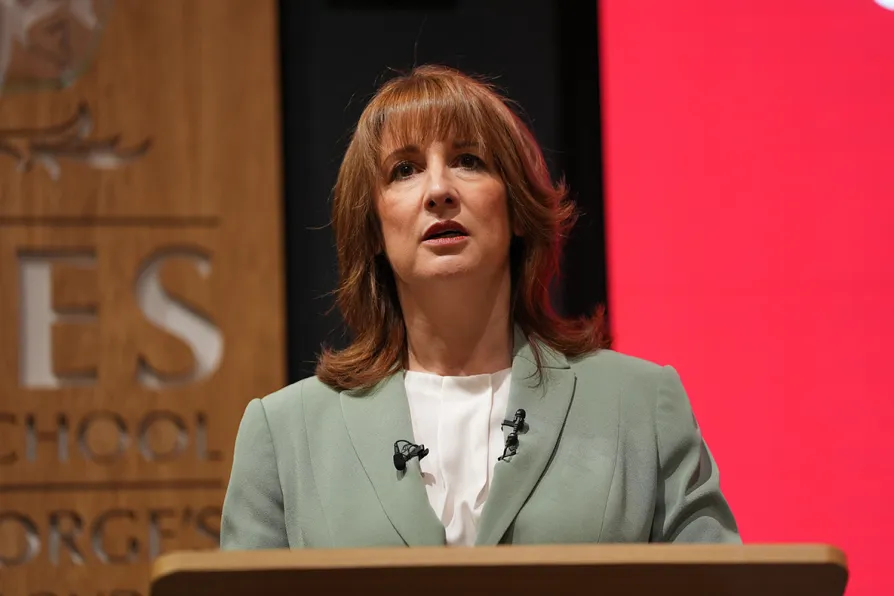 Chancellor of the Exchequer Rachel Reeves delivers the Mais Lecture at the Bayes Business School in central London, March 17, 2026





GOVERNMENT borrowing costs hit their highest level since the 2008 financial crisis after poorer than expected finance data pushed a government bond sell-off.
Yields on 10-year government bonds surged to 4.9 per cent at one stage today prompting worries over soaring inflation and rising interest rates.
Known as gilts, the 10-year bonds were up from 4.78 per cent on Thursday marking the highest rate in 18 years.
Two-year gilts also went up 11 percentage points reaching 4.52 per cent today after Thursday already marked the worst on-day sell off for any short-dated bonds since former PM Liz Truss’s mini-budget market turmoil in 2022.
Yields on bonds shift inversely to prices, rising as overall prices fall.
Economists claimed that the rising gilts yields could leave Chancellor Rachel Reeves with few options to protect Britons from the rising energy bill shock caused by the war in Iran.
Friday’s high followed the publication of official data last month revealing that government borrowing jumped to the second highest levels for the month of February since record-keeping began.
The Bank of England on Thursday opted to hold interest rates and warned that higher inflation raised the possibility of rate hikes if the war in the Middle East and the shock to energy prices continue. In 2022-23, its policy of rate hikes hugely enriched banks and the asset-rich, while raising the cost of living for ordinary people.
Office for National Statistics (ONS) data found public-sector borrowing stood at £14.3 billion in February.
This was £2.2bn higher than the previous year and nearly double the predicted £7.4bn by financial watchdog the Office for Budget Responsibility (OBR) in November last year.
But most economists were expecting a fall in borrowing of £8.8bn for the month of February.