Charles Windsor challenged to declare full income as he becomes first monarch to release tax payments


 Latest editorial
Foreign Office unlawfully gave spooks power to collect personal data for a decade
SAM TOBIN reports from central London
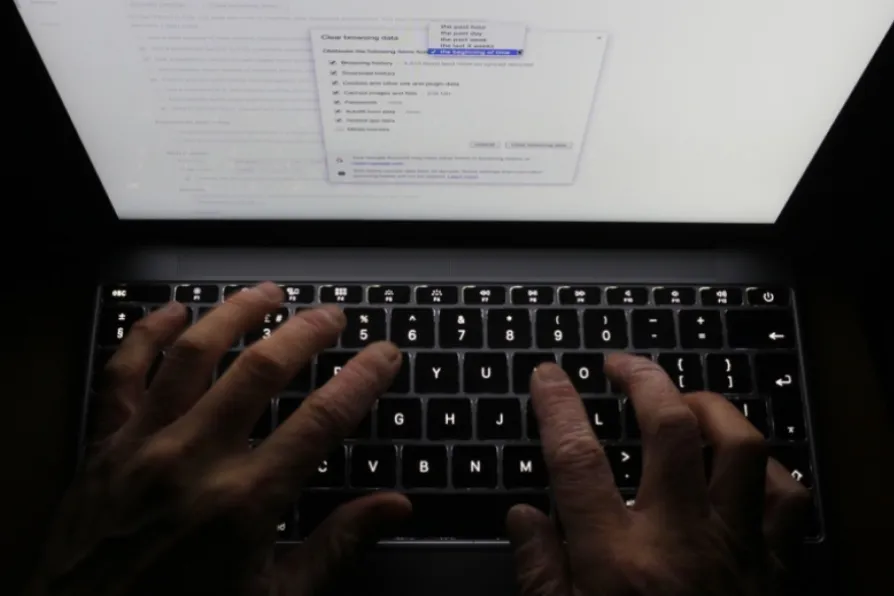





THE Foreign Office unlawfully gave British spooks the power to collect huge amounts of personal information from telecommunications companies for over a decade, the Investigatory Powers Tribunal ruled today.
Campaign group Privacy International has been involved in a long-running legal battle with the Foreign and Home Offices, GCHQ, MI5 and MI6 over the collection and retention of bulk communications data and bulk personal datasets.
Since the September 11 2001 terrorist attacks, the Foreign Office has power to direct snooping agency GCHQ to obtain data from communications companies — but the tribunal found that that power was unlawfully delegated to GCHQ in “most” cases between 2001 and 2012, which gave it “unfettered discretion” as to what to request.

Similar stories
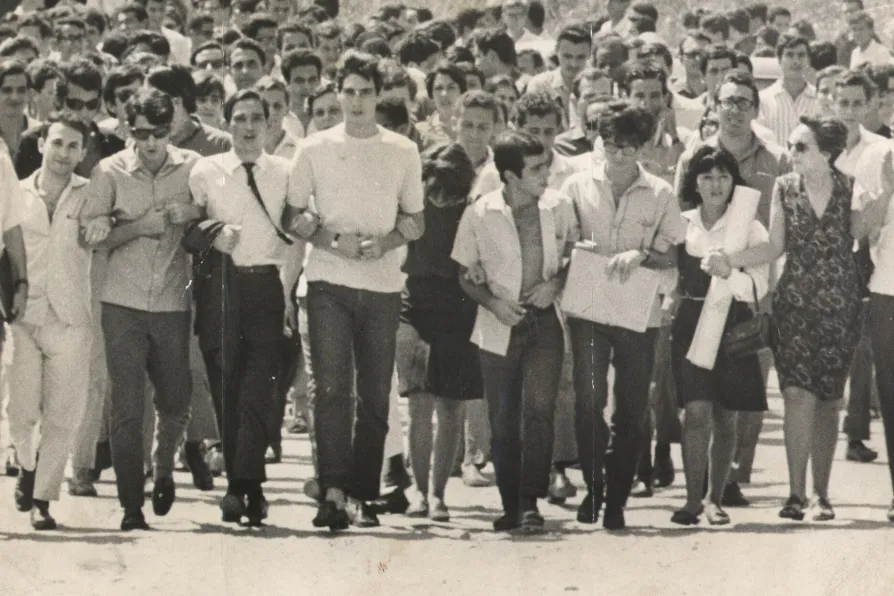
Newly revealed documents reveal that MI5 taught Brazilian secret police the techniques deployed by the 1964-85 military dictatorship in horrific prisons like Rio de Janeiro’s House of Death. SARA VIVACQUA reports

ANSELM ELDERGILL examines the difficulties surrounding freedom of expression

JOHN GREEN has doubts about the efficacy of the Freedom of Information Act, once trumpeted by Tony Blair
Starmer sabotaged Labour with his second referendum campaign, mobilising a liberal backlash that sincerely felt progressive ideals were at stake — but the EU was then and is now an entity Britain should have nothing to do with, explains NICK WRIGHT