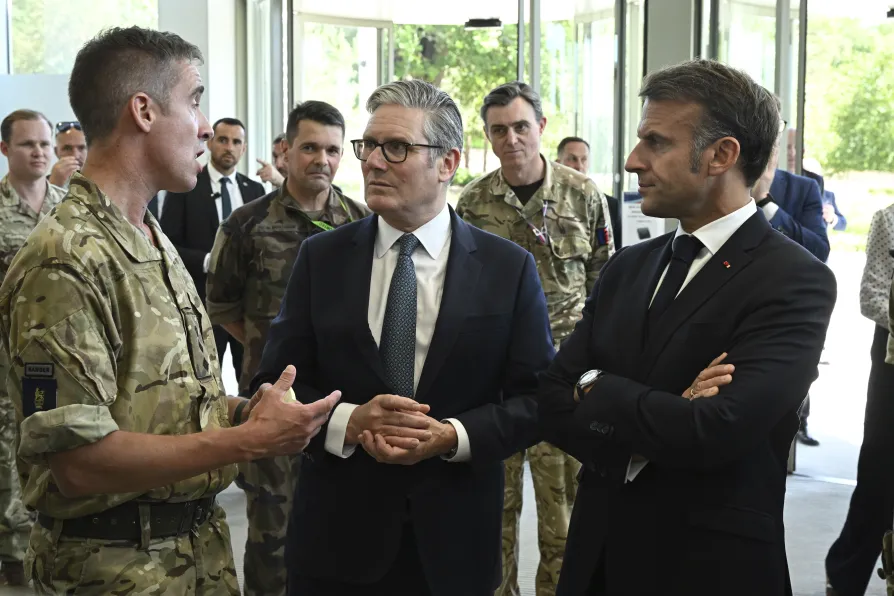
All the evidence shows voters want Labour to shift to the left — but initial signs from Andy Burnham are worrying on that front, cautions DIANE ABBOTT


 Latest editorial
As in World War I, socialists standing for peace today are demonised – but we must raise our voices
JOHN McINALLY points to parallels between the inter-imperialist conflict that erupted 109 years ago today and the current war in Ukraine
 A Ukrainian soldier shelters in a trench on the frontline in the Zaporizhzhia region, the site of heavy fighting with Russian troops, August 10 2023
ANDY McDONALD MP says Labour must show it is capable of delivering real improvements in people’s lives — bold action is required
ANGUS REID and ANDREW JOHNSTONE report on an initiative that we must take this summer
ALLISON FEWTRELL on what Plaid Cymru's historic election victory means for the communities being failed by Wales’s housing crisis, and four things the new government can do right now
France Insoumise MP JEROME LEGAVRE speaks to Christophe Domec on building the Europe-wide peace movement that came together in the International Conference Against War last weekend
At last weekend’s International Conference Against War, LINDA PENTZ GUNTER talks to the Palestinian physician and politician about the struggles ahead to achieve a truly free Palestine





NO SERIOUS person, certainly no socialist, would disagree that the first world war was an inter-imperialist conflict between “great powers” in pursuit of markets, resources, and hegemony.
Isn’t hindsight a wonderful thing. At the time, one hundred and nine years ago today, the majority of socialists, trade union leaders and prominent “Marxists” abandoned international class solidarity, capitulated to war fever, embraced national chauvinism, effectively endorsing the industrialised slaughter of millions of workers of all combatant nations.
Socialists who opposed the war and exposed its real cause — imperialist profiteering — were marginalised and victimised. In Britain, John MacLean and other socialists were imprisoned under the Defence of the Realm Act.

Similar stories

The defence secretary’s resignation reveals not a split over principle but a dispute over pace of military spending, as Britain’s political Establishment unites behind deeper Nato commitments, argues NICK WRIGHT
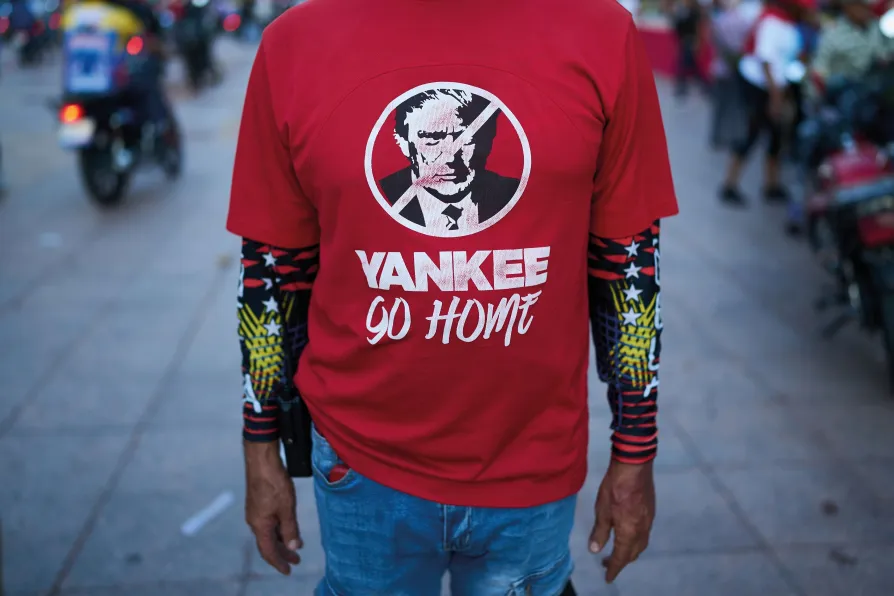
Western nations’ increasingly aggressive stance is not prompted by any increase in security threats against these countries — rather, it is caused by a desire to bring about regime changes against governments that pose a threat to the hegemony of imperialism, writes PRABHAT PATNAIK

In a speech to the 12th Xiangshan Forum in Beijing, SEVIM DAGDELEN warns of a growing historical revisionism to whitewash Germany and Japan’s role in WWII as part of a return to a cold war strategy from the West — but multipolarity will win out