Economists estimate extreme poverty could be drastically reduced for a fraction of global defence spending, yet military budgets continue to expand year on year, says JON TRICKETT MP, ahead of the Stop the War International Conference on Saturday


 Latest editorial
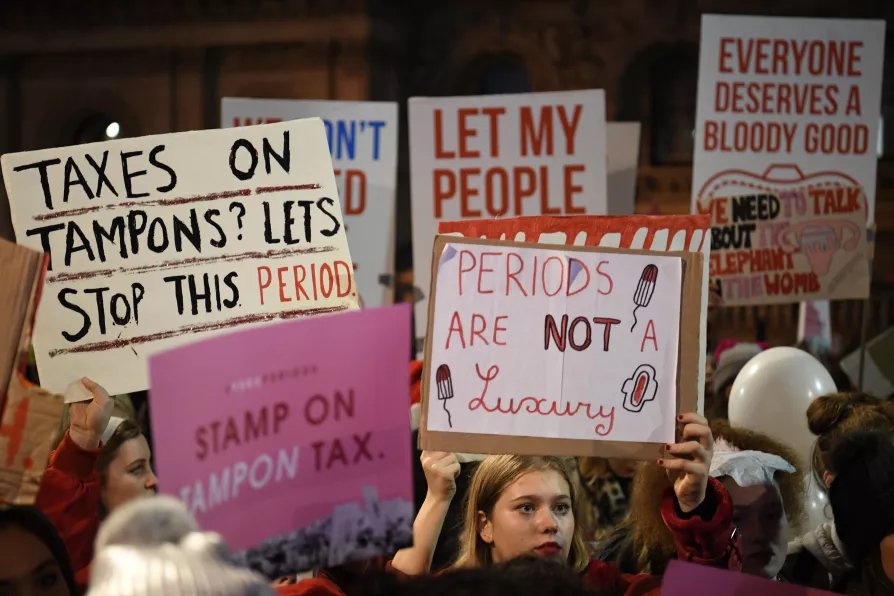
Why did women put up with being made to feel ashamed of their periods for so long?
KATE RAMSDEN welcomes the women who are speaking out and taking action over period poverty – and challenging the narrative of ‘shame’ at the same time
As Unison launches its Year of Women Workers, ANNIE COGAN-THOMAS argues that stronger organisation and collective bargaining are essential to winning equality
Trade unions, trades councils and community organisations must work together to build lasting solidarity and resistance to the far right, argues DREW GILCHRIST
Recent violence in Belfast was not spontaneous — it was built on years of failure and political neglect, argues STIOFAN O NUALLAIN
As delegates meet in Brighton this week, Unison faces pressing questions about pay, organising, workers’ rights and political representation, explains ANDY CHAFFER
Andy Burnham’s growing stature has fuelled hopes of a Labour revival – but ALAN SIMPSON warns that Britain’s crisis runs far deeper than just its leadership and traces its roots to decades of financialised capitalism





ELEVEN years ago, Thabitha Khumalo of the Zimbabwe Congress of Trade Unions addressed Unison conference and STUC Congress asking for support for Dignity Period, a charity set up by Action for Southern Africa to provide sanitary wear for women in Zimbabwe.
Because of the economic situation many women and girls just couldn’t afford sanitary products and resorted to using leaves, bark or newspapers, which caused infection and sometimes death.
I remember back then being appalled at the indignity and the serious health implications for these women and girls.

Similar stories

After battling hills, rain and injury in a three-day cycle ride ending at the CWU conference, MATT KERR reflects on why class unity remains the answer to injustice
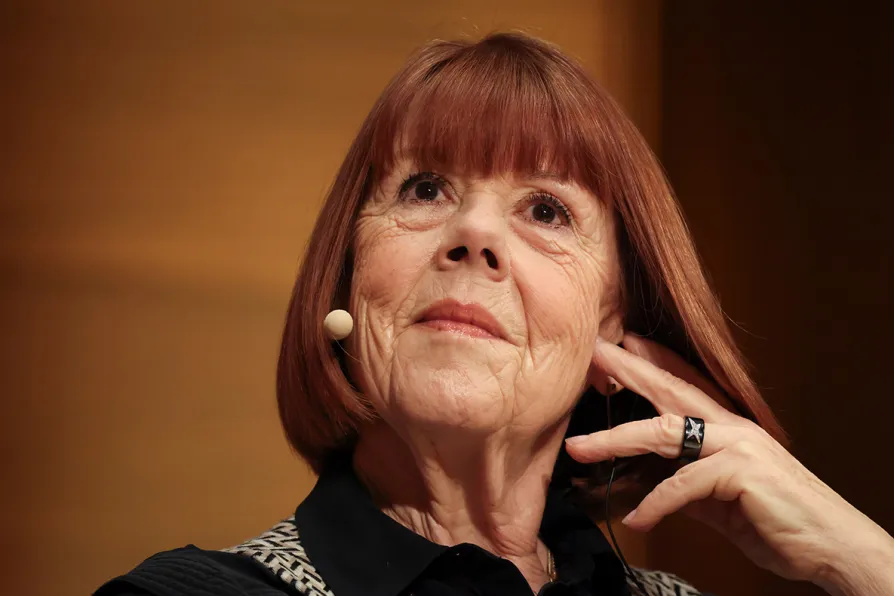
Gisele Pelicot said ‘shame must change sides.’ We may think we agree, but, argues LOUISE RAW, society still has some way to go
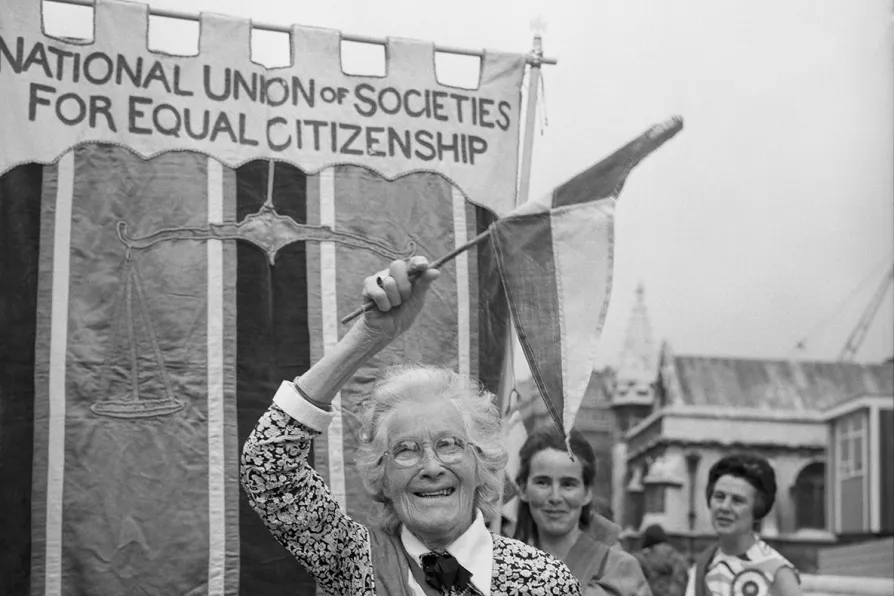
Half a century after transformative laws reshaped Britain, women’s rights are again contested. This International Women’s Day is a call to remember how change was won, and to organise to defend it, says KATE RAMSDEN

Susan Galloway talks to ASH REGAN MSP about her “Unbuyable” Bill, seeking to tackle the commercial sexual exploitation of women in Scotland