All the evidence shows voters want Labour to shift to the left — but initial signs from Andy Burnham are worrying on that front, cautions DIANE ABBOTT


 Latest editorial
Using divine traditions theocratic regime launches a new wave of repression in Iran
Human rights advocates have called for an international outcry against the wave of arrests taking place in Iran, explains JAMSHID AHMADI
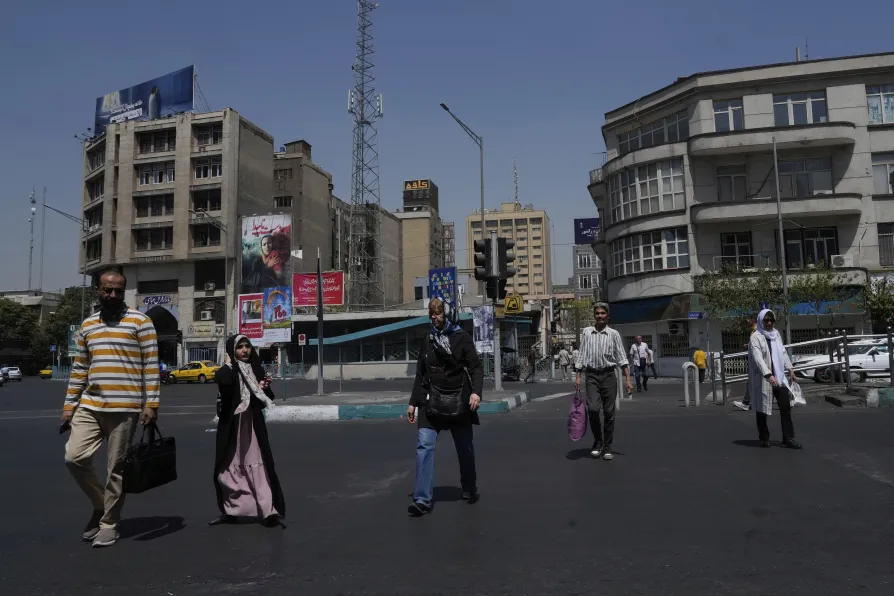
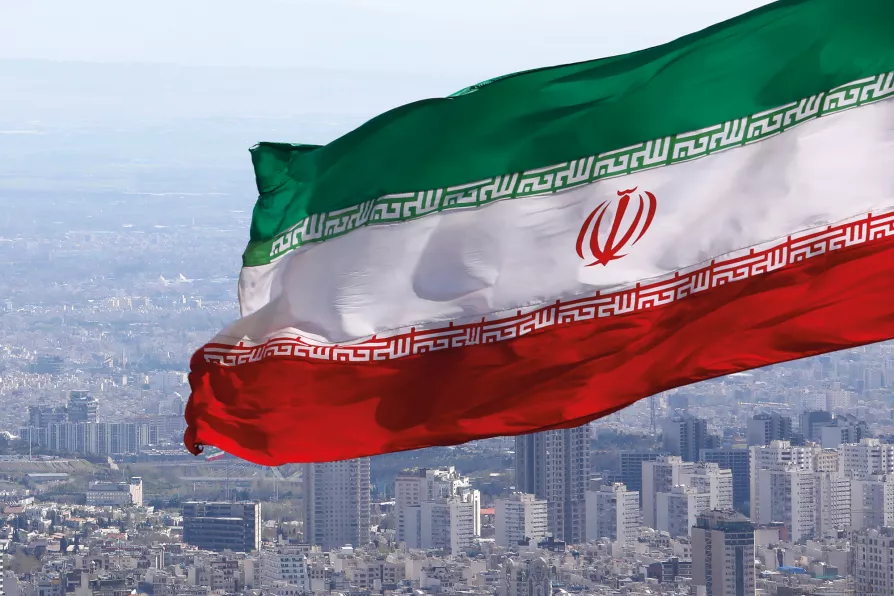 Iran’s flag flying over its capital city, Tehran
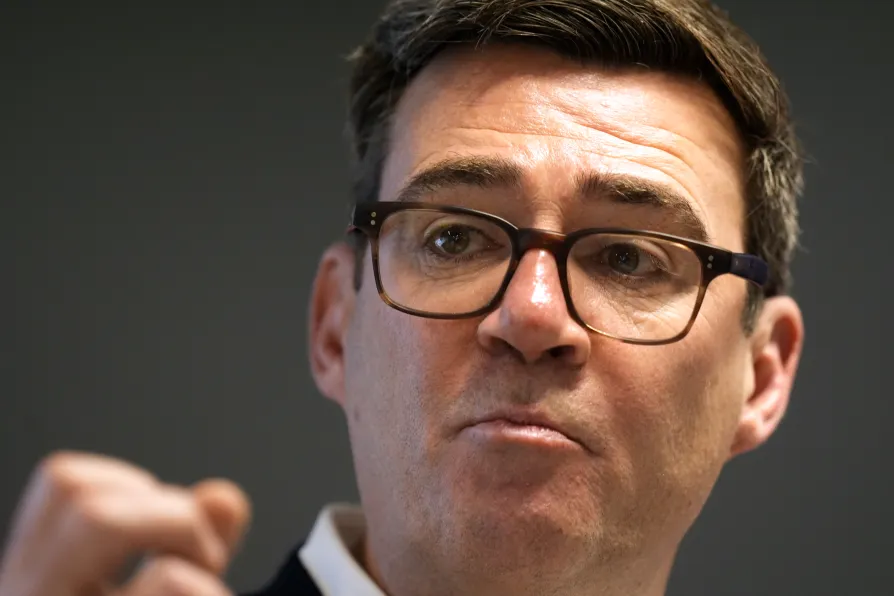
ANDY McDONALD MP says Labour must show it is capable of delivering real improvements in people’s lives — bold action is required
ANGUS REID and ANDREW JOHNSTONE report on an initiative that we must take this summer
ALLISON FEWTRELL on what Plaid Cymru's historic election victory means for the communities being failed by Wales’s housing crisis, and four things the new government can do right now
France Insoumise MP JEROME LEGAVRE speaks to Christophe Domec on building the Europe-wide peace movement that came together in the International Conference Against War last weekend
At last weekend’s International Conference Against War, LINDA PENTZ GUNTER talks to the Palestinian physician and politician about the struggles ahead to achieve a truly free Palestine





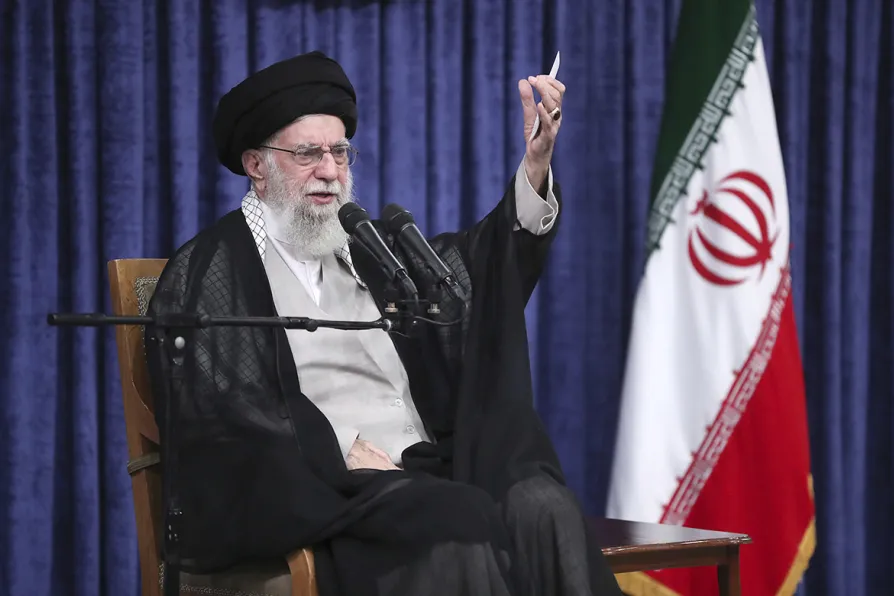
IN LATE June 2022, Ayatollah Ali Khamenei, the Supreme Leader of the theocratic dictatorship in Iran, threatened those involved with the mass protest movement currently taking over the country that if they continued along this path then a fate of the kind witnessed in the 1980s would await them.
He was referring to a dark era in Iran’s history, when the then-nascent Islamic Republic regime started a wave of killings of opposition activists — during which all political parties and activities, other than those loyal to the regime, were outlawed and bloodily purged leading to thousands of executions. This was an era during which any expression of dissent, however mild, was answered with executions (even summary), brutal torture, lengthy imprisonment, and forced disappearances.
The mere reference to this era is often enough to bring terror to the hearts and minds of most ordinary Iranians.

Similar stories
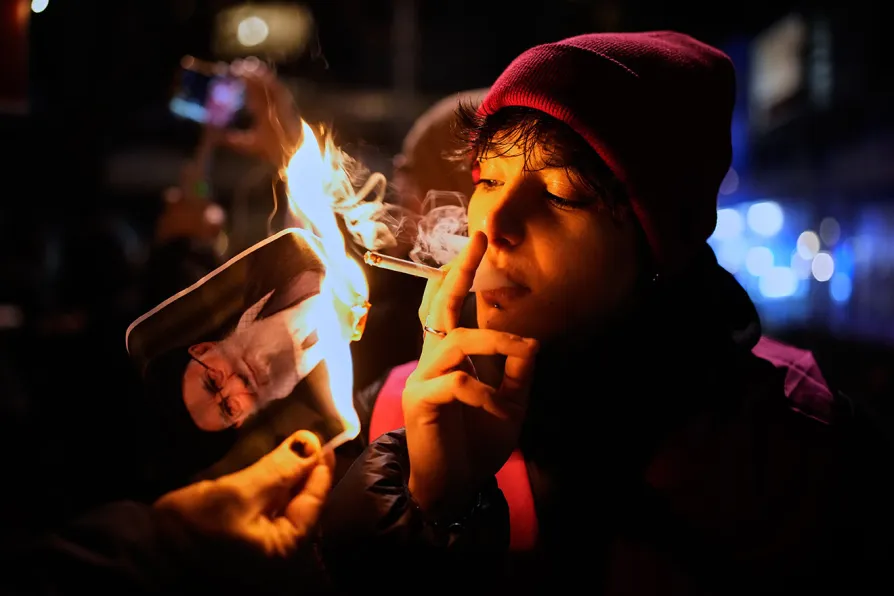
MOHAMMAD OMIDVAR, a senior figure in the Tudeh Party of Iran, tells the Morning Star that mass protests are rooted in poverty, corruption and neoliberal rule and warns against monarchist revival and US-engineered regime change
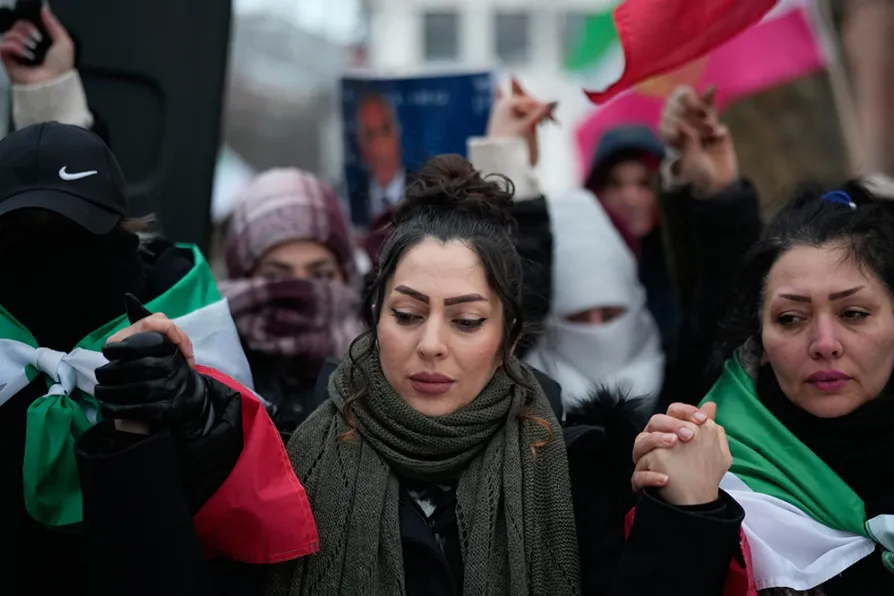
The Committee for the Defence of Iranian People’s Rights (Codir) welcomes demonstrations across Iran, which have put pressure upon the theocratic dictatorship, but warns against intervention by the United States to force Iran in a particular direction
Payam Solhtalab talks to GAWAIN LITTLE, general secretary of Codir, about the connection between the struggle for peace, against banking and economic sanctions, and the threat of a further military attack by the US/Israel axis on Iran
The Islamic Republic is attempting to deflect from its own failures with a scapegoating campaign against vulnerable and impoverished migrants, writes JAMSHID AHMADI