All the evidence shows voters want Labour to shift to the left — but initial signs from Andy Burnham are worrying on that front, cautions DIANE ABBOTT


 Latest editorial
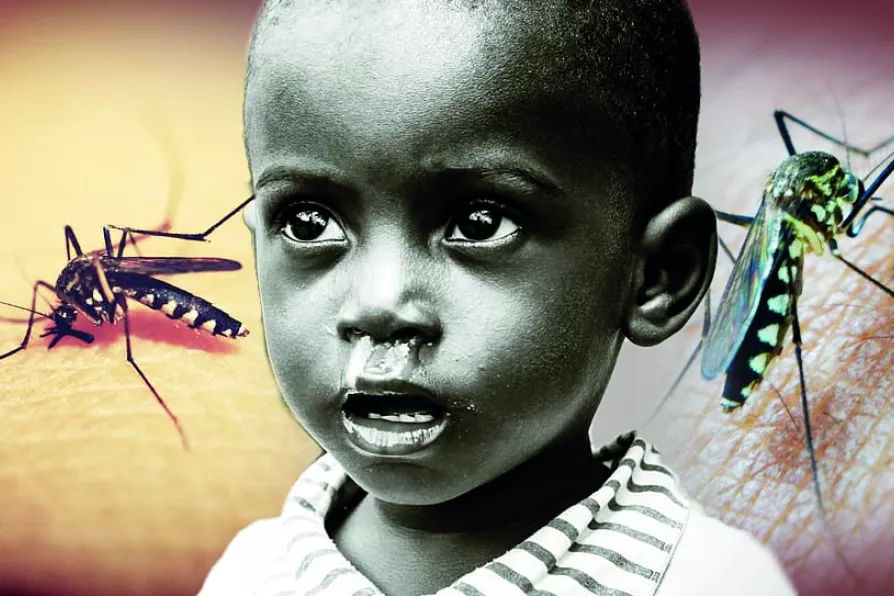
The most important vaccine of 2021 might be for malaria
Promising results from a new trial indicate we could finally be equipped with one of the tools needed to rid us of a disease that has plagued people since the dawn of humanity, write ROX MIDDLETON, LIAM SHAW and JOEL HELLEWELL

ANDY McDONALD MP says Labour must show it is capable of delivering real improvements in people’s lives — bold action is required
ANGUS REID and ANDREW JOHNSTONE report on an initiative that we must take this summer
ALLISON FEWTRELL on what Plaid Cymru's historic election victory means for the communities being failed by Wales’s housing crisis, and four things the new government can do right now
France Insoumise MP JEROME LEGAVRE speaks to Christophe Domec on building the Europe-wide peace movement that came together in the International Conference Against War last weekend
At last weekend’s International Conference Against War, LINDA PENTZ GUNTER talks to the Palestinian physician and politician about the struggles ahead to achieve a truly free Palestine





DISEASES come in many guises. Before late 2019, there had never been a single case of Covid-19 and SARS-CoV-2 was an unknown virus. Now, less than a year and a half later, there have been millions of cases. In contrast, a disease like malaria has been with humans ever since we emerged as a species.
An early species of Plasmodium, the parasite which causes malaria, was found in mosquitoes that had been preserved in amber for nearly 30 million years. Yet this is no guide to a disease’s impact. During 2020, more people on the continent of Africa died of malaria than Covid-19.
While it took less than a year to develop a vaccine for Covid-19, a vaccine for malaria has proven near-impossible. However, that may be about to change.

Similar stories

Coal-fired stoves in traditional homes are the primary source of extreme levels of air pollution in over-crowded Ulaanbaatar. As more people become climate-displaced, the situation is likely to worsen, write SCIENCE AND SOCIETY
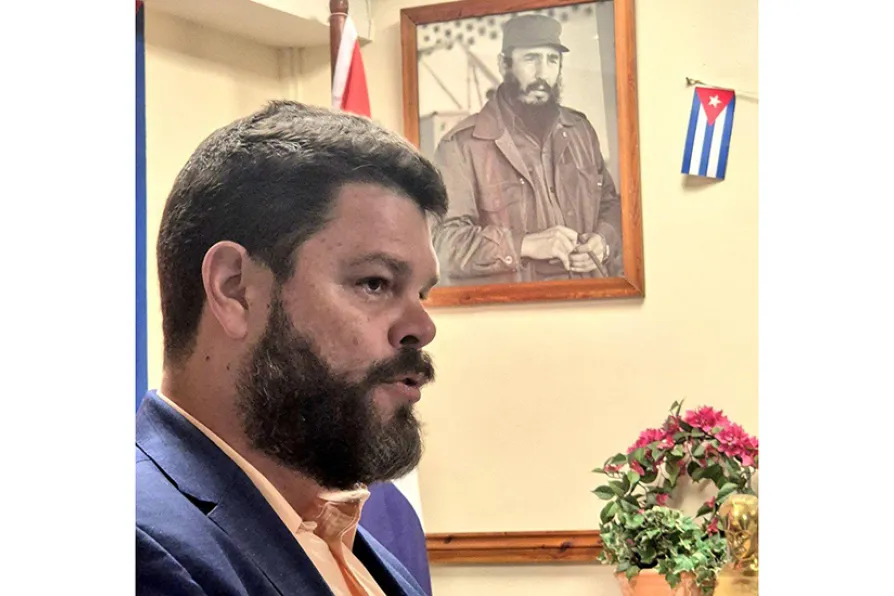
In the centenary year of Fidel Castro, Cuba faces ferocious aggression from the United States — but we will not kneel, vows FIDEL CASTRO SMIRNOV
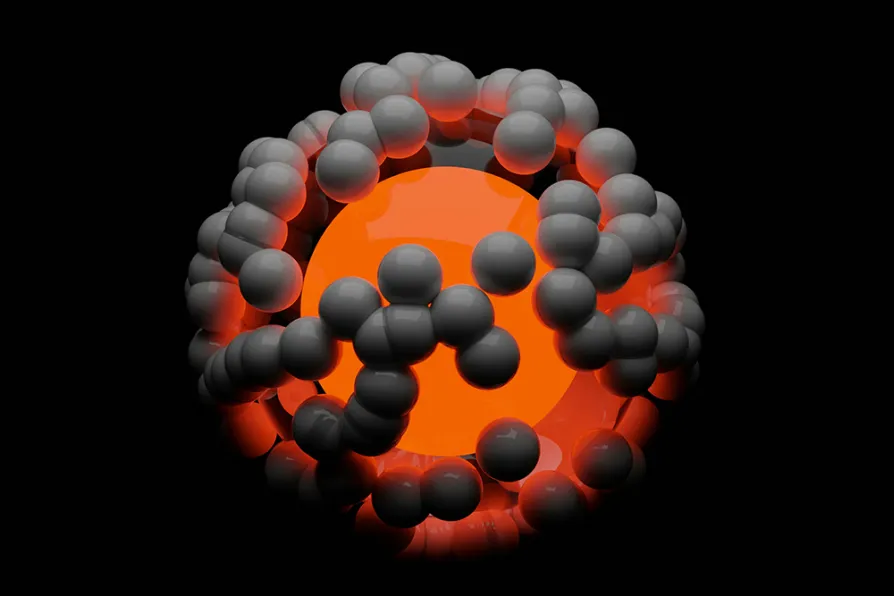
Neutrinos are so abundant that 400 trillion pass through your body every second. ROX MIDDLETON, LIAM SHAW and MIRIAM GAUNTLETT explain how scientists are seeking to know more about them
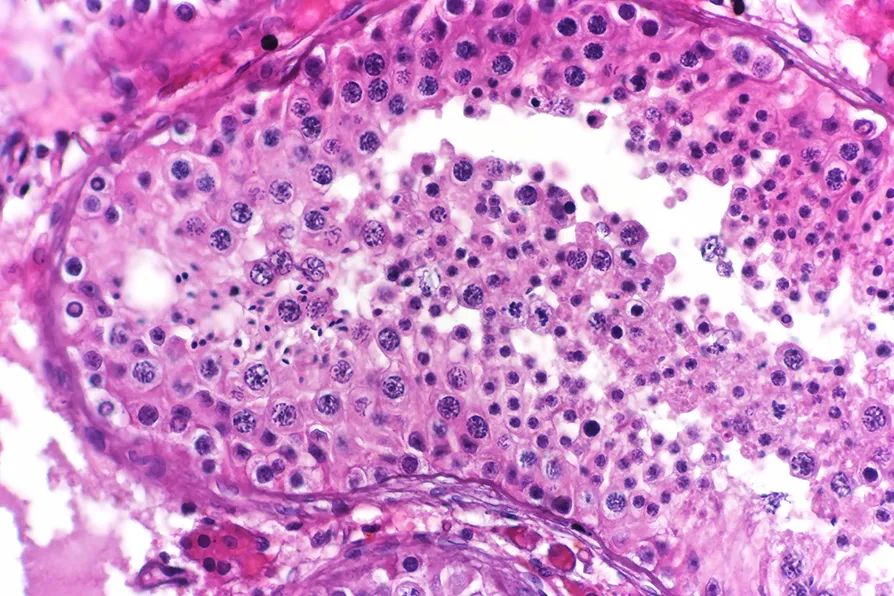
New research into mutations in sperm helps us better understand why they occur, while debunking a few myths in the process, write ROX MIDDLETON, LIAM SHAW and MIRIAM GAUNTLETT