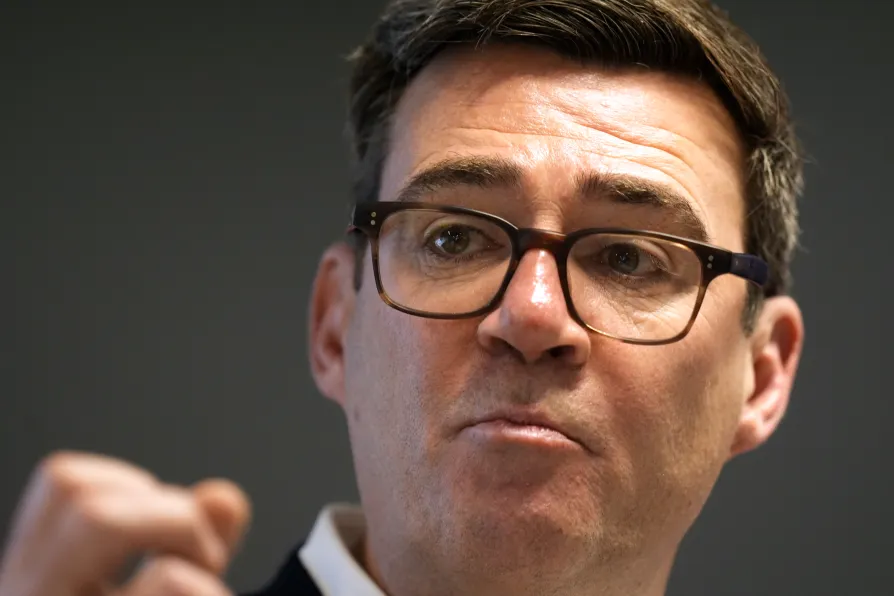
All the evidence shows voters want Labour to shift to the left — but initial signs from Andy Burnham are worrying on that front, cautions DIANE ABBOTT


 Latest editorial
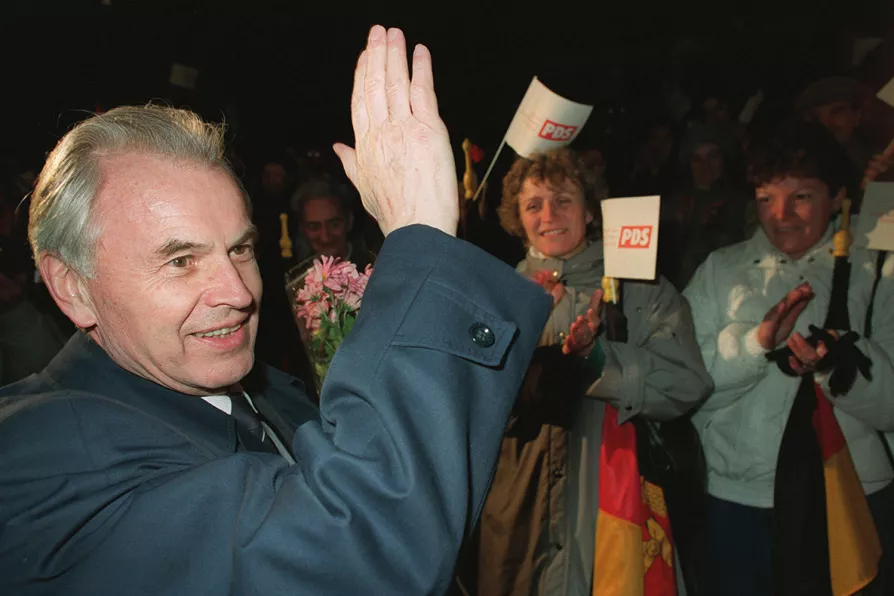
Hans Modrow, 1928-2023: Son of the German Democratic Republic
The man who oversaw the peaceful yet tragic end to state socialism in the east, then stayed to fight for the working class in the newly unified Germany, passed away on February 10, aged 95. KEITH BARLOW salutes his life and career
ANDY McDONALD MP says Labour must show it is capable of delivering real improvements in people’s lives — bold action is required
ANGUS REID and ANDREW JOHNSTONE report on an initiative that we must take this summer
ALLISON FEWTRELL on what Plaid Cymru's historic election victory means for the communities being failed by Wales’s housing crisis, and four things the new government can do right now
France Insoumise MP JEROME LEGAVRE speaks to Christophe Domec on building the Europe-wide peace movement that came together in the International Conference Against War last weekend
At last weekend’s International Conference Against War, LINDA PENTZ GUNTER talks to the Palestinian physician and politician about the struggles ahead to achieve a truly free Palestine




HIGHLY regarded by the many who knew and knew of him, it would be no exaggeration to say that Hans Modrow was the son of the German Democratic Republic, of which he was the last-but-one Prime Minister. Only five when the Nazis came to power, his generation was overshadowed by hatred, fascism and war. He trained as a machinist. Towards the end of the war, he was conscripted into the Volkssturm (a mass militia set up by Hitler in 1944).
He was taken prisoner of war by the Red Army and went to the Soviet Union. There he attended an anti-fascist school. In 1949 he returned to the east of Germany, the part which then became the German Democratic Republic (GDR). He worked again as a machinist and joined the GDR’s Free German Youth organisation.
He soon joined the Socialist Unity Party of Germany (SED) – founded in 1946 through a unification of the Communist Party of Germany (KPD) and the Social Democratic Party (SPD) on the territory of the future GDR.
Similar stories
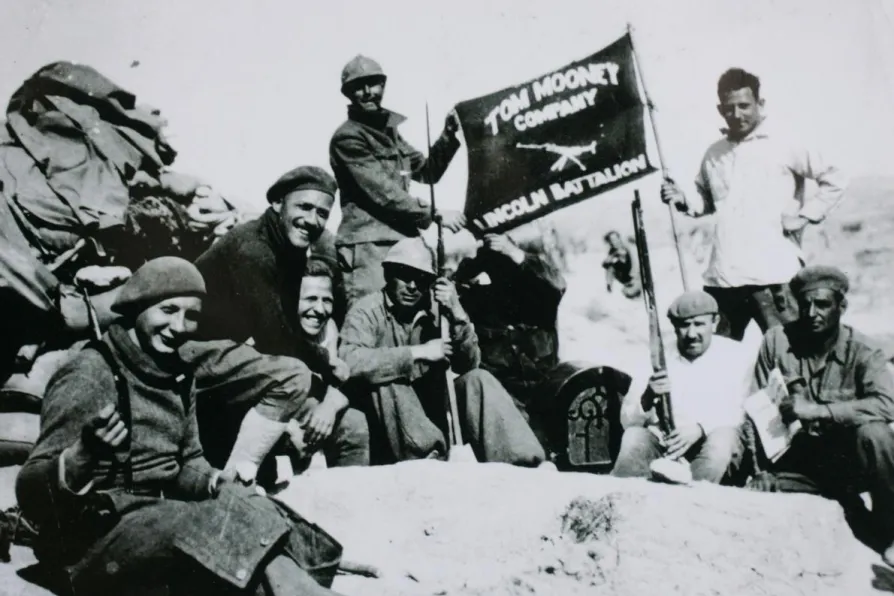
CJ ATKINS commemorates one of the most dramatic moments in working-class history
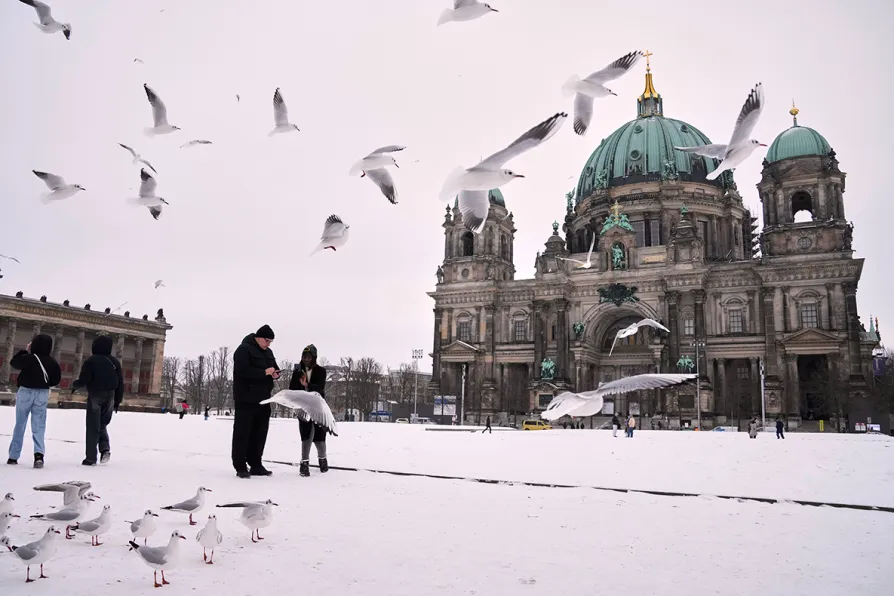
NICK WRIGHT returns to Berlin and finds a city in darkness and political turmoil
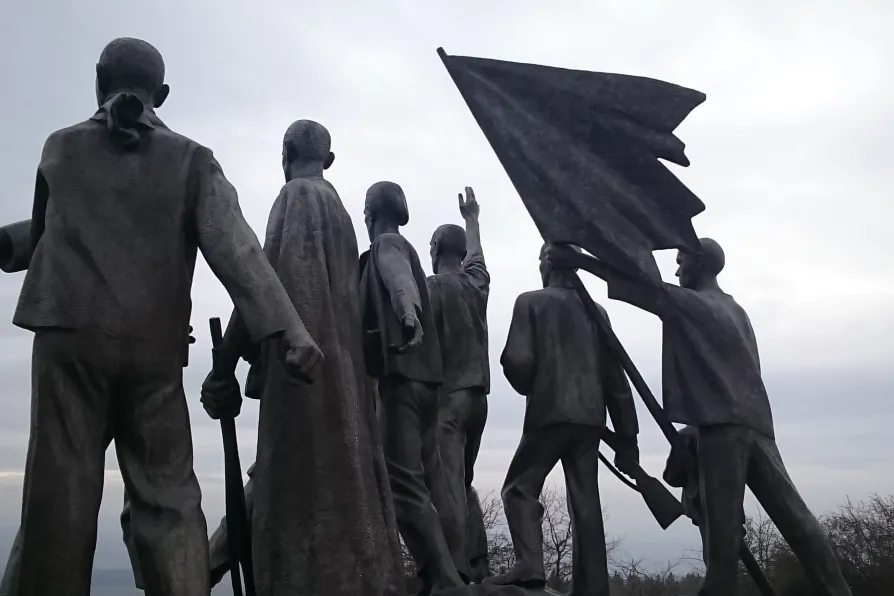
The decision highlights the tension between freedom of expression and the state’s role in shaping historical memory at former concentration camps, reports LEON WYSTRYCHOWSKI
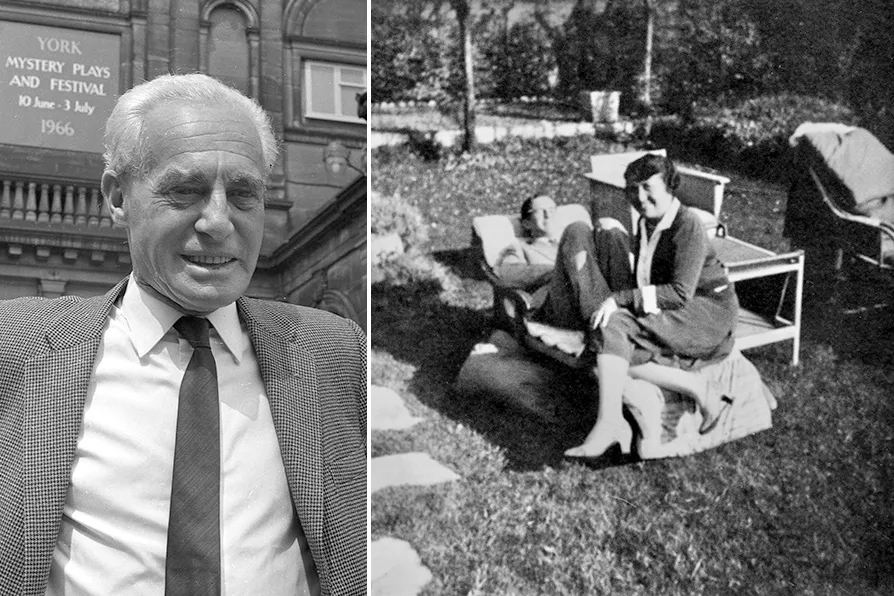
The creative imagination is a weapon against barbarism, writes KENNY COYLE, who is a keynote speaker at the Manifesto Press conference, Art in the Age of Degenerative Capitalism, tomorrow at the Marx Memorial Library & Workers School in London