All the evidence shows voters want Labour to shift to the left — but initial signs from Andy Burnham are worrying on that front, cautions DIANE ABBOTT


 Latest editorial
Remembering John Ball and the 1381 English Uprising
The peasants’ leader has inspired centures of reformers and revolutionaries since his execution in the Middle Ages following the failed revolt with his vision of an England freed from the Church and aristocracy, writes JAMES CROSSLEY
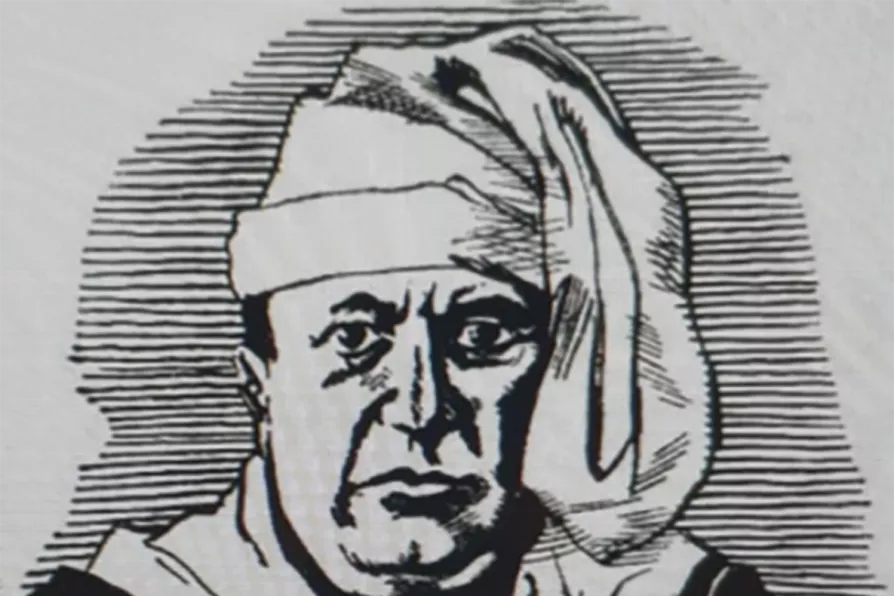 HERO THROUGH HISTORY: John Ball depicted in an illustration in the Daily Worker, 1938

ANDY McDONALD MP says Labour must show it is capable of delivering real improvements in people’s lives — bold action is required
ANGUS REID and ANDREW JOHNSTONE report on an initiative that we must take this summer
ALLISON FEWTRELL on what Plaid Cymru's historic election victory means for the communities being failed by Wales’s housing crisis, and four things the new government can do right now
France Insoumise MP JEROME LEGAVRE speaks to Christophe Domec on building the Europe-wide peace movement that came together in the International Conference Against War last weekend
At last weekend’s International Conference Against War, LINDA PENTZ GUNTER talks to the Palestinian physician and politician about the struggles ahead to achieve a truly free Palestine





THIS summer marks the 640th anniversary of the 1381 English uprising, often known as the Peasants’ Revolt.
The uprisings in the south-east have become the most famous. On their arrival in London, the (largely) disciplined rebels selected political, legal and ecclesiastical targets associated with the ruling class.
Remarkably, rebels managed to get into the Tower of London and decapitate some of the most powerful people in England, including the Archbishop of Canterbury (and Chancellor of England), Simon Sudbury.

Similar stories
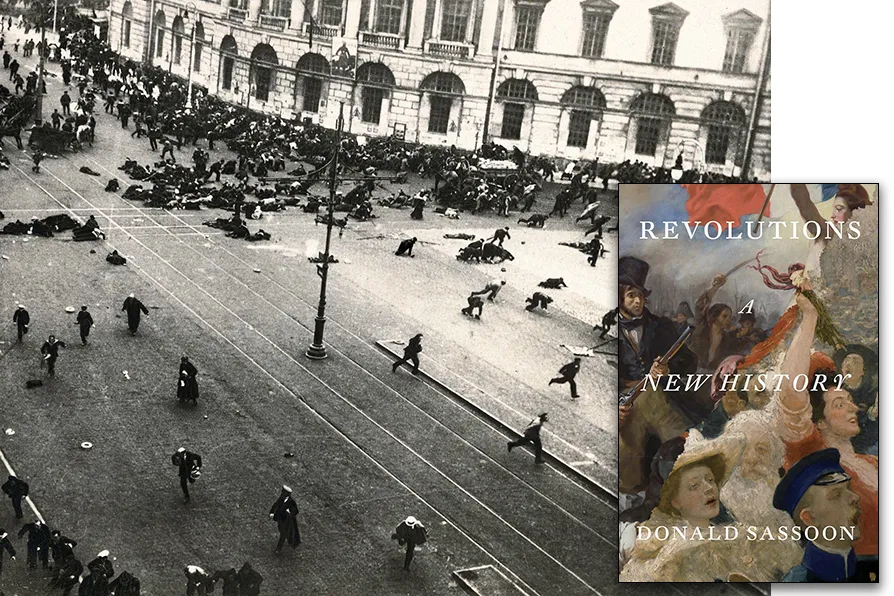
HENRY BELL follows the lineage of revolutions, from the English to the Chinese, and asks where revolutionary politics exists today
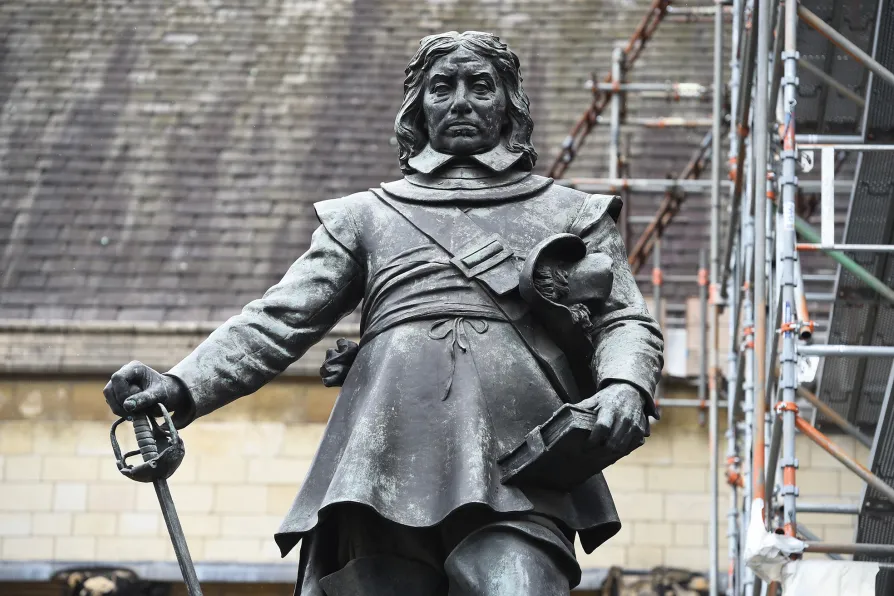
The selection, analysis and interpretation of historical ‘facts’ always takes place within a paradigm, a model of how the world works. That’s why history is always a battleground, declares the Marx Memorial Library
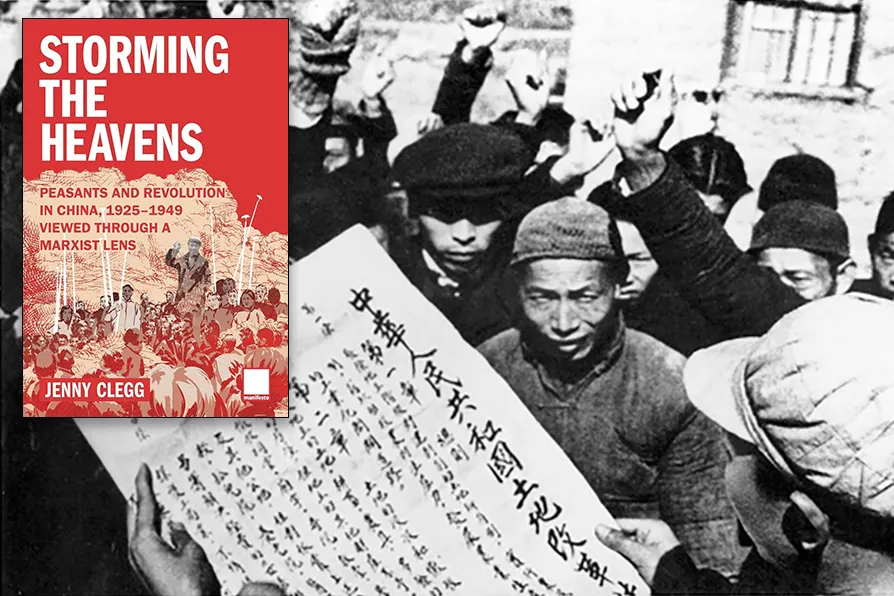
BEN CHACKO welcomes a masterful analysis that puts class struggle back at the heart of our understanding of China’s revolution

NICK MATTHEWS recalls how the ideals of socialism and the holding of goods in common have an older provenance than you might think