All the evidence shows voters want Labour to shift to the left — but initial signs from Andy Burnham are worrying on that front, cautions DIANE ABBOTT


 Latest editorial
Measles vaccination programmes need a shot in the arm
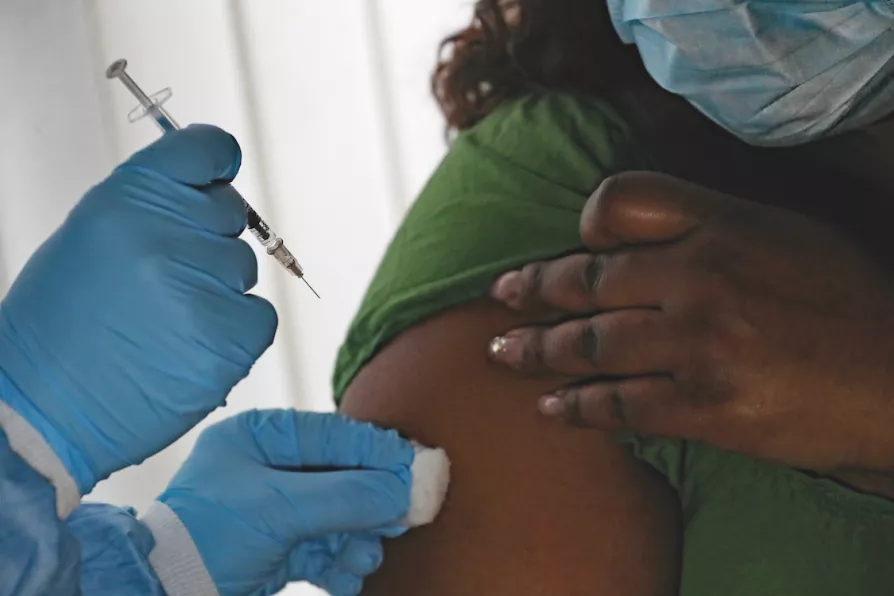
The increased risk of a measles outbreak in London highlights the need for more access to vaccination — not just in this country but worldwide, write ROX MIDDLETON, LIAM SHAW and JOEL HELLEWELL

ANDY McDONALD MP says Labour must show it is capable of delivering real improvements in people’s lives — bold action is required
ANGUS REID and ANDREW JOHNSTONE report on an initiative that we must take this summer
ALLISON FEWTRELL on what Plaid Cymru's historic election victory means for the communities being failed by Wales’s housing crisis, and four things the new government can do right now
France Insoumise MP JEROME LEGAVRE speaks to Christophe Domec on building the Europe-wide peace movement that came together in the International Conference Against War last weekend
At last weekend’s International Conference Against War, LINDA PENTZ GUNTER talks to the Palestinian physician and politician about the struggles ahead to achieve a truly free Palestine





IN the 19th century, London used to be a haven for measles, with millions catching the disease. Karl Marx and his family were among them: in May 1854 they all got measles, the three Marx children aged between six and nine probably having picked it up at school.
Today, rates of measles in London are vanishingly low compared to the 1850s. However, last week on July 14 a report from the UK Health Security Agency (UKHSA) stated that London is at risk of a large measles outbreak in the near future.
Models predict that measles could spread in a London outbreak of 40-160,000 people, potentially causing dozens of deaths and the hospitalisation of thousands.

Similar stories

Coal-fired stoves in traditional homes are the primary source of extreme levels of air pollution in over-crowded Ulaanbaatar. As more people become climate-displaced, the situation is likely to worsen, write SCIENCE AND SOCIETY
JOHN GREEN asks how can we take decisive action on population levels with a world leader who is a destructive ignoramus
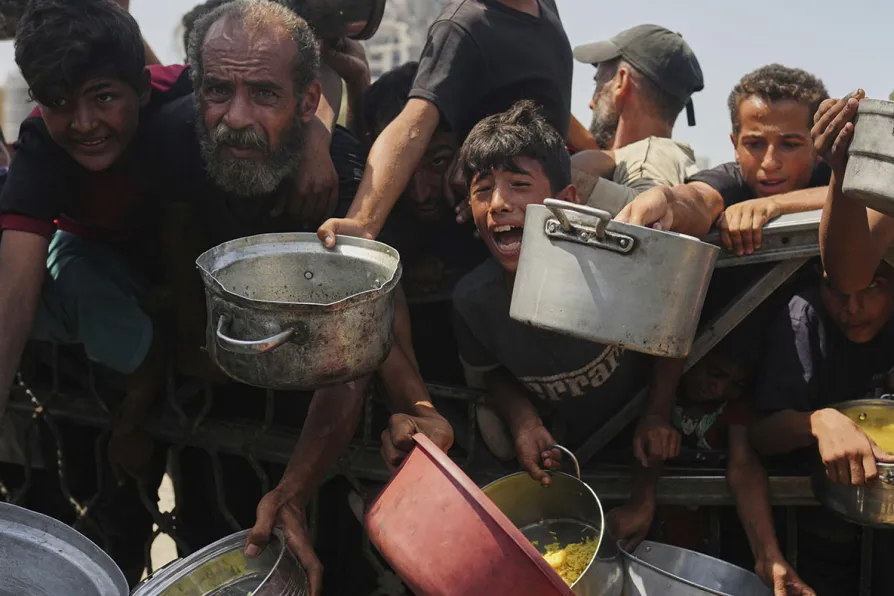
For those in the West, hunger is often just the familiar feeling of a growling stomach between meals — in Gaza, it has become a strategic weapon of slow, systematic and deadly destruction, writes MARC VANDEPITTE