ROGER D HARRIS and SARA FLOUNDERS challenge propaganda against the blockaded socialist island


 Latest editorial

Is Marxism scientific – and what is scientific socialism?



Marx and Engels incorporated in their writings a critique of the way that capitalism destroys the environment but it is only in the last half century that environmental concerns have become an integral part of the fight for socialism, writes the Marx Memorial Library and Workers’ School
The racist Republican tactic of redistricting to keep Trump and his base in power is turning the clock back to the 1950s, writes LINDA PENTZ GUNTER
With a political crisis engulfing the Labour Party, the case for PR is back on the agenda. TONY BURKE argues trade unions must now engage on changes to our voting system
YVETTE WILLIAMS and JOE DELANEY dissect the institutional dawdling that rubbed salt into the Grenfell open wounds prolonging the agony of survivors
The HS2 debacle exposes what happens when public infrastructure is handed to private contractors – especially when set against China’s state-led high-speed rail success, says CARLOS MARTINEZ





MARXISM is often claimed to be a science. And socialism – the goal and the struggle to achieve it – based on Marxism is sometimes claimed to be “scientific socialism.”
In response many socialists – including Marxists – are uneasy about the term “scientific,” either because it equates the status of both the theory and practice of socialism to that of the natural sciences – physics, chemistry, earth science and biology – or, conversely, because it likens Marxism to other “social sciences” including economics, geography, history, sociology, psychology and so on.
As other answers in this series have argued, Marxism is not just an alternative to conventional (or “bourgeois”) economics; it firmly locates all social sciences within a historical framework and provides a way of understanding the whole of society – including artistic and cultural endeavour.

Similar stories
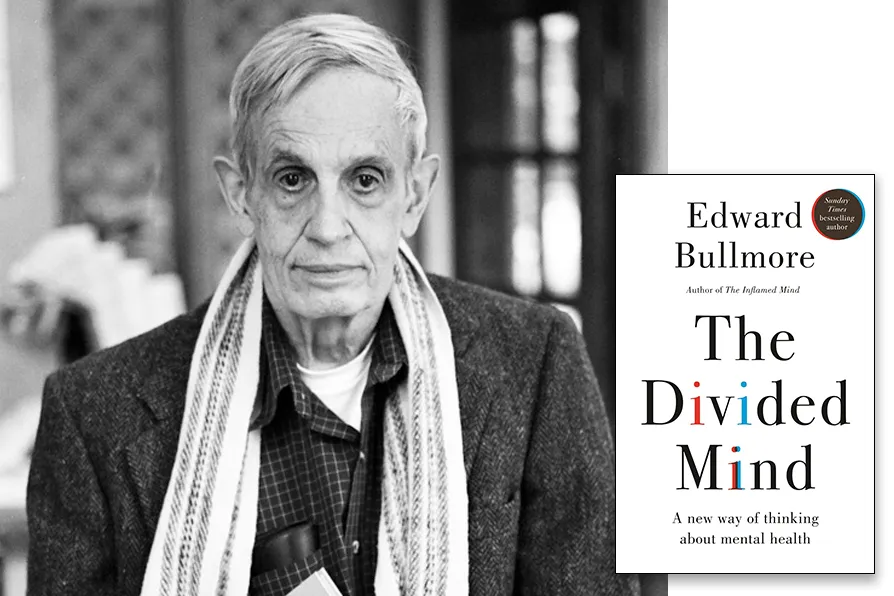
RICHARD SHILLCOCK examines an enjoyable, but philosophically conventional book, and urges Marxists to employ their capacity to embrace the totality in any explanation
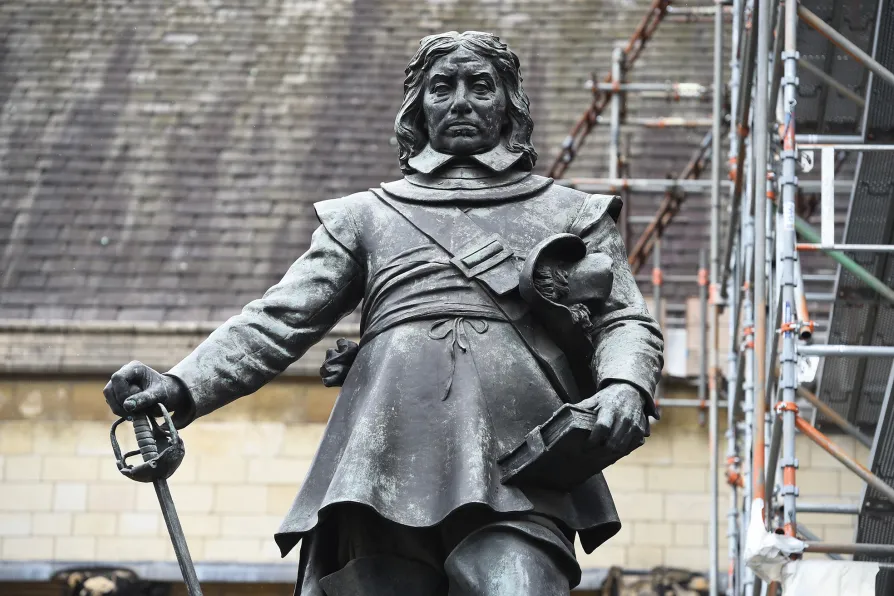
The selection, analysis and interpretation of historical ‘facts’ always takes place within a paradigm, a model of how the world works. That’s why history is always a battleground, declares the Marx Memorial Library

The summer saw the co-founders of modern communism travelling from Ramsgate to Neuenahr to Scotland in search of good weather, good health and good newspapers in the reading rooms, writes KEITH FLETT
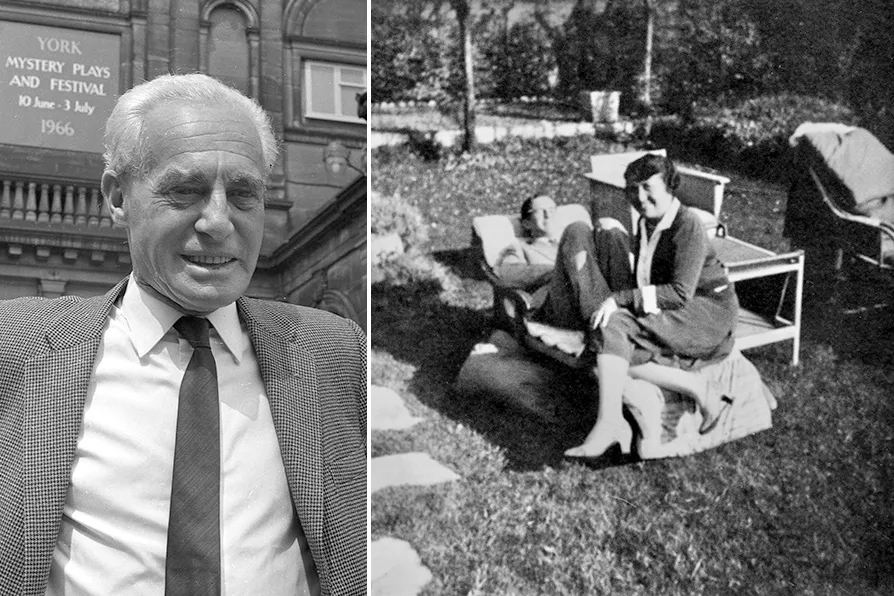
The creative imagination is a weapon against barbarism, writes KENNY COYLE, who is a keynote speaker at the Manifesto Press conference, Art in the Age of Degenerative Capitalism, tomorrow at the Marx Memorial Library & Workers School in London