All the evidence shows voters want Labour to shift to the left — but initial signs from Andy Burnham are worrying on that front, cautions DIANE ABBOTT


 Latest editorial
Is Liz Truss heading for the 1870s?
The vague threats to restrict our trade union rights even further may well break agreements made when Queen Victoria was on the throne, writes KEITH FLETT
 Liz Truss at an event in Leeds as part of her campaign to be leader of the Conservative Party and the next prime minister

ANDY McDONALD MP says Labour must show it is capable of delivering real improvements in people’s lives — bold action is required
ANGUS REID and ANDREW JOHNSTONE report on an initiative that we must take this summer
ALLISON FEWTRELL on what Plaid Cymru's historic election victory means for the communities being failed by Wales’s housing crisis, and four things the new government can do right now
France Insoumise MP JEROME LEGAVRE speaks to Christophe Domec on building the Europe-wide peace movement that came together in the International Conference Against War last weekend
At last weekend’s International Conference Against War, LINDA PENTZ GUNTER talks to the Palestinian physician and politician about the struggles ahead to achieve a truly free Palestine





ONE of the two contenders for the Tory leadership has threatened to further restrict the activities of trade unions, an enduring obsession of the Thatcherite right.
The detail is inevitably lacking, but Liz Truss wants “minimum service levels” where public-sector workers have balloted for a legal strike. The implications of this are deeply concerning — even if probably not fully thought through by Truss’s team.
RMT leader Mick Lynch, writing in the Daily Mirror, argued that Truss wants to go back to 1871, the date of the Act that legalised trade unions. TUC general secretary Frances O’Grady has warned of a fundamental attack on the right to organise and an assault on democracy as understood across Europe.

Similar stories

Labour movement history in Britain shows workers secured reforms through collective pressure and political representation, rather than being gifted from above, writes KEITH FLETT
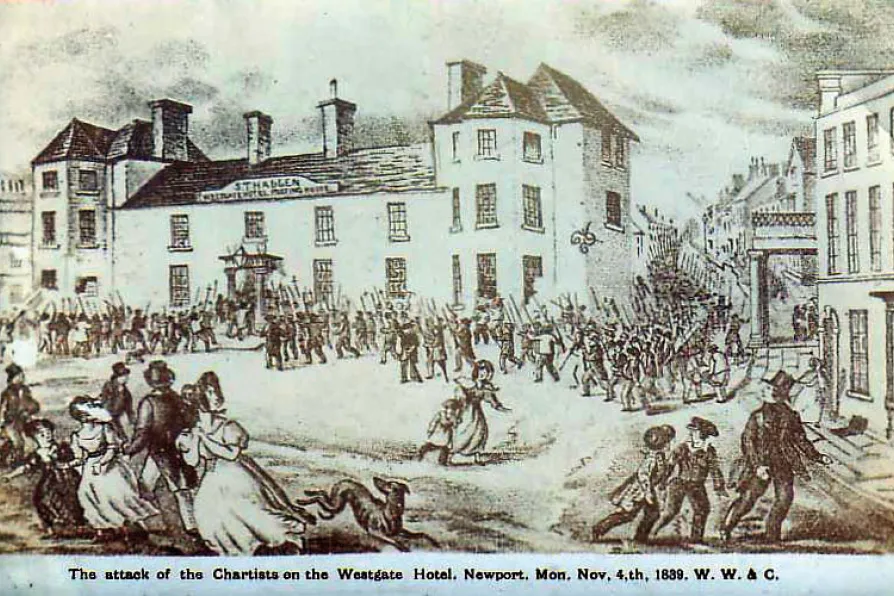
It’s not just the Starmer regime: the workers of Britain have always faced legal affronts on their right to assemble and dissent, and the Labour Party especially has meddled with our freedoms from its earliest days, writes KEITH FLETT

As the labour movement meets to remember the Tolpuddle Martyrs, MICK WHELAN, general secretary of train drivers’ union Aslef, says it’s an appropriate moment to remind the Labour government to listen to the trade unions a little more

The government cracking down on something it can’t comprehend and doesn’t want to engage with is a repeating pattern of history, says KEITH FLETT