All the evidence shows voters want Labour to shift to the left — but initial signs from Andy Burnham are worrying on that front, cautions DIANE ABBOTT


 Latest editorial
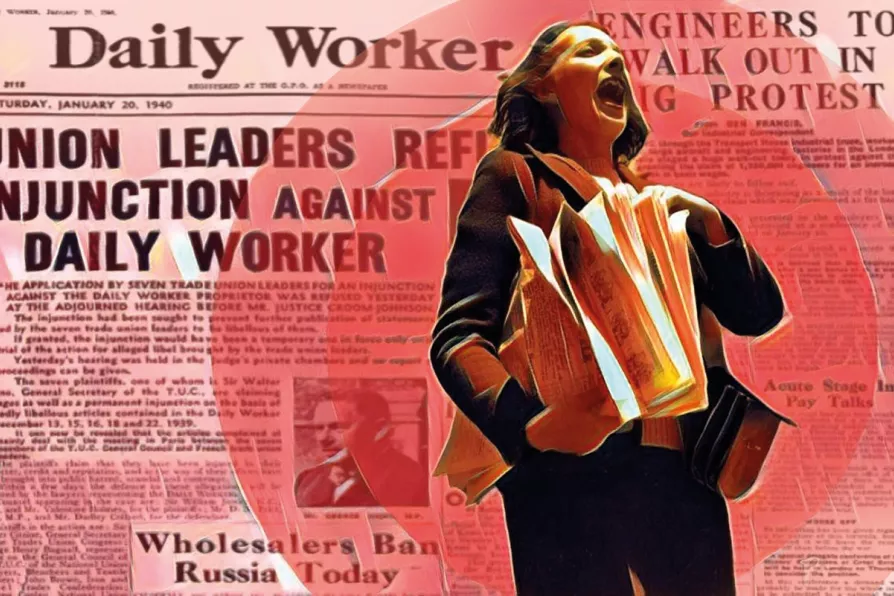
Lifting the ban on the Daily Worker
In the middle of WWII, the forerunner to the Morning Star was banned by the state for calling for colonial freedom, campaigning against profiteering, for union rights and for a better life for the workers amid the Blitz, explains JOHN ELLISON

ANDY McDONALD MP says Labour must show it is capable of delivering real improvements in people’s lives — bold action is required
ANGUS REID and ANDREW JOHNSTONE report on an initiative that we must take this summer
ALLISON FEWTRELL on what Plaid Cymru's historic election victory means for the communities being failed by Wales’s housing crisis, and four things the new government can do right now
France Insoumise MP JEROME LEGAVRE speaks to Christophe Domec on building the Europe-wide peace movement that came together in the International Conference Against War last weekend
At last weekend’s International Conference Against War, LINDA PENTZ GUNTER talks to the Palestinian physician and politician about the struggles ahead to achieve a truly free Palestine





THE Daily Worker, in being and in action since 1930, became the Morning Star 1966. Under whichever name, the paper was and is the only daily in Britain focused on exposing the mechanics of capitalism and challenging its management on behalf of working people.
But in January 1941 the Daily Worker was suppressed by the Winston Churchill government and did not reappear until September 7 1942, 80 years ago today. Popular pressure compelled the government to lift the ban.
Herbert Morrison, then the home secretary for Labour, took the lead in imposing the ban. His memorandum to the Cabinet on December 23 1940 claimed that the paper had “striven to create in the reader a state of mind in which he will be unlikely to be keen to assist the war effort.”

Similar stories
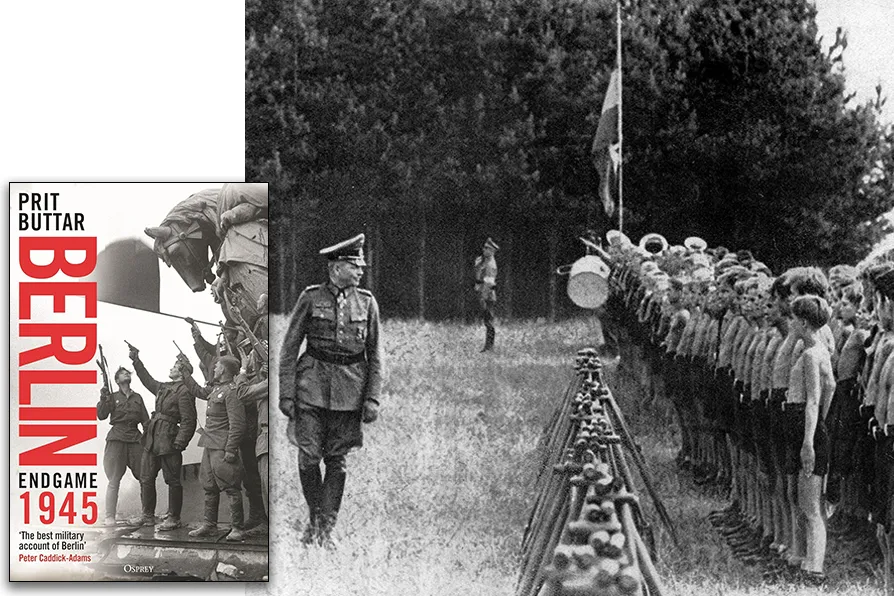
WILL PODMORE admires an account of the liberation of Berlin that overthrows the conventional US army-inspired account
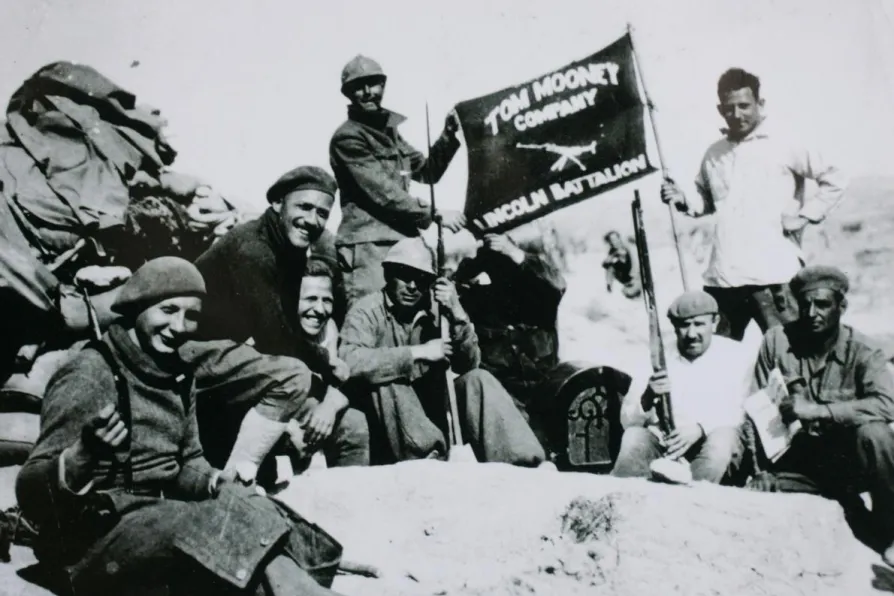
CJ ATKINS commemorates one of the most dramatic moments in working-class history

In a speech to the 12th Xiangshan Forum in Beijing, SEVIM DAGDELEN warns of a growing historical revisionism to whitewash Germany and Japan’s role in WWII as part of a return to a cold war strategy from the West — but multipolarity will win out
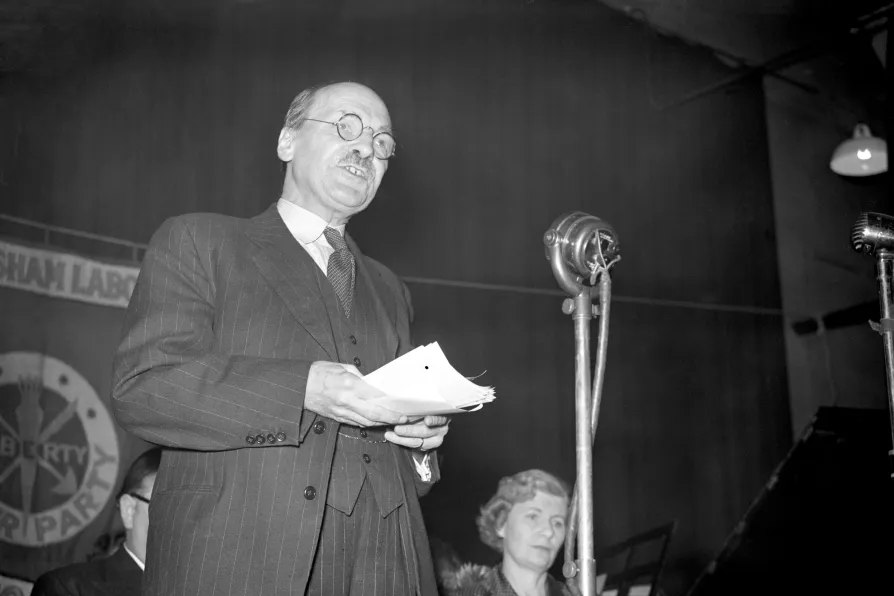
The summer of 1950 saw Labour abandon further nationalisation while escalating Korean War spending from £2.3m to £4.7m, as the government meekly accepted capitalism’s licence and became Washington’s yes-man, writes JOHN ELLISON